
How to Choose a Budget Carbon Wheelset Without Regret
Upgrading to carbon wheels can transform your riding experience—faster acceleration, smoother rolling, and a sleeker look. But with so many affordable options online, it’s easy to make a hasty choice that leads to disappointment. If you’re shopping on a budget, here’s how to find a carbon wheelset that delivers real performance without regret.
1. Understand Your Riding Needs
Before browsing deals, ask yourself what kind of riding you do most often.
Climbers should look for lightweight carbon rims (35–45mm depth) with a focus on stiffness and low weight.
Aero-focused riders benefit from deeper rims (50–60mm), which provide aerodynamic advantages at higher speeds.
All-rounders or commuters might prefer mid-depth wheels that balance comfort, control, and versatility.
Knowing your goals helps you avoid buying wheels that don’t suit your terrain or riding style.
2. Check the Carbon Quality
Not all carbon rims are created equal. Budget doesn’t have to mean cheap quality—but it often does if you’re not careful.
Look for wheels made from Toray T700 or higher carbon fiber, which provides a good balance of strength, stiffness, and weight. Brands that openly specify their carbon source usually take manufacturing quality more seriously.
3. Inspect the Hub System
A wheel’s hub is its heartbeat. Even the best rim won’t perform if the hub is slow or unreliable.
Choose wheelsets that use sealed bearings for smoother rolling and longer life. Some affordable options even include ceramic hybrid bearings or quick-engagement freehubs, improving responsiveness and efficiency during climbs or sprints.
4. Consider Braking Type and Heat Resistance
If you’re riding rim brakes, pay special attention to brake track technology.
Budget carbon wheels with poor heat resistance can deform or delaminate during long descents. Look for models with high-temperature resin or basalt brake surfaces—both significantly improve braking safety and consistency.
For disc brakes, make sure the rotor mounts are reinforced and properly aligned to avoid future vibration issues.
5. Wheelset Weight and Balance
Weight affects acceleration and climbing efficiency, but lighter isn’t always better if it sacrifices strength. A good budget carbon wheelset for road use should weigh around 1,450–1,650 grams. Anything much lighter in this price range often means corners were cut in durability.
Also, ensure the wheelset is tension-balanced—a well-built wheel should feel solid, with no uneven spoke tension when you spin it.
6. Warranty and Brand Transparency
A trustworthy manufacturer should provide a minimum one-year warranty and clearly list test standards such as impact testing, spoke tension limits, and maximum rider weight.
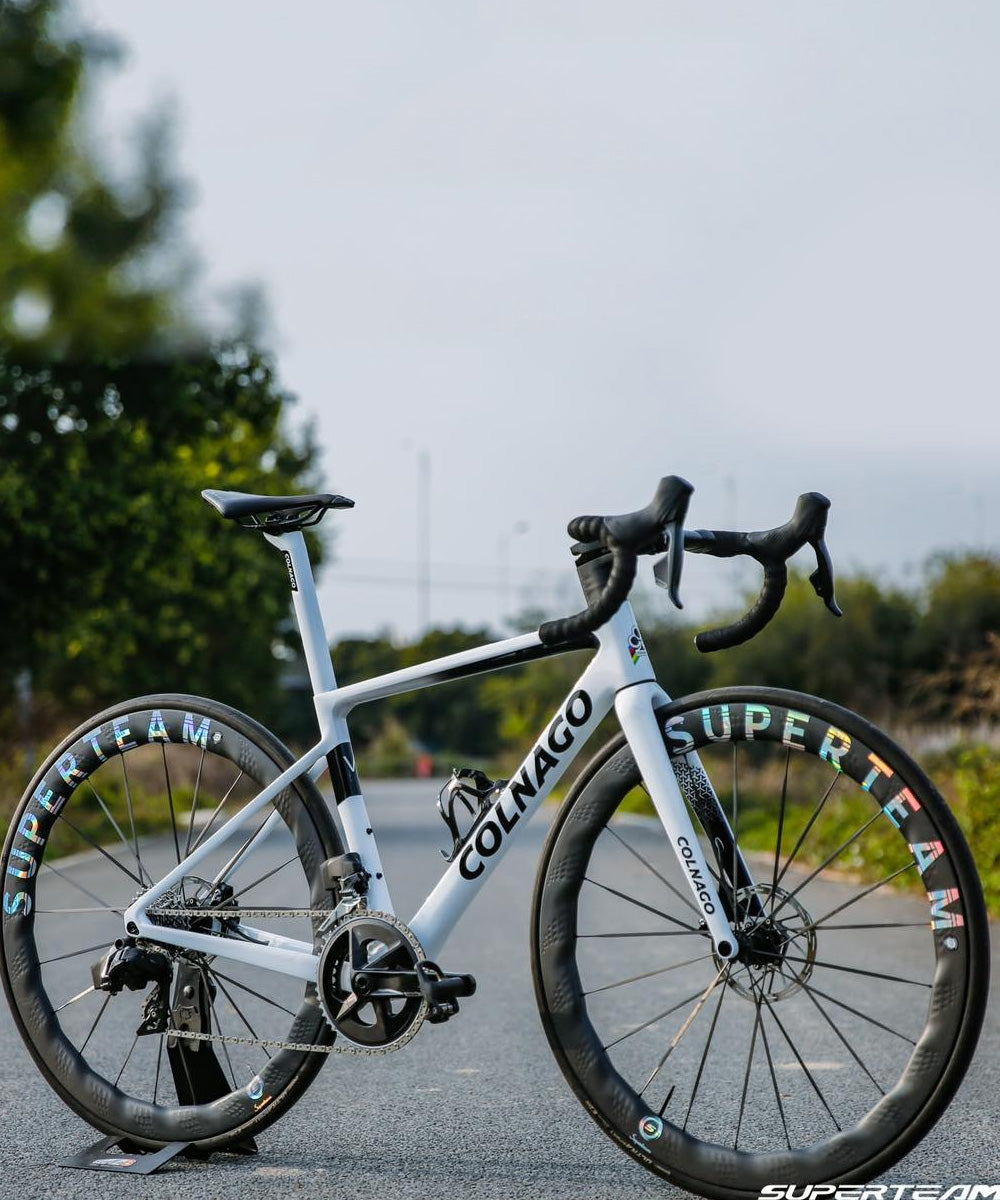
Brands like Superteam, for example, provide detailed QC information and test reports, giving riders confidence that their wheels meet performance expectations.
7. Avoid Unrealistic Deals
If a full carbon wheelset costs less than half of what reputable brands charge, it’s worth questioning why. Some ultra-cheap wheels use recycled carbon, low-grade epoxy, or untested hubs. These may work short-term but can fail under pressure.
Always read reviews, watch real rider feedback, and avoid sellers that don’t disclose full specs or test results.
Final Thoughts
Buying a budget carbon wheelset doesn’t have to be a gamble. By focusing on material quality, hub reliability, heat resistance, and proper testing, you can find a wheelset that performs like a premium option at a fraction of the price.
A well-chosen set of affordable carbon wheels—especially from reputable manufacturers—can give you years of fast, stable, and confidence-inspiring rides without a hint of regret.