


How Social Media Is Shaping Cycling Gear Trends
Cycling gear used to evolve slowly — a new wheelset here, a revised jersey there — with trends spreading through magazines, mail-order catalogs, and word of mouth among local riders. Today, social media accelerates every shift, amplifies every new idea, and shapes what riders want just as much as what they need. The result is a gear culture that feels fast—and sometimes frantic.
Here’s how social media is redefining cycling gear trends in 2025.
Visual Platforms Drive Gear Aspirations
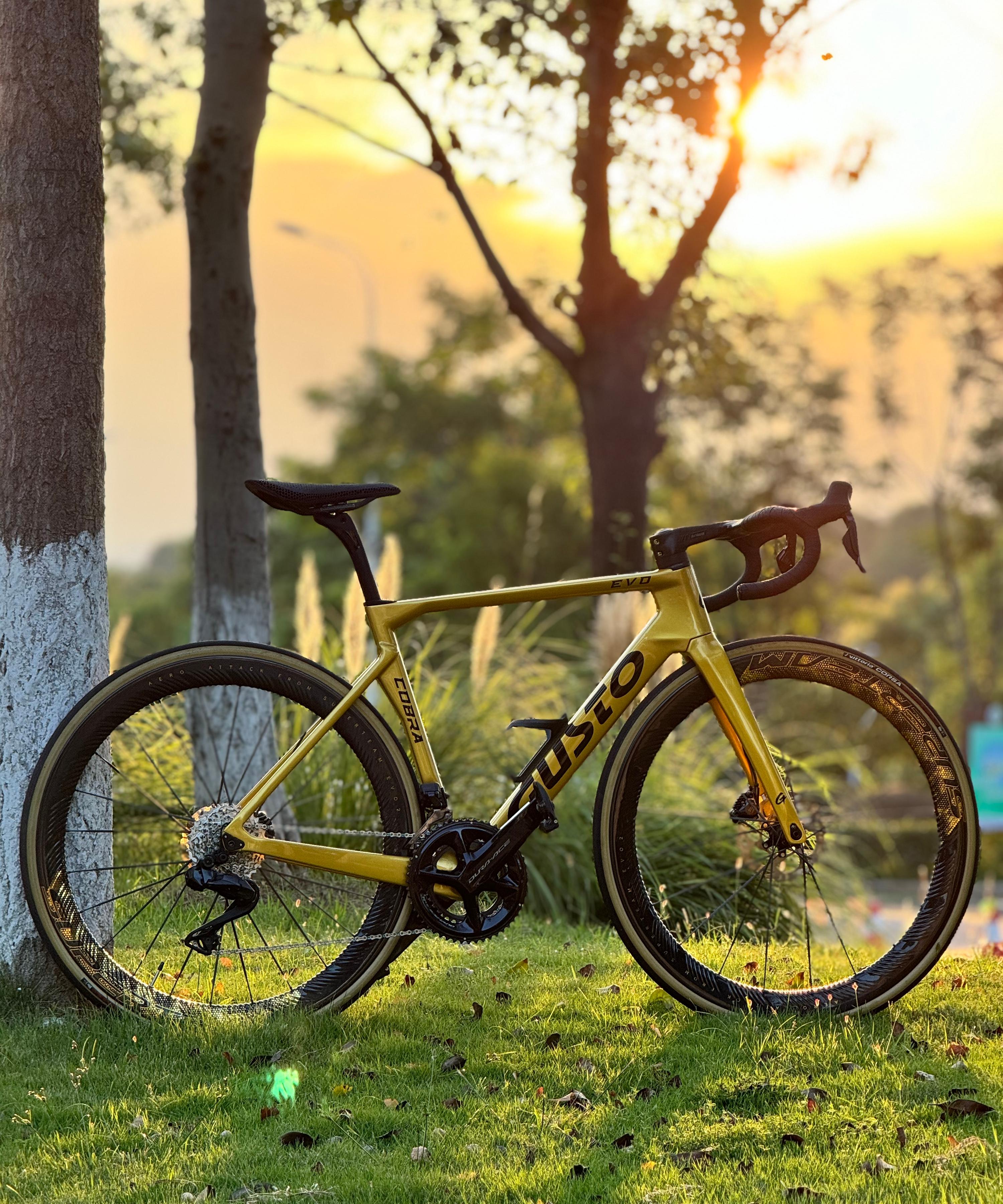
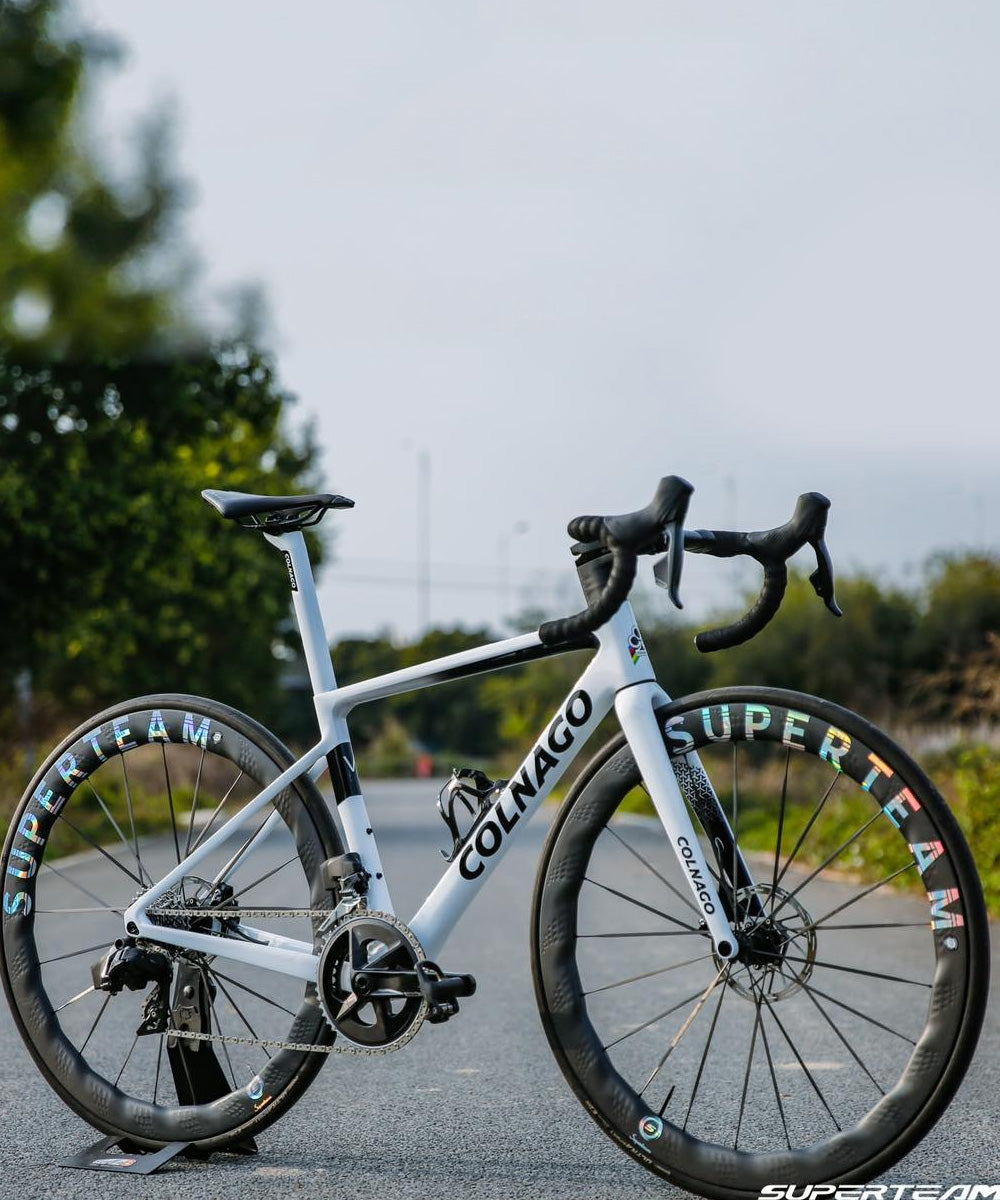
Instagram, TikTok, and YouTube aren’t just platforms — they’re launch pads for gear desirability. Riders scroll through feeds filled with pristine photos of sleek bikes, glowing anodized parts, and stylish kits, often before they know what those things do. A beautiful setup, perfectly shot in golden light, becomes an aspirational ideal in minutes rather than months.
This visual emphasis elevates aesthetics alongside—or sometimes above—performance. Gear that photographs well often gains popularity faster than gear that tests well in reality.
“Reels” and Short Videos Speed Trend Cycles
The attention economy favors short, snackable content. Thirty-second reviews, quick comparison clips, and dramatic before-and-after gear reveals get more views (and thus more influence) than long written tests. This encourages brands and creators to highlight bold, easy-to-film upgrades: colorful wheels, dramatic aero kits, eye-catching accessories.
The downside is that nuance — like trade-offs in comfort vs. efficiency or long-term durability — often gets flattened into a 15-second punchline.
Influencers Shape Perception More Than Specs
Trusted voices on social media now rival traditional media in influence. Riders follow coaches, pro cyclists, and content creators whose opinions feel personal and relatable. A recommendation from a favorite creator — especially if it’s aspirational or lifestyle-oriented — can move product demand quickly.
Brands increasingly partner with influencers early, not just for product launches but for trend discovery itself.
FOMO and “Seen-It-First” Culture
The fear of missing out is real in cycling gear. Limited releases, collabs, and “first look” unboxings create urgency. When creators get early access to products and post about them, followers feel compelled to pay attention — and often to buy.
This accelerates hype cycles and shortens product lifespans in public conversation, whether or not those products truly outperform alternatives.
User-Generated Content Shapes Reality
Social media isn’t just broadcasting polished campaigns — it’s full of everyday riders sharing real-world experiences. A local rider’s video about tubeless setups on rough roads, or a mid-winter demonstration of glove performance, can reach thousands of riders who trust that context more than lab numbers.
This grounds trends in experience rather than marketing hype, but it also favors simple stories over complex truths.
Niche Communities Amplify Specialty Gear
Online forums, subreddits, and platform communities focused on bikepacking, gravel racing, commuting, or vintage bikes elevate gear that might otherwise remain obscure. A product that fits a niche — like frame bags or bombproof tires — can go viral within its community and then influence broader trends.
Social media gives voice to diversity in cycling, not just mainstream racing culture.
Comparisons and “Versus” Content Drive Decisions
Short video formats thrive on side-by-side comparisons. Which tire is grippier? Which frame feels stiffer? These quick duels help riders make decisions faster, but they also oversimplify complex performance factors. A gear choice rarely has a singular winner; context always matters.
Creators who acknowledge nuance tend to retain trust longer than those who promise absolute answers.
Real Time Reactions Shape Brand Strategy
Brands don’t wait for annual review cycles anymore. They monitor social conversation daily. If a new broad-tread tire gets buzz for winter riding, companies may shift production priorities or highlight that category in upcoming releases.
The market moves faster when consumers are talking every day.
Social Proof and Social Ride Culture
Cycling trends are social, not just online, but offline. Riders who see peers with certain gear at group rides often ask, “What’s that?” Social platforms make these questions visible across regions. A cool setup at a Friday morning group ride becomes inspiration for riders thousands of kilometers away.
Gear use influences riders as much as marketing does.
Where This Leaves Riders
Social media doesn’t make gear “better” on its own, but it changes how gear becomes desirable. Trends are now shaped by what looks good on camera, what feels relatable, and what builds community conversation — not just by technical data or lab testing.
For thoughtful riders, this shift means media literacy becomes part of gear choice. Understanding why something is trending helps separate hype from meaningful value.
In 2025, the future of cycling gear isn’t just invented in design studios — it’s discovered in feeds, conversations, and shared experience. And the riders who benefit most are the ones who listen with curiosity, not just impulse.