


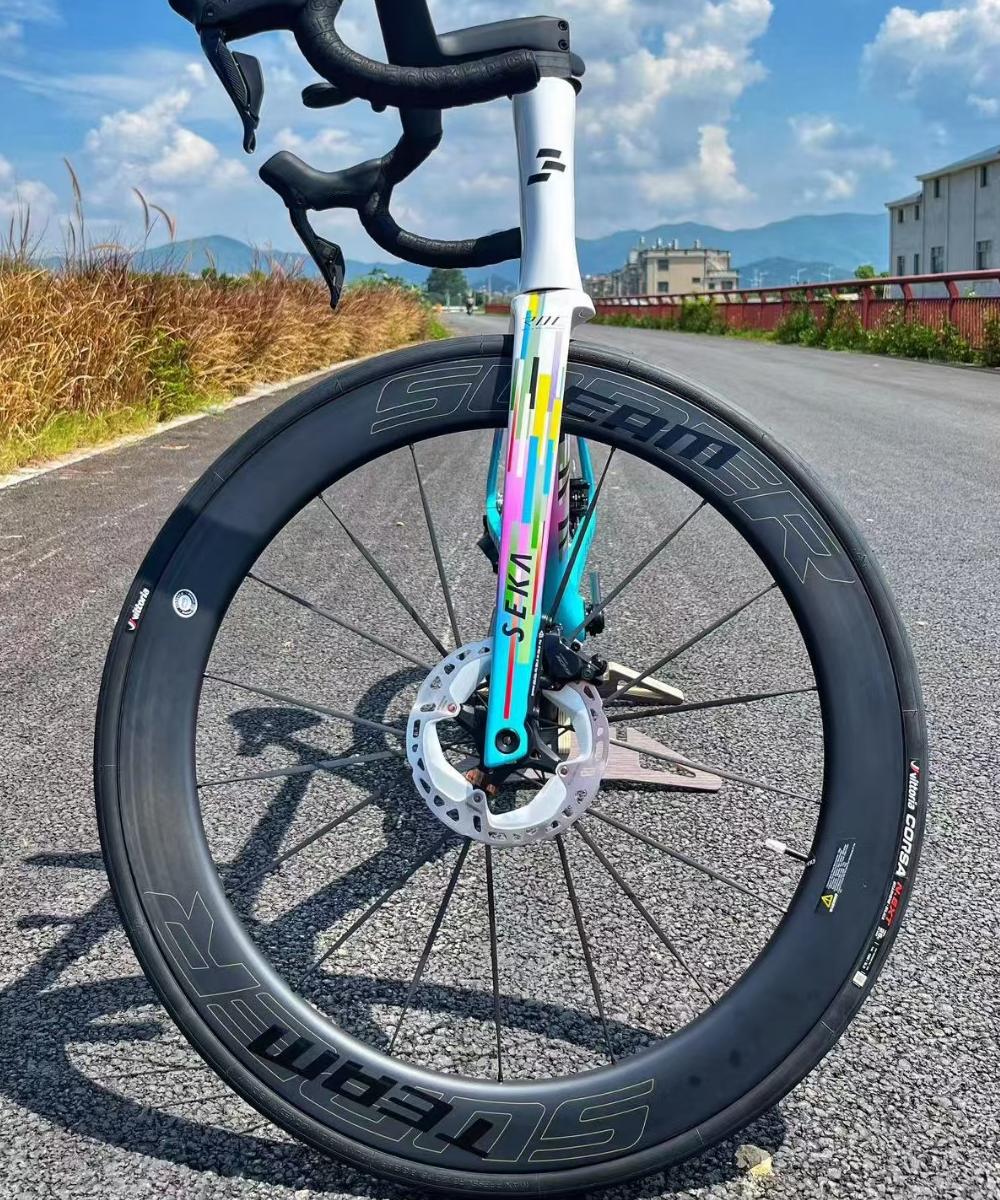

How Rims Are Tested for Impact Resistance: Methods and Standards
Impact resistance is a critical property for bicycle rims, particularly for mountain, gravel, and road wheels used on rough terrain. Ensuring that a rim can withstand potholes, curbs, and accidental drops is essential for rider safety and wheel longevity.
Why Impact Testing Matters
Bicycle rims endure repeated shocks from road irregularities. A rim failure can be catastrophic, making impact testing a key part of design and quality control. Manufacturers test rims to understand how they deform, absorb energy, and maintain structural integrity under sudden forces.
Common Testing Methods
Falling Mass Test
A weight is dropped from a predetermined height onto a rim mounted in a standard fixture. The rim’s deflection, cracks, or permanent deformation are measured to evaluate its impact resistance.
Pendulum or Charpy Test
A pendulum strikes the rim at a controlled velocity, simulating a sudden side impact. Energy absorption and resulting damage are recorded.
Vertical Drop Test
The wheel, fully laced with hub and spokes, is dropped vertically onto a hard surface to simulate potholes or curb hits. Both rim and spoke performance are analyzed.
Field Testing
Rims are tested in real-world conditions by riding over obstacles and rough terrain. This provides practical data on failure modes not captured in lab tests.
Standards and Guidelines
ISO 4210: Specifies safety and performance requirements for bicycles, including impact testing for wheels and rims.
EN 14781: Focuses on racing bicycles, with tests for rim strength under dynamic loads.
JIS D 9421: Japanese industrial standard covering wheel impact testing.
Key Considerations
Rim material and wall thickness directly affect impact resistance.
Rim profile and internal reinforcement (like bead hooks or carbon layup patterns) help distribute force.
Testing should consider weight classes, rider type, and terrain to provide realistic data.
Conclusion
Impact resistance testing is an essential step in rim design and validation. By combining lab methods with real-world simulations and adhering to international standards, manufacturers can ensure rims are durable, safe, and capable of handling the shocks encountered in everyday riding.