


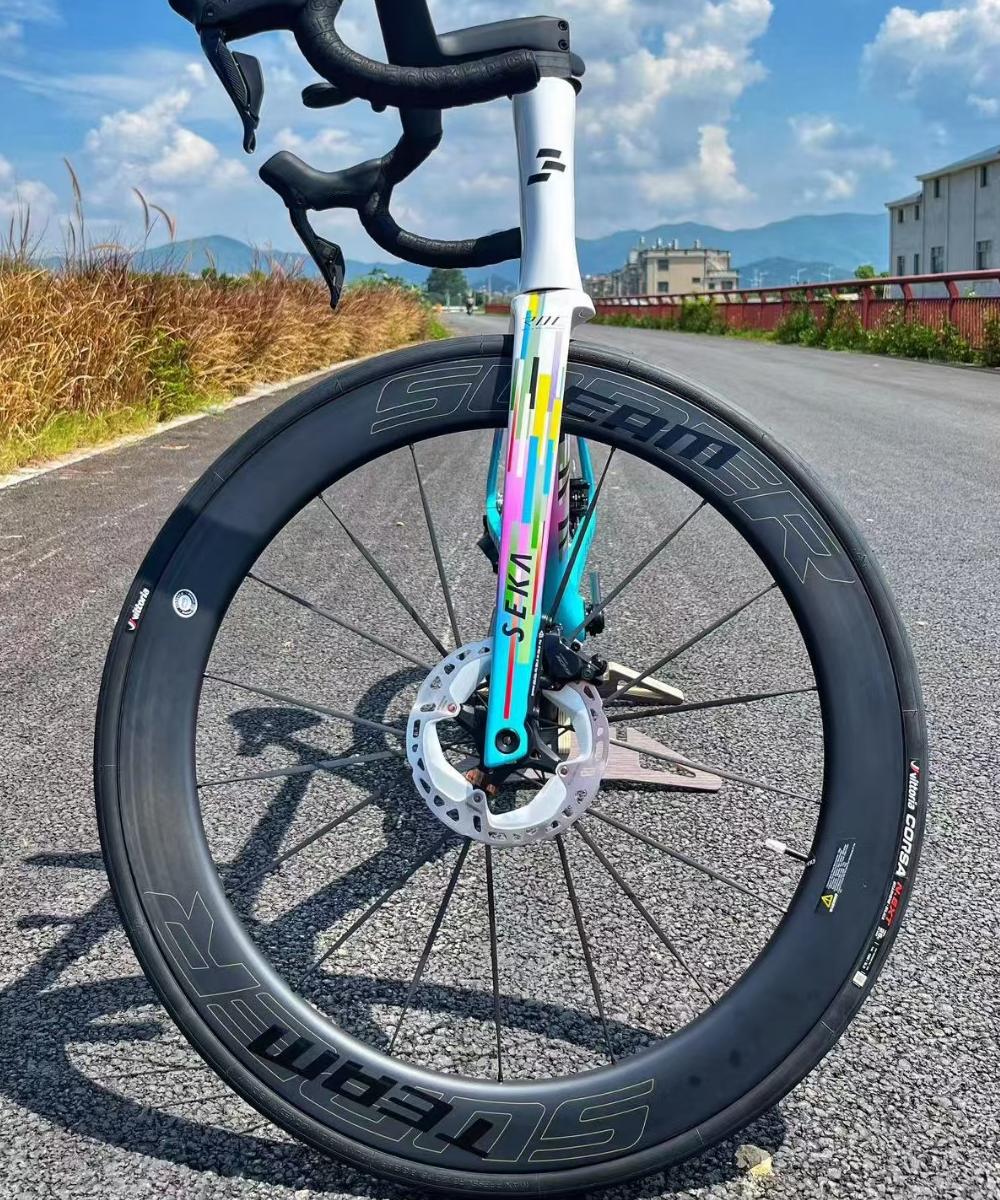

How Rim Depth Impacts Speed and Stability in Road Cycling
Rim depth is one of the most influential design factors in modern road cycling rims. Whether you are chasing top speed, battling crosswinds, or looking for all-around comfort, the depth of your rims plays a major role in how your bike performs. This guide breaks down how rim depth affects aerodynamics, handling, climbing efficiency, and everyday ride feel—helping you choose the best setup for your riding style.
What Is Rim Depth?
Rim depth refers to the vertical height of the rim from the spoke bed to the outer edge. In the world of road cycling rims, depth typically falls into three categories:
Shallow (25–35mm)
Mid-depth (40–55mm)
Deep (60–80mm+)
Each depth range changes how your wheelset behaves under different riding conditions.
How Rim Depth Affects Aerodynamics
Aerodynamics are where deeper road cycling rims shine. The deeper the rim, the more streamlined the airflow around the wheel.
Shallow Rims
Minimal aerodynamic advantage
Best for lower speeds and technical routes
Mid-Depth Rims
A balanced mix of aero efficiency and handling
Ideal for versatile road conditions and mixed terrain
Deep Rims
Provide the greatest aerodynamic benefit
Save significant watts at high speeds
Popular for time trials, triathlons, and fast group rides
If your primary goal is to ride faster with less effort, deeper road cycling rims deliver the most measurable gains.
How Rim Depth Influences Stability in Crosswinds
Stability is the biggest trade-off when choosing deeper rims. The larger surface area catches more side wind.
Shallow Rims
Extremely stable in gusts
Excellent for lightweight riders or windy regions
Mid-Depth Rims
Manageable crosswind behavior
Best all-around choice for most riders
Deep Rims
Can feel twitchy when the wind hits from the side
Requires confidence and stronger handling skills
Modern designs use better shaping to improve stability, but the physics still apply: deeper road cycling rims will always react more to crosswinds than shallow ones.
Climbing Performance and Rim Depth
Weight is another factor influenced by depth. Deeper rims typically weigh more due to extra material.
Shallow Rims
Best for climbing
Quick acceleration and lighter overall feel
Mid-Depth Rims
Slight weight increase, but still climbs well
A good compromise for rolling terrain
Deep Rims
Heaviest option
Not ideal for long climbs or punchy accelerations
If your rides involve frequent or steep climbs, shallower road cycling rims provide a more agile experience.
How Rim Depth Affects Comfort
Comfort is less talked about but still important.
Shallow rims flex more, absorbing road vibrations
Mid-depth rims provide a moderate level of compliance
Deep rims are generally stiffer, transmitting more feedback
For long-distance endurance riding, shallower or mid-depth road cycling rims can reduce fatigue.
Which Rim Depth Should You Choose?
Choose Shallow Rims (25–35mm) If You:
Ride in windy areas
Prioritize climbing
Prefer responsive handling
Are a lighter-weight rider
Choose Mid-Depth Rims (40–55mm) If You:
Want the best all-around performance
Ride mixed terrain
Value both speed and stability
Want a do-everything wheelset
Choose Deep Rims (60–80mm+) If You:
Focus on time trials or triathlon
Want maximum aerodynamic efficiency
Ride mostly flat roads
Are comfortable handling crosswinds
Final Thoughts
Choosing the right rim depth comes down to your riding goals, local terrain, and comfort level. Deeper road cycling rims provide more speed but require more control, while shallow rims offer reliability and easier handling. Mid-depth options strike the perfect balance and remain the most popular choice for everyday road cyclists.