

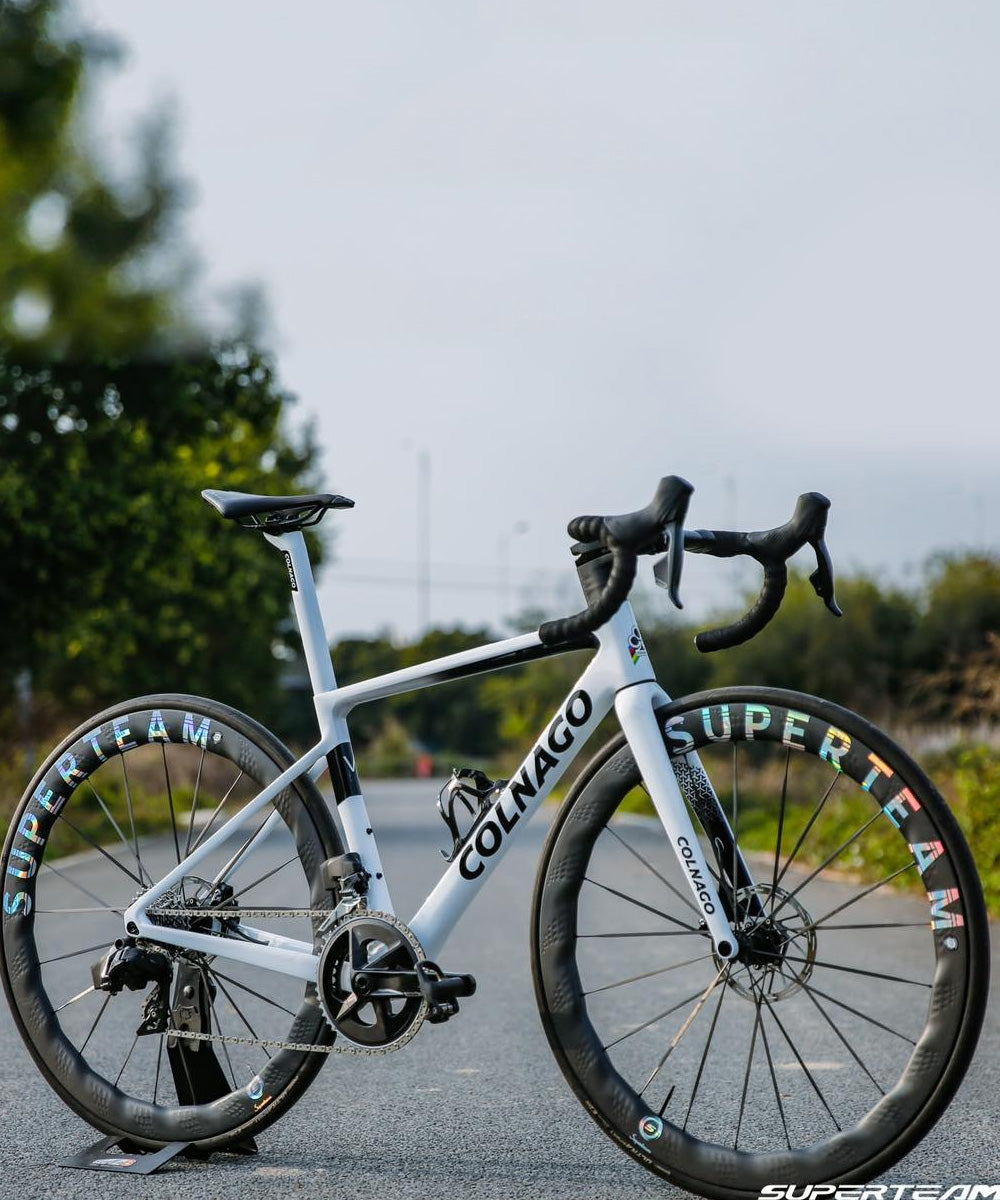


How Gravel Terrain Affects Rim Wear and Brake Performance
Gravel riding exposes wheels to rough surfaces, dirt, rocks, and grit, all of which have a direct impact on rim wear and braking performance. Understanding how terrain affects these components helps riders maintain safety and maximize the lifespan of their wheels.
Rough gravel surfaces accelerate rim wear, especially on rim-brake carbon and alloy wheels. Small stones and grit trapped between the brake pads and the rim gradually erode the braking surface, reducing effectiveness over time. Repeated braking on loose or abrasive gravel can also lead to glazing or uneven pad wear, which further compromises stopping power.
Brake performance is influenced not only by wear but also by how the terrain forces braking patterns. Loose or uneven gravel requires more modulation and controlled braking to prevent skidding, which places additional stress on rims and pads. Wet conditions common on gravel paths can reduce friction between the pad and rim, requiring longer braking distances and increasing the risk of heat buildup, especially on carbon rims.
Maintenance and setup are critical for mitigating these effects. Regular cleaning of rims and pads removes embedded grit that accelerates wear. Selecting brake pads suited for gravel riding and inspecting them frequently ensures consistent stopping power. Tubeless tires can help by allowing lower pressures, which absorb bumps and reduce the direct impact on rims.
In conclusion, gravel terrain naturally increases rim wear and challenges brake performance. Riders can maintain optimal braking and prolong wheel life by using appropriate pads, performing routine cleaning, and adjusting riding technique to match the conditions. Awareness of how terrain affects braking is essential for both safety and performance on gravel rides.