


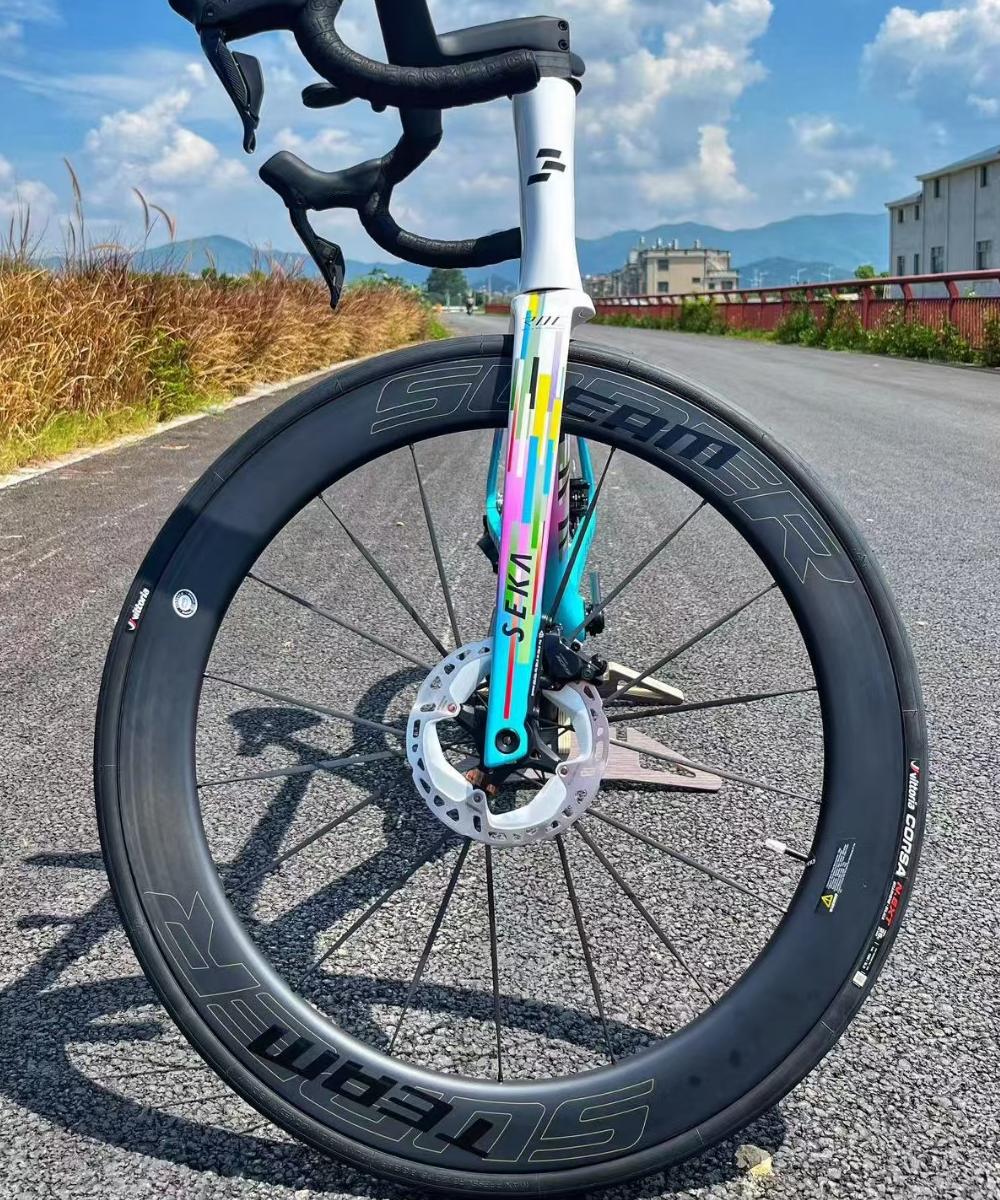

How Bicycle Disc Brake Pads Work: Inside the Structure That Stops Your Bike
Modern bicycles rely heavily on disc brake systems for reliable stopping power, and at the heart of these systems lies the disc brake pad. While small in size, brake pads play a decisive role in safety, control, and riding confidence.
When a rider pulls the brake lever, force is transmitted through a hydraulic line or cable to the brake caliper. Inside the caliper, pistons push the brake pads toward the rotor. As the pads clamp onto the rotor, friction is generated, slowing the rotation of the wheel.
Each disc brake pad is built around a rigid backing plate. This plate ensures the pad maintains its shape under pressure and heat. Attached to it is the friction compound, engineered to provide predictable braking across varying temperatures and conditions.
Manufacturers formulate friction materials using resin, metal particles, ceramics, or a combination of these. Organic pads are lightweight and quiet but less durable. Metallic pads last longer and perform better in wet and muddy conditions but may produce more noise and rotor wear.
Structural design also affects modulation—the rider’s ability to finely control braking force. A well-designed pad delivers smooth, progressive braking rather than abrupt locking. This is especially important in technical riding or high-speed road descents.
Heat dissipation features such as fins, slots, or multi-layer constructions help control thermal buildup. Without proper heat management, pads can lose friction efficiency, leading to longer stopping distances.
Disc brake pads may appear simple, but their internal structure reflects years of engineering refinement. Understanding these details helps riders select pads that match their terrain, riding intensity, and performance expectations.