

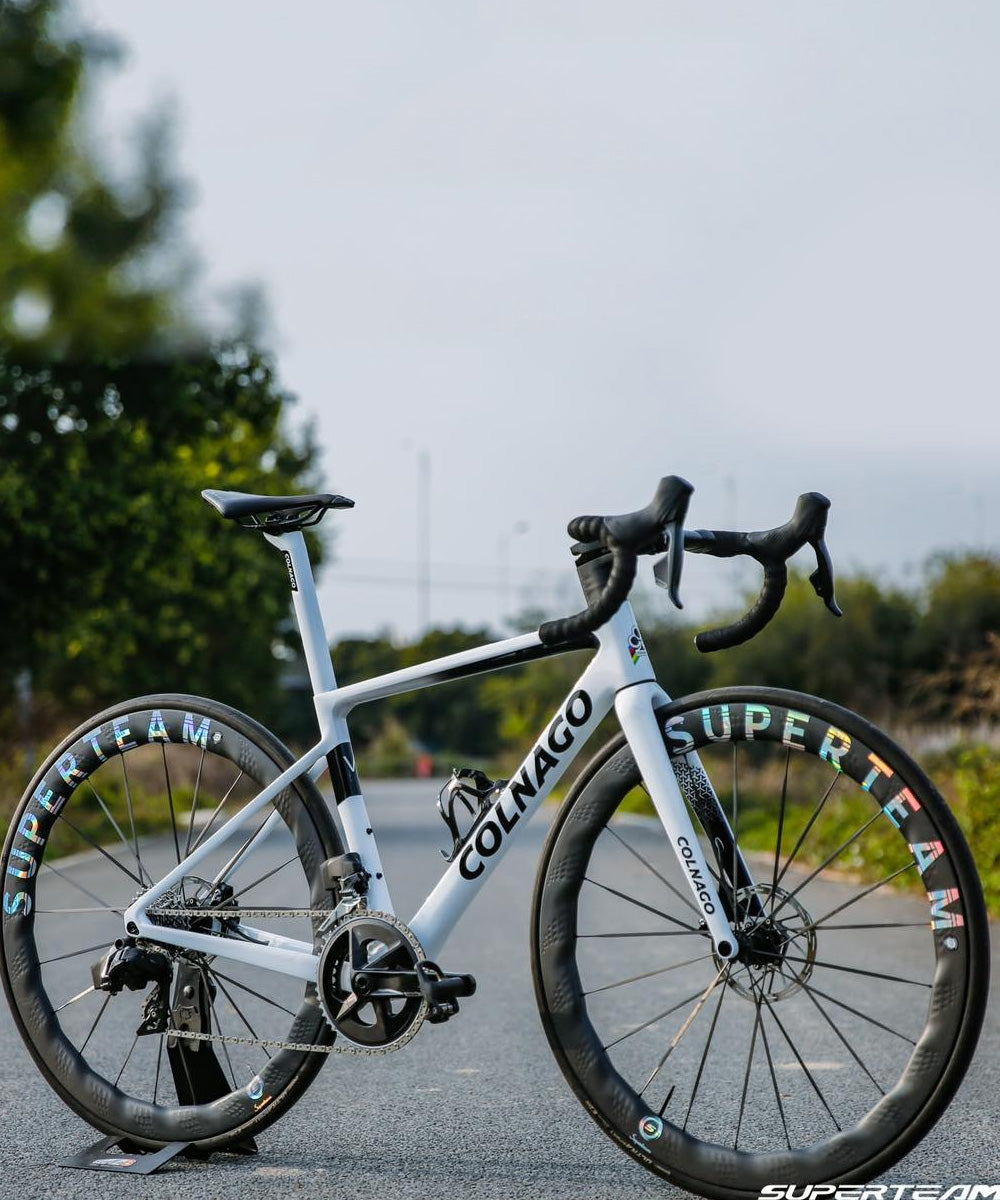


Durability Showdown: Gravel vs. Road Wheelsets
When comparing gravel and road wheelsets, durability is one of the most significant distinctions. The conditions each type of wheel encounters on a daily ride determine how it is constructed, how often it needs maintenance, and how long it will last. A wheelset that performs flawlessly on the road may quickly deteriorate under the punishing conditions of gravel riding, while one designed for off-road adventures might feel overbuilt and heavy for pure road use. Understanding these durability differences helps riders make informed choices and avoid premature wear or costly repairs.
Material Strength and Rim Construction
The first difference appears in how the rims are built. Road wheelsets are optimized for low weight and aerodynamic performance, which often means thinner rim walls and fewer spokes. Gravel wheelsets, by contrast, are designed to absorb shocks and impacts from rough surfaces. Their rims are usually thicker, reinforced at the spoke holes, and made to withstand small rock strikes or the occasional pothole hit. The increased material adds weight but also extends lifespan under stress. Carbon fiber rims on gravel wheels often have extra layers of reinforcement, particularly along the bead seat, to prevent cracking from low-pressure tubeless setups.
Spoke Count and Tension
Spoke design plays a major role in how a wheel handles stress over time. Road wheels typically use fewer spokes, often 20 or 24, to reduce aerodynamic drag. They rely on high tension and precise truing to stay stiff and efficient. Gravel wheels, meanwhile, often feature 28 or even 32 spokes, spreading the load more evenly across the rim. This makes them better at absorbing irregular impacts without going out of true. In real-world riding, a gravel wheelset is less likely to lose alignment after riding over uneven ground, whereas a lightweight road wheel may require frequent truing if used in harsh conditions.
Hub Durability and Sealing
Hubs are another critical factor in long-term reliability. Gravel environments expose bearings to dust, mud, and water far more often than road riding. As a result, gravel wheel hubs are built with stronger seals and sometimes use double-sealed bearings to keep contaminants out. Road wheel hubs prioritize smoothness and low rolling resistance, sometimes at the expense of weatherproofing. If a road wheelset is used on gravel frequently, dirt can quickly wear down the bearings and reduce performance. Regular cleaning and re-greasing become essential to prevent premature wear.
Brake Rotor and Spoke Interface Wear
In the era of disc brakes, the forces applied to the hub and spokes are different from those in rim-brake systems. Gravel wheels, which often use larger rotors, must manage greater braking torque. The spoke interface and hub flanges are therefore designed to be stronger. Over time, consistent heavy braking on descents or in wet conditions can stress the interface points. Road wheels, using smaller rotors and experiencing less vibration, are less affected. However, they may still develop minor wear if frequently exposed to grit and dust without adequate cleaning.
Maintenance Frequency
Gravel riding naturally demands more frequent maintenance. Dust and mud can accumulate around the hub seals, rotor mounts, and spoke nipples, leading to corrosion or seizing if left unattended. After rides on unpaved routes, wheels should be rinsed with clean water and dried before inspection. Periodic checks for spoke tension and rim cracks are recommended. Road wheels, on the other hand, typically require less attention, especially when ridden on clean tarmac. Regular inspection of bearings and tension every few thousand kilometers is usually sufficient. The difference in maintenance habits mirrors the environments these wheels are meant to conquer.
Real-World Lifespan
In practical terms, gravel wheelsets are built to endure punishment. They may last several years of regular off-road riding with minimal issues if properly maintained. The rims may show cosmetic wear from debris, but their structural integrity often remains intact. Road wheelsets, though lighter and more responsive, generally have a shorter lifespan if used beyond their intended purpose. Constant vibration and impact can weaken spoke holes or delaminate carbon layers in extreme cases. However, on smooth roads, road wheels can maintain peak performance for tens of thousands of kilometers.
Repairability and Cost of Upkeep
When damage does occur, gravel wheels are often easier to repair because of their traditional build and higher spoke count. A single broken spoke or dented rim can be serviced without replacing the entire wheel. Some ultralight road wheels, particularly those with proprietary spoke systems, can be more expensive and time-consuming to fix. For riders who travel far from service centers or who value self-reliance, the simpler design of gravel wheels offers a clear advantage.
Conclusion
Durability and maintenance requirements are defined by the terrain each wheelset is built to face. Gravel wheels favor strength, serviceability, and protection against the elements, while road wheels pursue efficiency, lightness, and refined performance. Neither is inherently better; they simply prioritize different forms of longevity. Knowing how to care for each ensures safer rides, longer service life, and a deeper appreciation of how engineering adapts to the demands of different cycling disciplines.