

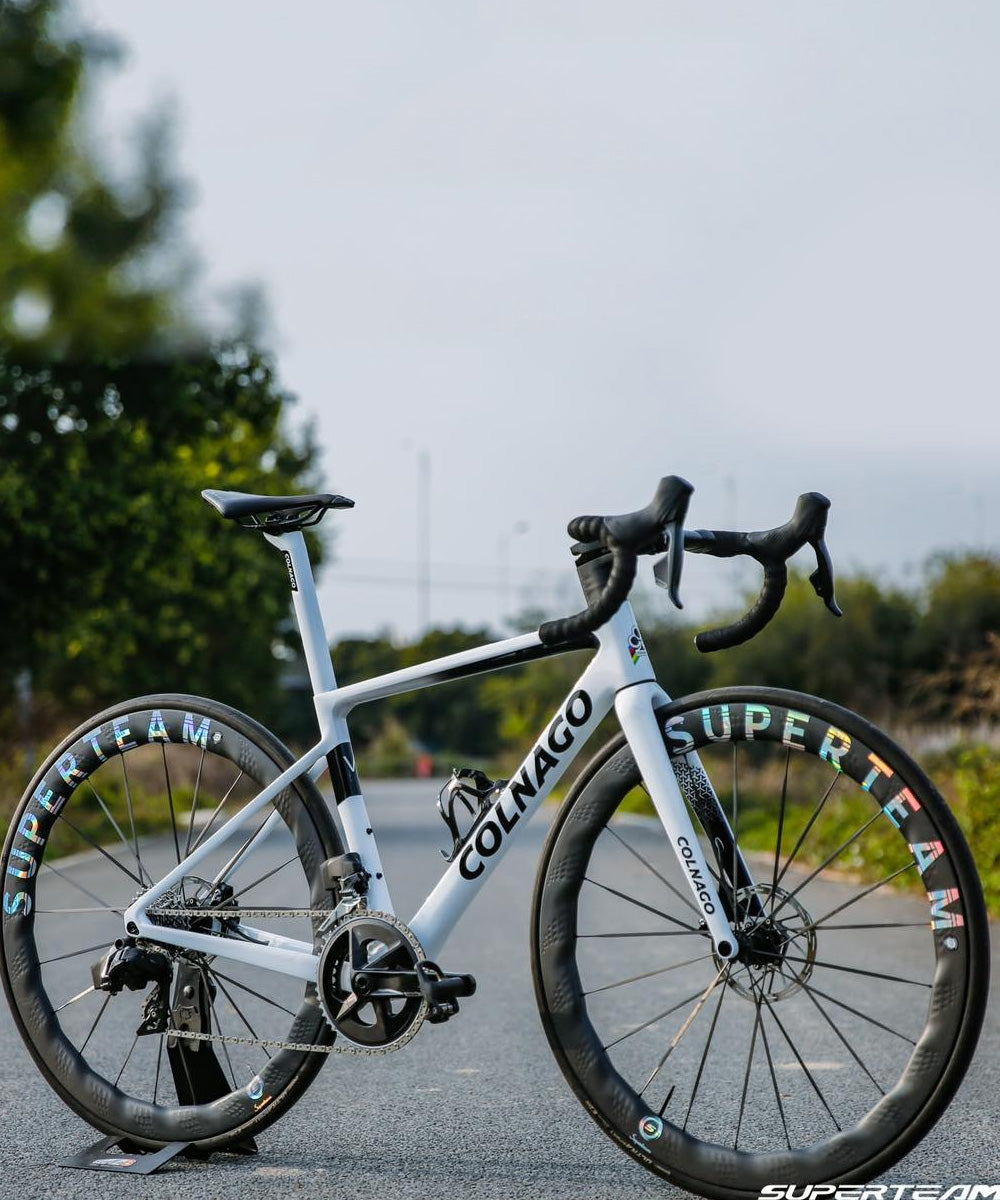


Do Carbon Wheels Hold Their Value Over Time?
Carbon wheelsets are among the most popular upgrades for road and gravel bikes. Riders often justify the higher price with performance benefits such as reduced weight, improved aerodynamics, and increased stiffness. But beyond speed and ride quality, many cyclists wonder whether carbon wheels hold their value over time. The answer is generally yes—especially compared with aluminum wheels—but several factors influence how well a wheelset retains its resale price.
Typical Depreciation of Carbon Wheels
Like any cycling component, carbon wheels lose value after purchase. The largest drop typically occurs in the first couple of years. After that, the price tends to stabilize if the wheels remain in good condition.
Industry observations suggest that high-quality carbon wheels can retain around 50–60% of their original value after a few years, especially when well maintained and still compatible with modern bike standards.
Compared with many other bike components, wheels hold value relatively well because they are easy to transfer between bikes and deliver a noticeable performance upgrade.
Why Carbon Wheels Retain Value Better Than Many Components
1. High Performance Demand
Carbon wheels provide measurable advantages in weight, aerodynamics, and stiffness. These performance gains make them one of the most desirable upgrades in cycling, which keeps demand strong in the second-hand market.
Because riders can feel the difference immediately, used carbon wheels are often easier to sell than other upgrades.
2. Compatibility Across Bikes
Unlike frames, wheels can often be moved from one bike to another. As long as the axle standard, brake type, and freehub body match, a wheelset can remain useful across multiple bike builds.
This cross-compatibility increases the pool of potential buyers when the wheels are sold.
3. Wheels Are a High-Impact Upgrade
In the used market, wheels are one of the few upgrades that actually increase a bike’s resale appeal. Bikes equipped with premium wheelsets often sell for noticeably more than the same bike with stock wheels.
This reinforces the perception that wheels are a long-term investment rather than a disposable component.
Factors That Affect Resale Value
Even though carbon wheels generally hold value well, several factors can influence how much you recover when selling them.
Brand Reputation
Well-known brands often command higher resale prices because buyers trust their quality and safety. Premium manufacturers with strong reputations typically maintain stronger second-hand demand.
Condition and Maintenance
Wheelsets that are clean, true, and free from cracks or deep scratches sell faster and for higher prices. Documentation of service history can also improve buyer confidence.
Technology Standards
Cycling technology evolves quickly. Wheels built for outdated standards—such as rim brakes or older axle types—may depreciate faster as newer systems become dominant.
Crash History
Carbon rims are strong, but buyers may worry about hidden damage after crashes. Any visible structural damage can significantly reduce resale value.
Carbon vs Aluminum Resale Value
Carbon wheels generally hold their value better than aluminum wheels. Aluminum rims are cheaper initially but tend to depreciate more quickly because they are more common and easier to replace.
Carbon wheels, by contrast, remain desirable due to their performance advantages and higher original price.
Tips to Maintain Wheelset Value
If you want your carbon wheels to retain value over time, a few simple practices can help:
Clean and inspect the rims regularly
Avoid severe impacts and potholes
Maintain proper spoke tension and hub servicing
Store wheels in a dry, protected environment
Keep original documentation and accessories
These steps not only protect the wheels but also make them easier to sell later.
Final Thoughts
Carbon wheels do lose value after purchase, but they generally retain their resale price better than most cycling components. Thanks to strong demand, transferable compatibility, and clear performance benefits, well-maintained carbon wheelsets can still hold around half their original value after several years of use.
For riders who upgrade frequently or build multiple bikes over time, carbon wheels are not just a performance upgrade—they can also be one of the most financially sensible investments in cycling equipment.