

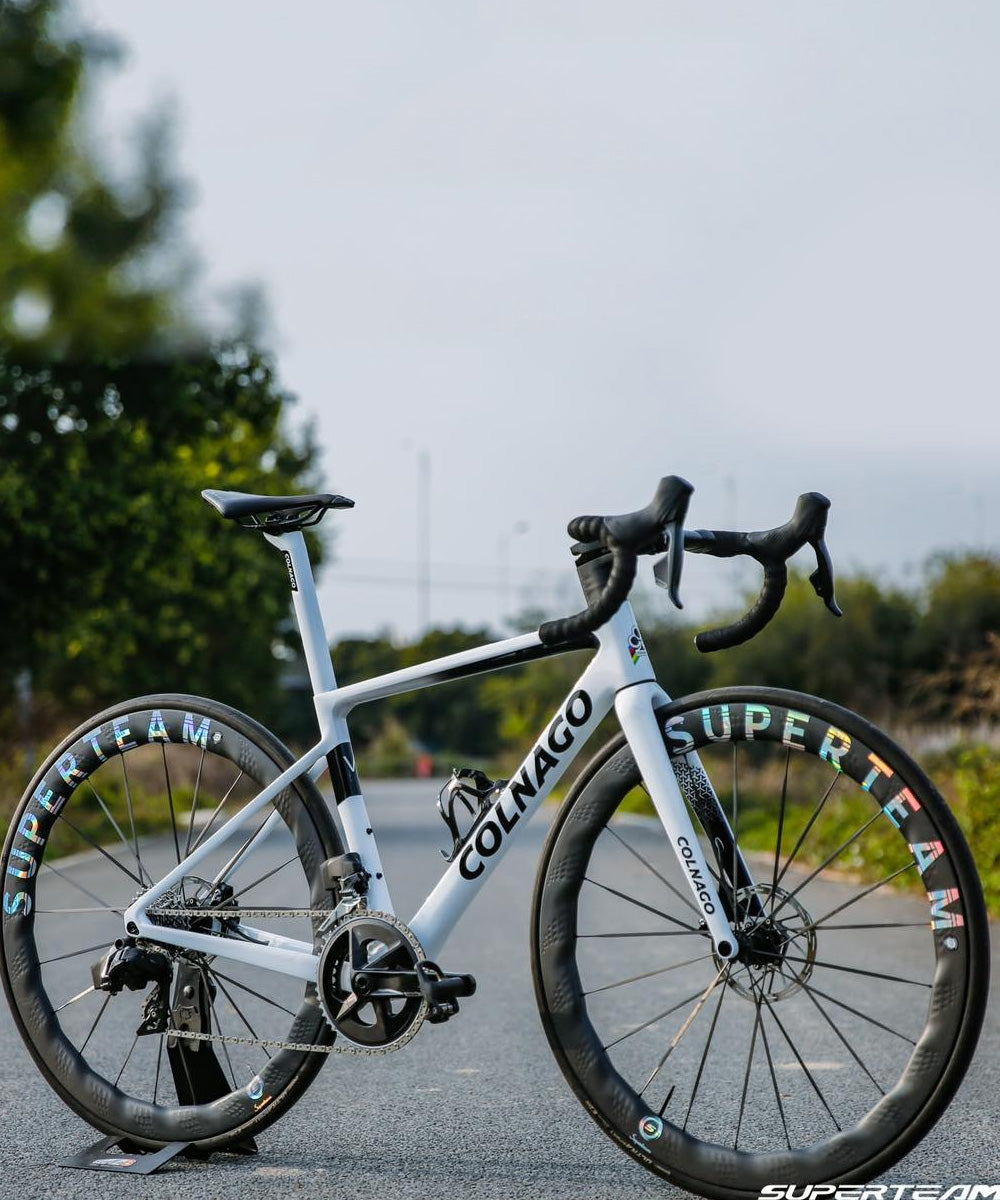


Common Mistakes Cyclists Make with Carbon Road Cycling Rims
Carbon road cycling rims offer exceptional performance—light weight, stiffness, improved aerodynamics, and modern compatibility with wider tires. But they also require more attention and correct handling than traditional alloy rims. Many riders unknowingly shorten the lifespan of their carbon wheels or compromise performance by making avoidable mistakes. This article highlights the most common errors cyclists make with carbon rims and how to prevent them.
One of the most frequent mistakes is using the wrong brake pads on rim-brake carbon wheels. Carbon rims require special pads designed to handle heat and protect the brake track surface. Using standard alloy pads can trap metal particles, scratch the carbon surface, and generate excessive heat during braking. Overheating can lead to brake-track damage, warping, or, in extreme cases, delamination. Riders should always use carbon-specific pads and inspect them regularly for embedded debris.
Another common error is overinflating tires. Carbon rims—especially hookless models—have strict maximum pressure limits. Many riders still inflate their tires as they would with older, narrower alloy rims, not realizing that excessive pressure can cause blow-offs or crack the rim structure. Modern carbon rims are designed for lower pressures, which also improve comfort and rolling efficiency. Always follow the manufacturer’s pressure chart for both tire width and rim type.
Improper tire installation is another frequent issue. Forcing a tight tire onto the rim using metal levers can chip the rim surface or damage the rim tape. Damaged tape leads to air leaks in tubeless setups, while chipped carbon may worsen into cracks under riding stress. Riders should use plastic levers when necessary and ensure the tire bead sits in the center channel during installation.
Ignoring spoke tension is a subtle but serious mistake. Carbon rims rely on precise tension across all spokes for optimal performance and structural integrity. Loose or uneven spokes can cause the rim to go out of true, leading to poor handling, premature wear, or even catastrophic failure under load. Regular spoke checks—especially after long rides, impacts, or travel—are essential for maintaining rim strength and wheel stability.
Riders also frequently underestimate the effect of heat on carbon rims. Long, steep descents can generate intense temperatures at the brake track. Dragging the brakes instead of pulsing them accelerates heat buildup. Proper braking technique—short, firm applications instead of continuous light pressure—helps protect the carbon structure. Disc brake wheels avoid this issue entirely, but the risk persists with rim-brake setups.
Another common mistake is riding carbon rims with old, damaged, or cheap tires. Carbon wheels perform best with high-quality, supple tires that complement their stiffness and aerodynamic profile. Cheap, stiff casings transmit more vibration and provide less grip, reducing both comfort and performance. On high-end rims, poor tires quickly become the limiting factor.
Incorrect storage and handling are often overlooked. Leaning carbon wheels against sharp edges, dropping them on hard surfaces, or tightening quick-releases excessively can create stress points or hairline cracks. Carbon rims are strong under riding forces but vulnerable to sharp impacts and compression from the wrong angles.
Failure to monitor rim wear is another issue for rim-brake users. Unlike alloy, carbon doesn’t show obvious wear grooves. Riders often push the rim far beyond safe limits without realizing it. Using a proper rim-wear gauge or having the wheel inspected by a professional ensures it remains safe for high-speed descents.
Tubeless users also make several common mistakes, such as using too little sealant, failing to refresh it regularly, or choosing incompatible tires. A dry tubeless system loses puncture protection and can suddenly leak air during a ride. Sealant should be checked every two to six months, depending on climate and mileage.
Finally, many cyclists forget that carbon rims are not indestructible. Hitting potholes at high speed, riding with very low tire pressure, or ignoring strange noises can lead to cracks that worsen over time. Early inspection after impacts can prevent small damage from becoming a major failure.
Avoiding these common mistakes protects both performance and safety. With proper care—correct brake pads, reasonable tire pressures, careful installation, consistent spoke tension, and regular inspections—carbon road cycling rims will deliver years of fast, smooth, and reliable riding.