



Carbon vs Alloy Gravel Bike Rims: Which Is Worth It?
Choosing between carbon and alloy rims for your gravel bike is one of the most important decisions a rider can make. Each material has distinct advantages and trade-offs, and understanding them is essential to match your wheels to your riding style, terrain, and budget. This guide compares carbon and alloy gravel rims to help you decide which is worth investing in.
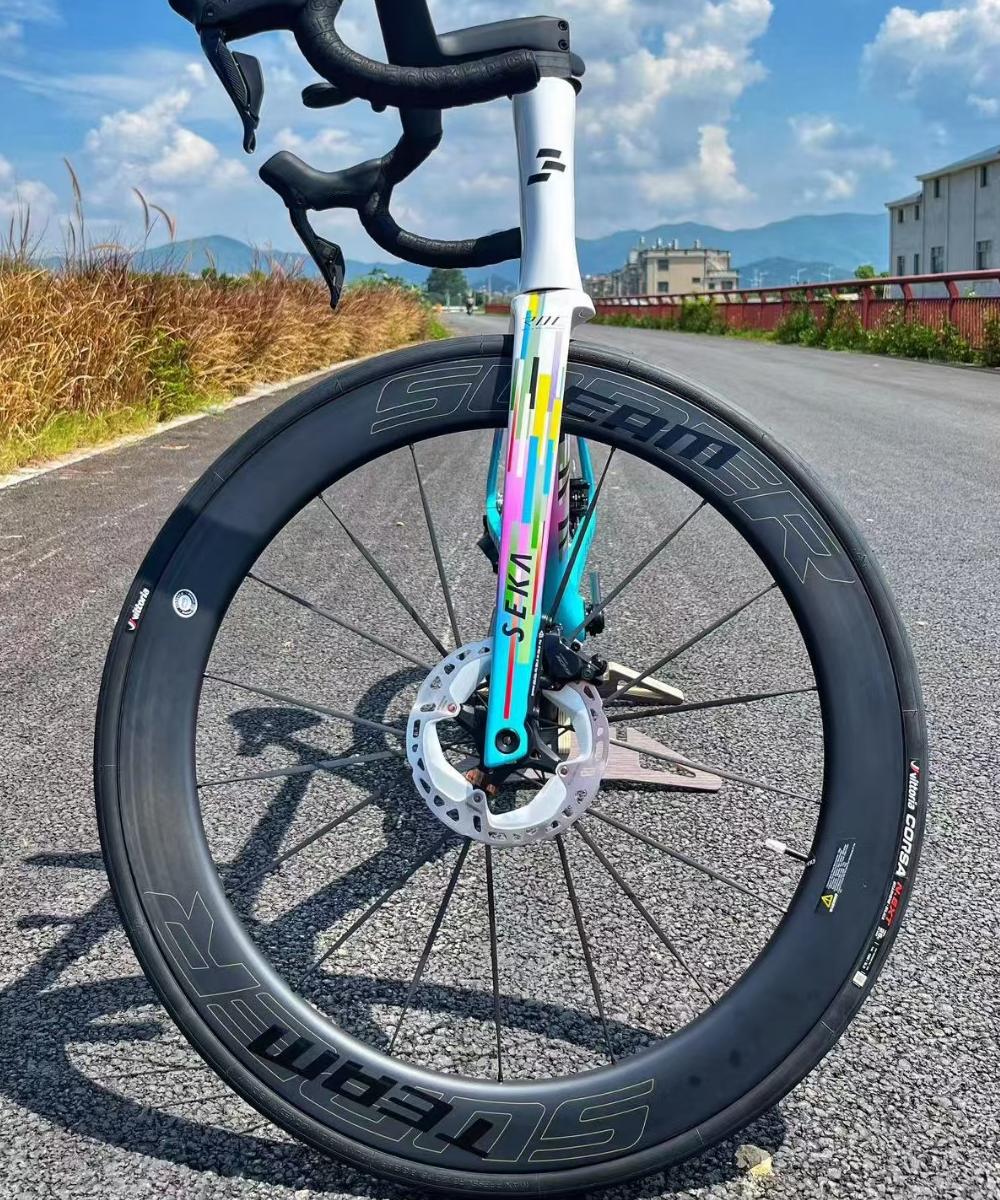
Carbon gravel rims are known for being lightweight and stiff. The reduced weight improves climbing performance and acceleration, while stiffness delivers responsive handling and efficient power transfer. Carbon also provides better vibration damping compared with alloy, which can translate into more comfort over long gravel rides or rough terrain. For racers or riders who prioritize speed and performance, carbon rims offer a clear advantage. Additionally, carbon allows for more aerodynamic rim shapes without significantly increasing weight, which benefits fast rolling on smoother gravel or mixed-road courses.
Alloy gravel rims, on the other hand, are valued for durability and affordability. They are typically heavier than carbon rims, but their strength and resilience make them ideal for rough, rocky trails or bikepacking adventures where damage from impacts is more likely. Alloy rims are also easier to repair or true in the field, making them more practical for riders who venture far from bike shops. While they may transmit slightly more vibration than carbon, modern alloy designs with wider profiles still provide a comfortable ride for most gravel terrain.
Cost is a major factor. Carbon rims are significantly more expensive than alloy, often two to three times the price for a comparable set. For riders who are budget-conscious or prioritize rugged durability over weight savings, alloy is usually the more sensible choice. However, for riders focused on racing, performance, and low weight, carbon can be worth the premium investment, especially when paired with tubeless tires and wider rim profiles.
Riding style and terrain play a decisive role in the choice. If your routes consist mainly of smooth gravel, hardpack, or mixed-road sections where speed and efficiency matter, carbon rims will enhance your ride experience. If you frequently tackle rough, technical trails, rocky paths, or heavy bikepacking loads, alloy rims provide peace of mind and durability without the risk of costly damage.
Tire compatibility also matters. Both carbon and alloy rims now commonly support wide tubeless-ready tires, which improve comfort, grip, and puncture resistance. Wider rims allow tires to perform optimally at lower pressures, regardless of rim material, so choosing tubeless-ready wheels is a key factor alongside carbon or alloy construction.
In conclusion, carbon gravel rims are worth it for riders who value performance, low weight, stiffness, and long-term comfort on smoother gravel or mixed surfaces. Alloy rims are worth it for riders prioritizing durability, cost-effectiveness, and reliability on rougher terrain or adventurous rides. The best choice depends on your riding goals, terrain, and budget, but both materials have proven to provide excellent performance when matched to the right conditions.