

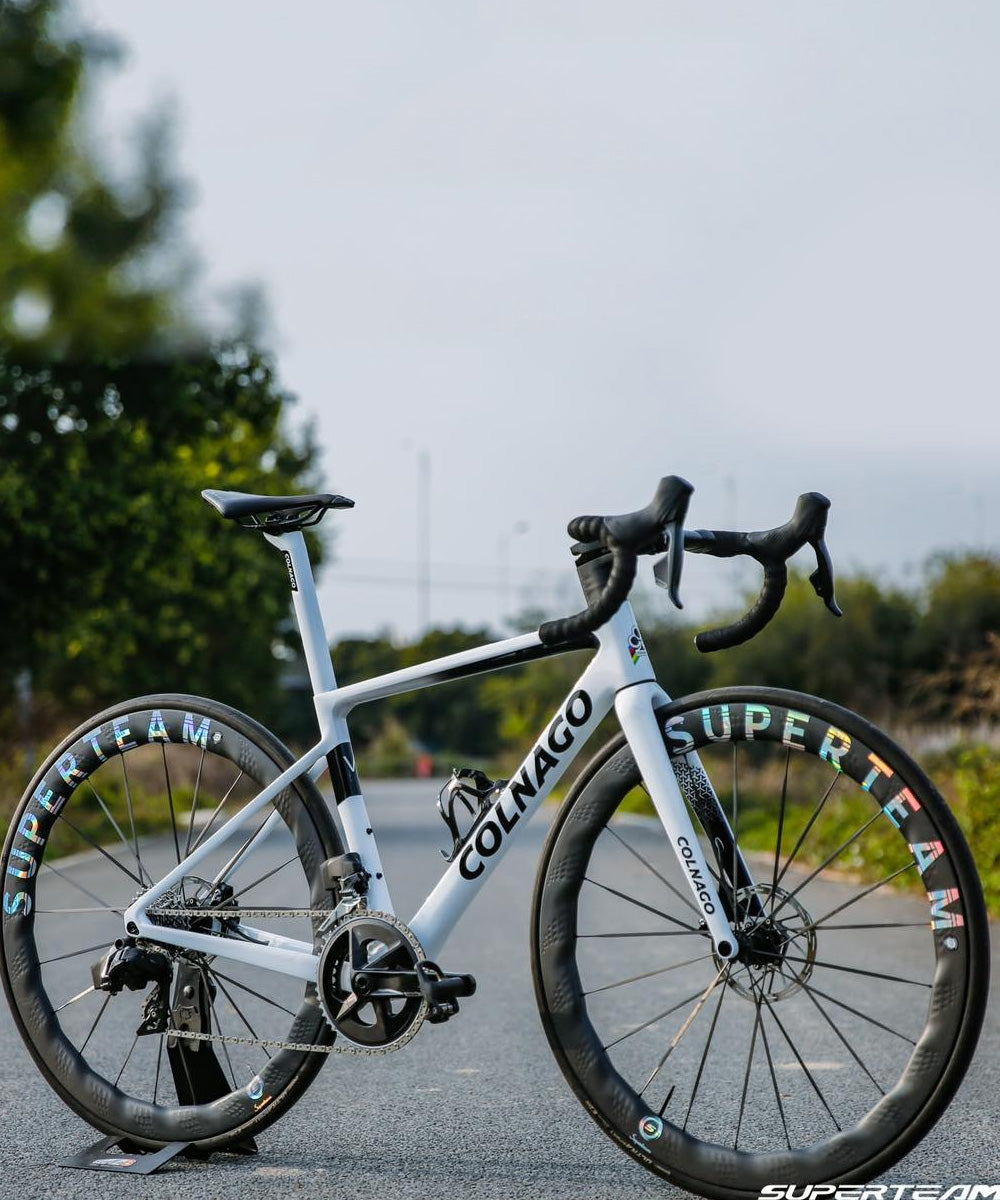


Carbon Rim Bead Hook Failures: Causes and Prevention
Introduction
Carbon rims have revolutionized road and gravel cycling, offering unmatched stiffness, lightweight performance, and aerodynamic advantages. However, one area of concern for riders and manufacturers alike is bead hook failure. While relatively rare, failures can be catastrophic, leading to sudden tire blowouts or compromised wheel integrity. Understanding the causes and adopting proper prevention strategies is essential for both safety and longevity.
Understanding the Bead Hook
The bead hook is the raised edge along the rim bed that holds the tire bead securely in place. In carbon rims, the bead hook is formed from carbon fiber layers and resin, making it lightweight yet strong. Unlike aluminum, carbon does not yield plastically under pressure, so its tolerance for extreme forces is limited.
Common Causes of Bead Hook Failures
Overinflation
Exceeding the manufacturer’s recommended tire pressure is a leading cause.
Carbon rims have precise tolerances; excessive pressure can deform or fracture the bead hook.
Incorrect Tire Fit
Using tires that are too wide or too narrow for the rim’s internal width can stress the bead hook unevenly.
Hookless rims with incompatible tire profiles are particularly vulnerable if standards are ignored.
Impact Damage
Hitting curbs, potholes, or rocks at high speed can concentrate forces on the bead hook.
Even small cracks or chips from impacts can propagate over time, weakening the hook.
Manufacturing Defects
Poor resin curing, uneven fiber orientation, or voids in the carbon layup can create weak points.
While rare in reputable brands, it underscores the importance of quality assurance.
Improper Mounting Techniques
Using excessive leverage, tire levers, or incorrect tools can create micro-damage to the bead hook.
Rapid inflation without checking tire seating may stress the hook unevenly.
Prevention Strategies
Follow Manufacturer Pressure Guidelines
Always adhere to the recommended tire pressures, taking rider weight and tire volume into account.
Use Compatible Tires
Check the rim internal width and tire profile. Hookless rims require tires labeled for hookless use.
Avoid forcing a tire that is outside the recommended size range.
Inspect Regularly
Examine rims for cracks, chips, or signs of delamination around the bead area.
Replace damaged rims promptly; do not attempt repairs on critical structural areas.
Mindful Mounting
Use proper tools, inflate slowly, and ensure the tire bead seats evenly around the rim.
Avoid aggressive tire lever use that could damage carbon fibers.
Avoid Severe Impacts
Ride cautiously over rough terrain. Gravel and road riders alike should inspect wheels after crashes or high-impact hits.
Conclusion
Carbon rim bead hook failures are uncommon but serious, and they usually result from a combination of misuse, incompatible components, or impact damage. By understanding the mechanics of the bead hook and following proper installation, inflation, and maintenance practices, riders can minimize risks and enjoy the performance benefits of carbon rims safely.