

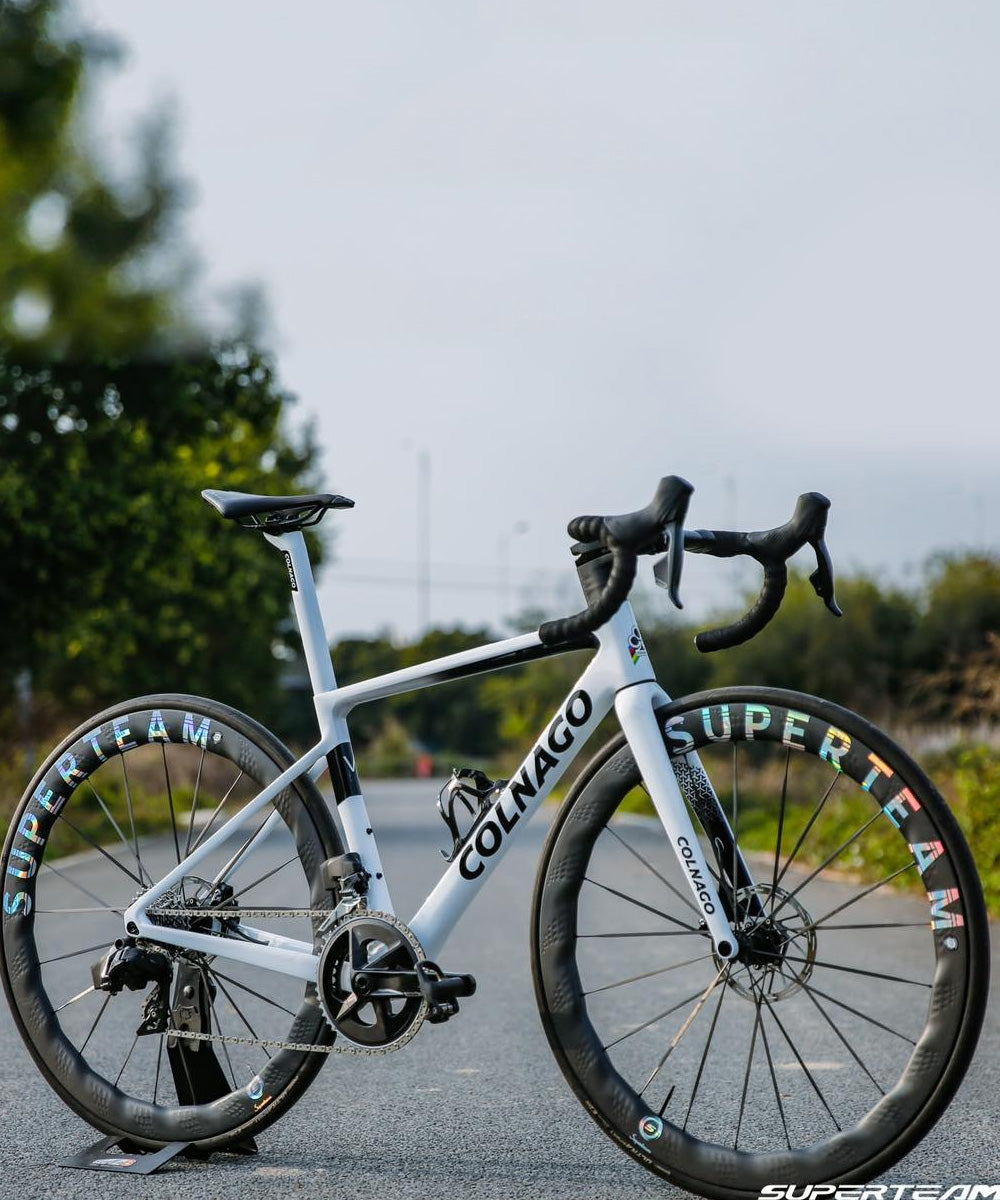


Can Recycled Carbon Fibers Be Used for Performance Wheelsets?
As sustainability becomes a critical focus in the cycling industry, the idea of using recycled carbon fibers in high-performance wheelsets has gained considerable attention. Carbon fiber composites are renowned for their exceptional strength-to-weight ratio and stiffness, making them the material of choice for premium wheels. However, the traditional production of carbon fiber is energy-intensive and generates significant waste. Recycling these fibers presents an appealing solution, but can recycled carbon fibers truly meet the demanding standards of performance wheelsets?
Understanding Recycled Carbon Fiber
Recycled carbon fiber is typically produced by reclaiming fibers from end-of-life composite parts or manufacturing scrap. The recycling processes include:
Mechanical recycling: Grinding or shredding composites into shorter fiber reinforcements.
Thermal recycling: Using heat to break down resin matrices and recover fibers.
Chemical recycling: Dissolving resin chemically to extract fibers with minimal damage.
Each method produces fibers of varying lengths, purity, and mechanical properties compared to virgin fibers.
Challenges in Using Recycled Carbon Fiber for Wheelsets
Fiber Length and Strength
Performance wheelsets require continuous, long fibers arranged precisely to maximize strength and stiffness. Recycled fibers often come in shorter lengths or are more brittle, which can reduce the mechanical properties of the final composite.
Consistency and Quality Control
Variability in recycled fiber quality can make it difficult to maintain consistent performance across production batches, posing a challenge for brands prioritizing reliability.
Manufacturing Adaptations
Processing recycled fibers may require modified resin systems or curing processes to optimize bonding and minimize defects, potentially increasing complexity and cost.
Progress and Innovations
Despite these challenges, recent advancements show promise:
Some manufacturers blend recycled fibers with virgin fibers, maintaining structural integrity while improving sustainability.
Emerging recycling techniques, like advanced chemical recycling, produce higher-quality fibers closer in performance to virgin carbon.
Research into novel composite architectures, such as chopped fiber mats or hybrid layups, leverages recycled fiber strengths while mitigating weaknesses.
Performance Implications
Studies and early product tests indicate that wheelsets incorporating recycled carbon fibers can approach the performance of traditional carbon composites when carefully engineered. Riders may notice minimal differences in stiffness or weight, while significantly reducing environmental impact.
The Sustainability Trade-Off
Incorporating recycled carbon fibers dramatically lowers the carbon footprint of wheelset production by:
Reducing reliance on energy-intensive virgin fiber production.
Decreasing landfill waste and environmental pollution.
Aligning with the growing consumer demand for eco-conscious products.
Conclusion: A Viable Path Forward
While recycled carbon fibers may not yet fully replace virgin fibers in every high-end wheelset, they are increasingly viable for performance applications, especially when combined with advanced manufacturing and design strategies.
For cyclists seeking sustainable yet competitive gear, wheelsets featuring recycled carbon fiber components offer a promising balance of performance and environmental responsibility.
As recycling technologies improve, expect recycled carbon fiber to play a larger role in the next generation of performance wheelsets—helping the cycling industry pedal toward a greener future.