
Why You Should Track Mileage Separately for Each Wheelset
Many cyclists meticulously record ride data, power numbers, and cadence metrics, yet few pay attention to how many miles each wheelset has actually covered. Tracking mileage separately for every wheelset — whether it’s your everyday training set or your lightweight carbon racing wheels — isn’t just a detail for data nerds. It’s a smart maintenance and performance habit that can save money, prevent failures, and keep your setup running at its best.
1. Different Wheelsets Have Different Lifespans
Not all wheels wear at the same rate. A carbon race wheel used occasionally in dry conditions will age very differently from an alloy training wheel that faces daily commutes, rain, and grit. Tracking mileage helps you understand when it’s time for inspection, bearing replacement, or even a rim resurfacing before problems arise.
2. Brake Track and Hub Maintenance Timing
For rim brake riders, the brake track wears gradually and can weaken over time. By logging mileage per wheelset, you can better estimate when your brake tracks or discs need inspection or replacement. The same applies to hub bearings — they have service intervals, and accurate mileage helps ensure smooth, consistent rolling performance.
3. Tire and Sealant Monitoring Made Easier
If you frequently swap between tubeless and clincher setups, mileage tracking helps you stay on top of tire wear, sealant refresh intervals, and sidewall integrity. Tubeless sealant, for example, tends to dry out after a few months, but knowing how far the wheelset has rolled gives a more accurate indicator of when it’s due for maintenance.
4. Helps Evaluate Performance Differences
When comparing multiple wheelsets — say, a deep-section aero set and a lightweight climbing set — tracking mileage individually helps isolate performance variables. You’ll get a clearer sense of how each performs under similar workloads, whether one offers better rolling efficiency, or if one needs tuning more often than the other.
5. Simplifies Long-Term Maintenance Records
Over time, small details add up. Knowing the exact mileage of each wheelset allows you to plan replacements for bearings, spokes, and freehub components more effectively. It also helps if you ever decide to sell your wheels — buyers appreciate transparent usage history.
Final Thoughts
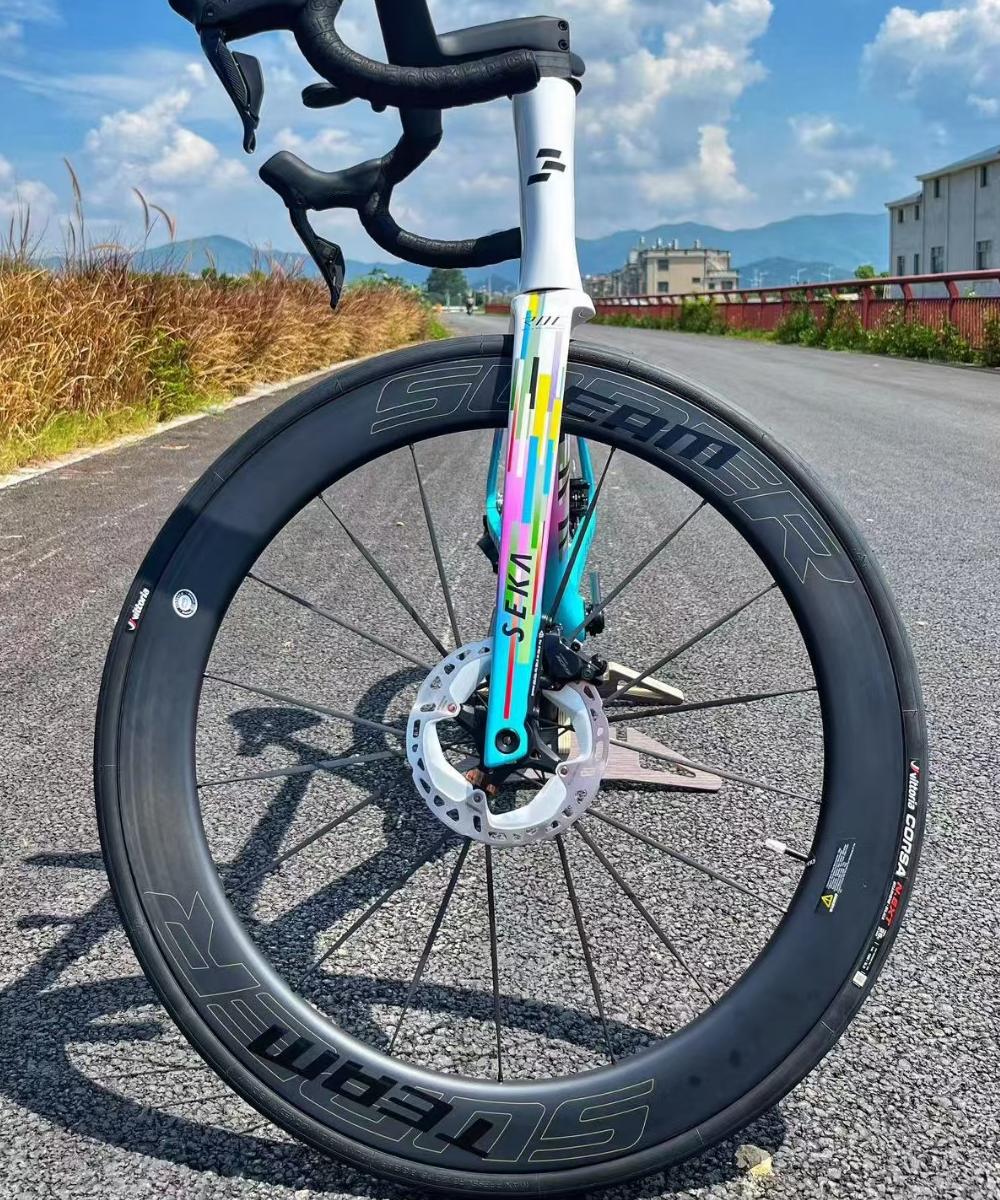
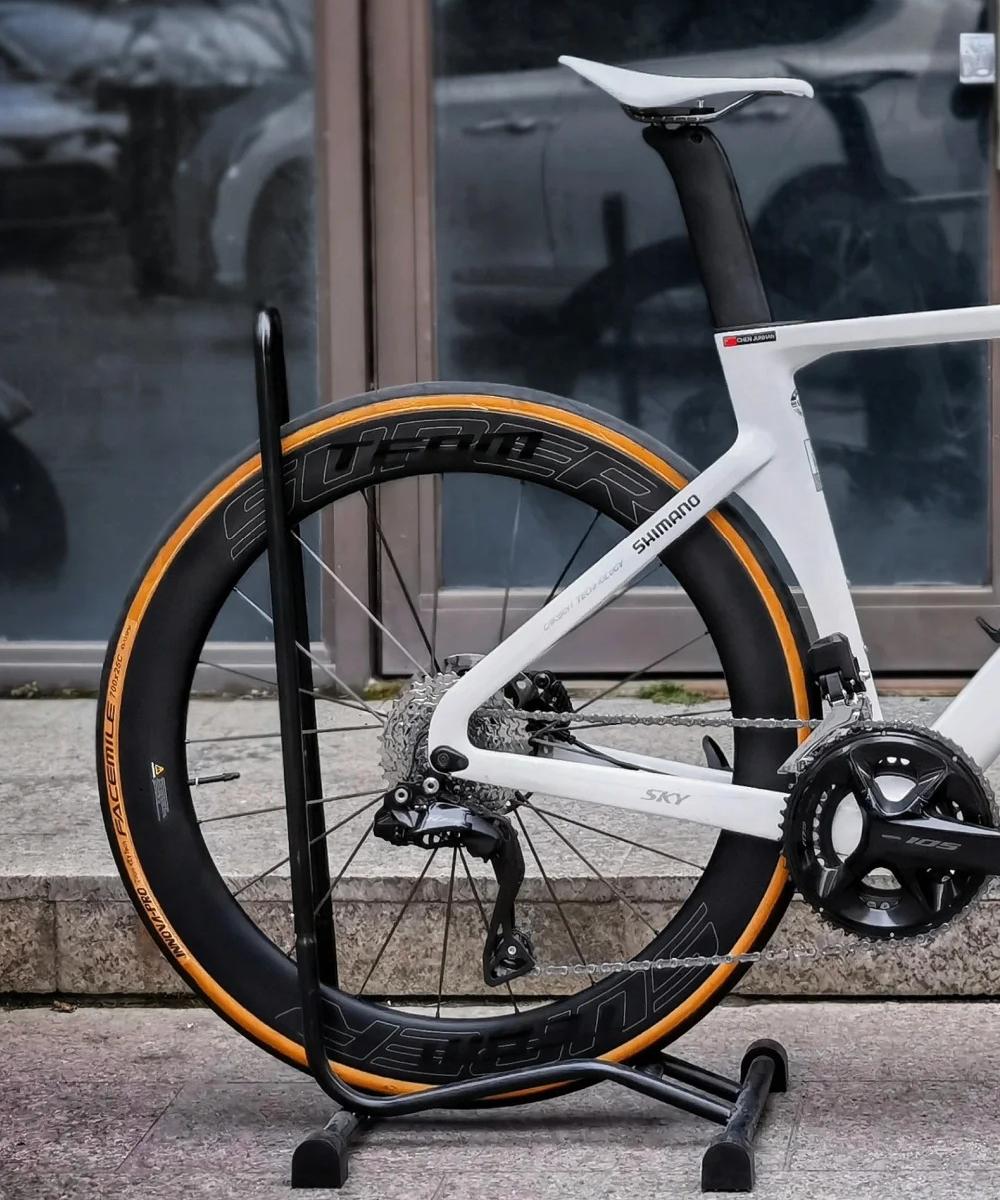
Your wheels are among the most critical components of your bike — and some of the most expensive to replace. Treating them like the precision instruments they are means tracking their individual mileage, just like you would for your drivetrain or suspension. Whether you ride Superteam aero wheels for racing or a reliable training set year-round, mileage data ensures both safety and peak performance every ride.