
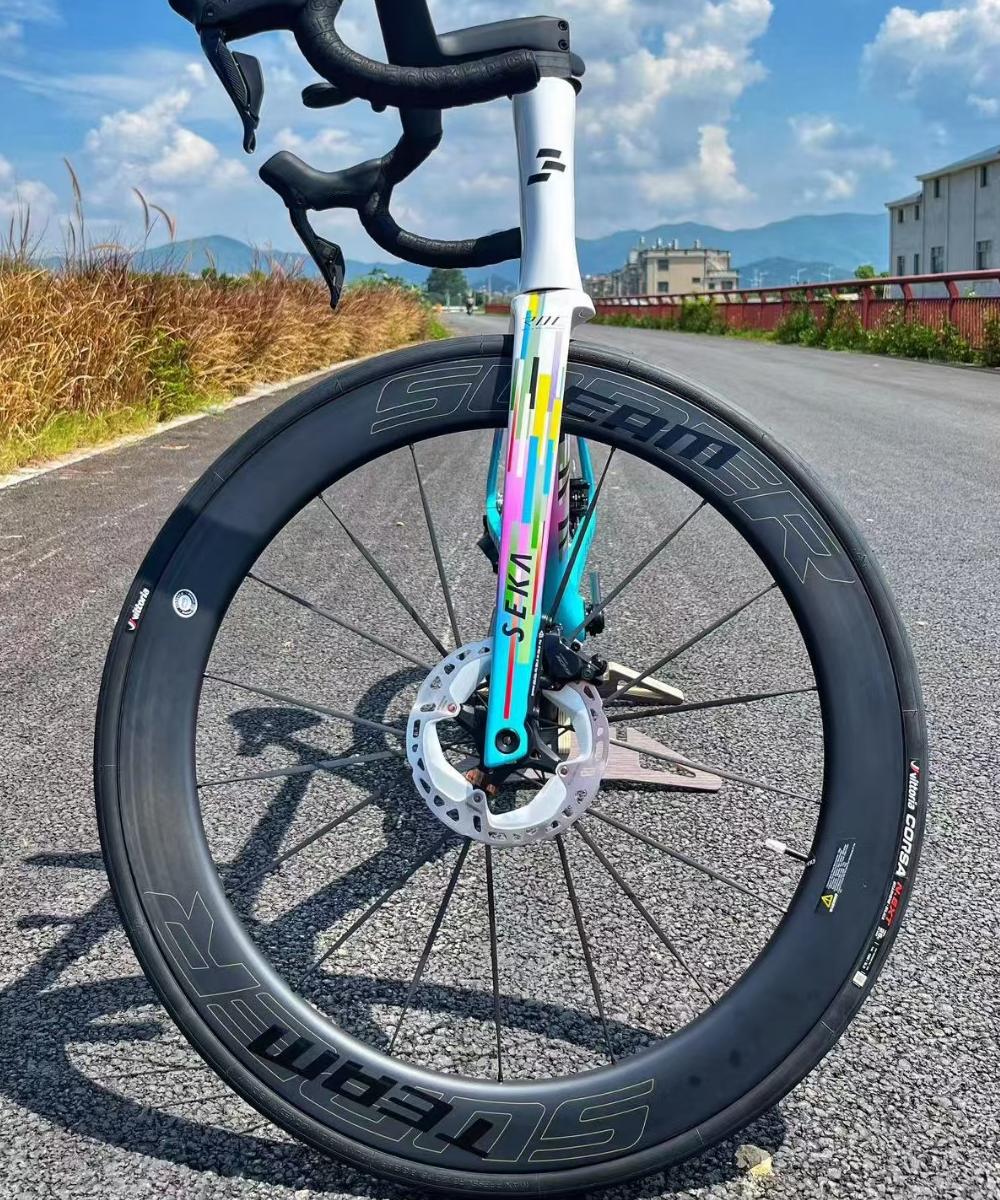
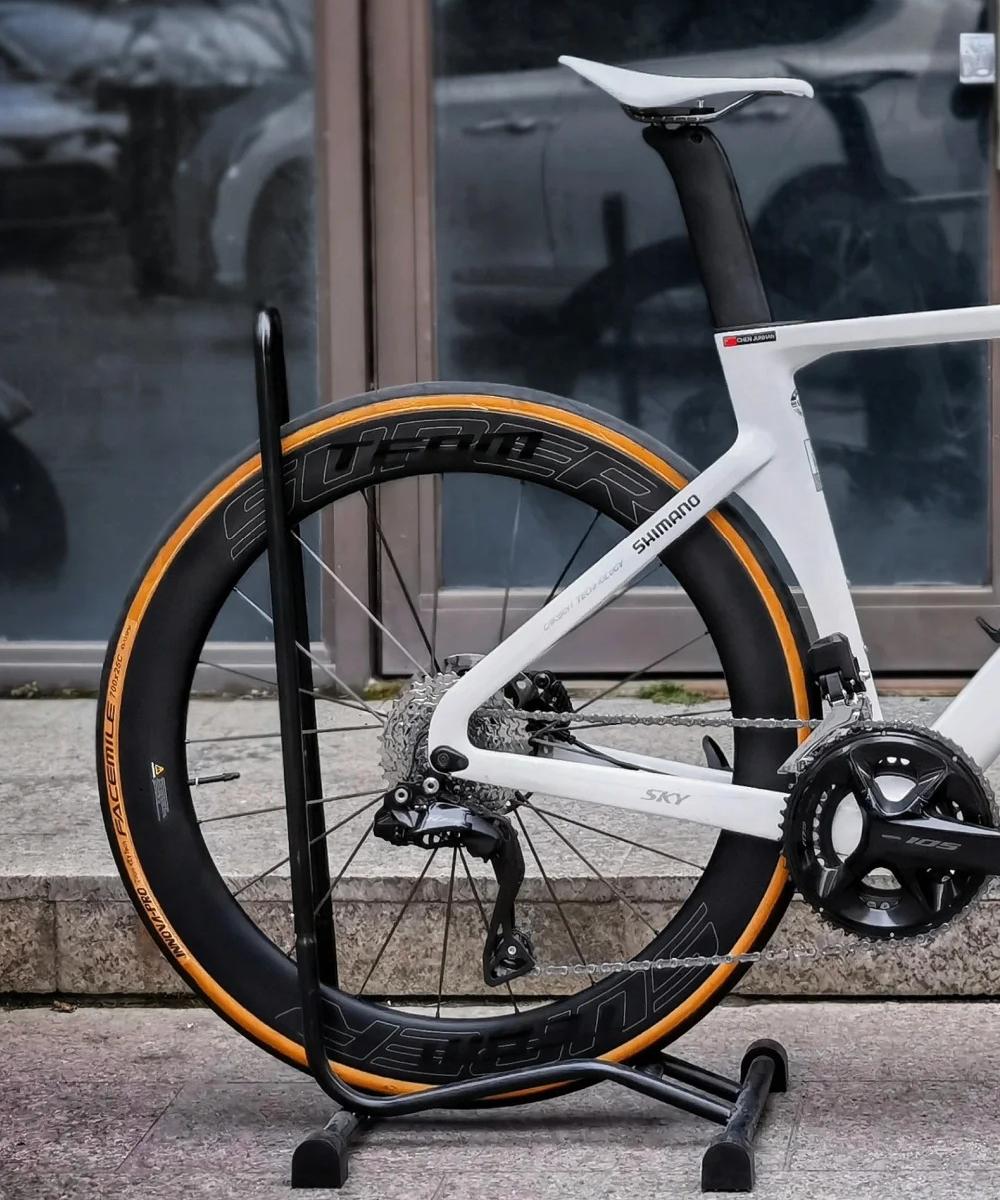
Wheel Pressure Tuning: Finding Your Ideal Balance Between Comfort and Grip
Getting your tire pressure right is one of the most underrated aspects of cycling performance. Whether you’re training or racing, the right pressure can dramatically affect comfort, control, and speed. Finding that “sweet spot” between too soft and too firm is both a science and an art—here’s how to do it.
1. Understand the Trade-Offs
Tire pressure directly affects how your wheels interact with the road. Higher pressure reduces rolling resistance on smooth surfaces but can lead to harsh rides and reduced grip. Lower pressure increases comfort and traction, especially on rough or uneven terrain, but too much deflation can slow you down and risk pinch flats. The goal is to balance efficiency with stability.
2. Consider Rider Weight and Tire Width
Heavier riders generally need higher pressures to prevent tire squish and maintain support, while lighter riders can run lower pressures for better comfort. Tire width also matters—a 28mm tire, for example, requires less pressure than a 25mm tire for the same rider because it has a larger air volume. The wider the tire, the more flexibility you have in lowering pressure without sacrificing performance.
3. Factor in Road Conditions
Smooth asphalt? You can run higher pressures—typically 85–95 psi for most road setups. Rough pavement, chip seal, or light gravel? Drop it slightly to 75–85 psi to absorb vibrations and maintain grip. If you ride in the rain, lowering your pressure by 5–10 psi helps increase traction and stability on slick surfaces.
4. Front vs. Rear Pressure Balance
Your rear tire carries more weight—about 55–60% of your total body and bike load—so it usually needs slightly higher pressure. A good starting point is setting the rear tire about 5–10 psi higher than the front. This helps balance comfort and handling, keeping your front end more responsive and grippy in corners.
5. Experiment with Tubeless Setups
If you’re using a tubeless setup, you can safely run lower pressures without worrying about pinch flats. This gives you a noticeable boost in comfort and control, especially on mixed terrain. Just make sure your sealant is fresh and your rims are airtight—both are critical for maintaining consistent performance at lower pressures.
6. Use Pressure as a Training Tool
Small adjustments in tire pressure can change how your bike feels and responds. During long endurance rides, try running slightly lower pressures for comfort. During interval or sprint training, raise it a bit to feel a more direct power transfer. Over time, you’ll develop an intuitive sense of what works best for your riding style and conditions.
Conclusion
Wheel pressure tuning is not a one-size-fits-all formula—it’s a personal optimization process. Your ideal setup depends on your weight, tire type, and the roads you ride. The best approach is to experiment within safe limits, record your pressures, and note how each change feels. With consistent tuning, you’ll discover the perfect balance of comfort, grip, and speed that makes every ride smoother and faster.