
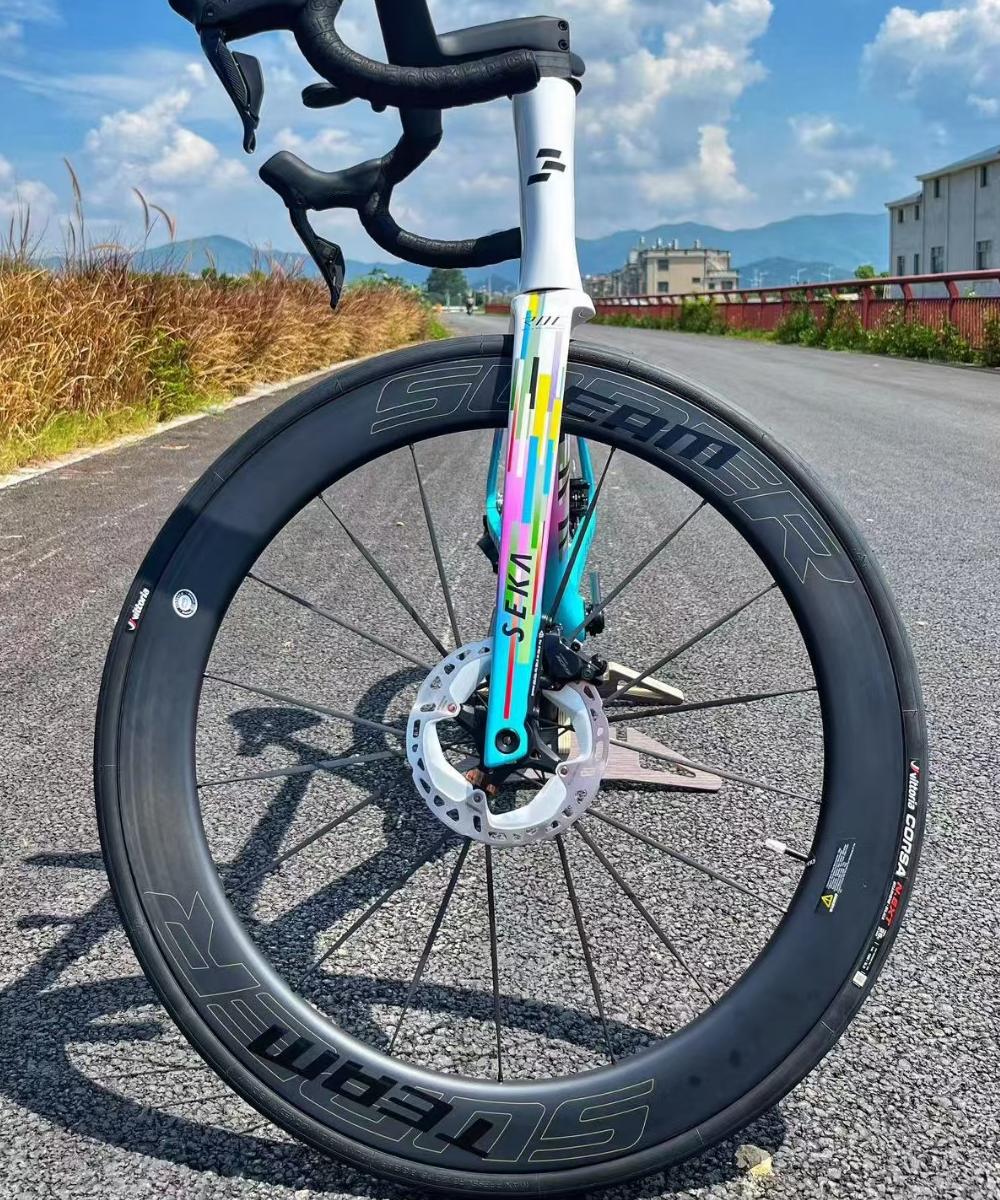

The Right Way to Clean Your Wheel Bearings
Wheel bearings are a critical component of any bike, allowing the wheels to spin smoothly and efficiently. Over time, dirt, grit, and moisture can accumulate in the bearings, leading to increased friction, wear, and even failure if left unchecked. Proper cleaning and maintenance not only prolong the life of your bearings but also ensure consistent performance and a smoother ride.
The first step in cleaning wheel bearings is to remove the wheel from the bike. For quick-release wheels, this is straightforward, but thru-axle wheels may require additional tools. Once removed, carefully take off the hub end caps and extract the bearings. Some hubs use sealed cartridge bearings, while others have loose ball bearings; knowing your hub type is essential before proceeding.
Next, prepare a cleaning area and appropriate materials. A small container, degreaser, lint-free cloths, and soft brushes are ideal. Avoid harsh solvents that can damage bearing seals or the grease inside. For cartridge bearings, soak them in a mild degreaser or use a dedicated bearing cleaner. Gently rotate the bearings while submerged to remove old grease, dirt, and grime. For loose ball bearings, carefully remove each ball and clean the raceways with a brush and degreaser, ensuring no particles remain.
After cleaning, it’s essential to inspect the bearings for signs of wear or damage. Look for pitting, scratches, or rough rotation. Any bearings that feel gritty or exhibit resistance should be replaced rather than reused, as worn bearings compromise performance and can damage the hub.
Once clean and inspected, re-grease the bearings before reinstallation. Use high-quality bicycle-specific grease, applying enough to coat all surfaces but avoiding overfilling, which can attract dirt. For cartridge bearings, apply a light coating inside the bearing shell. For loose ball bearings, ensure each ball and raceway receives adequate lubrication.
Finally, reassemble the hub and wheel carefully, ensuring all components are seated correctly and that there is no binding. Spin the wheel to verify smooth rotation and proper bearing preload. Properly adjusted bearings should rotate freely without lateral play or excessive friction.
Routine bearing maintenance can prevent many common wheel issues. Cleaning and greasing your bearings periodically—especially after wet or muddy rides—ensures that your wheels remain smooth, responsive, and long-lasting. By following the right steps, you can extend the life of your wheelset and enjoy a more efficient, enjoyable ride.