
Sprint Efficiency: Matching Wheel Stiffness to Pedal Power
In sprinting, explosive power and speed demand more than strong legs—your equipment plays a crucial role in how effectively that power is transferred to the road. Wheel stiffness, in particular, directly affects sprint efficiency. The right balance between stiffness and responsiveness ensures that every watt of effort translates into acceleration without unnecessary energy loss.
1. Why Wheel Stiffness Matters
When a rider sprints, the sudden surge of torque places extreme lateral and torsional loads on the wheels. A wheel that’s too flexible may flex sideways, causing brake rub, tire scrub, or delayed power transfer. Conversely, an overly stiff wheel can feel harsh, limiting traction and comfort. The goal is to match stiffness to your power profile and sprinting style.
2. Spoke Count and Lacing Patterns
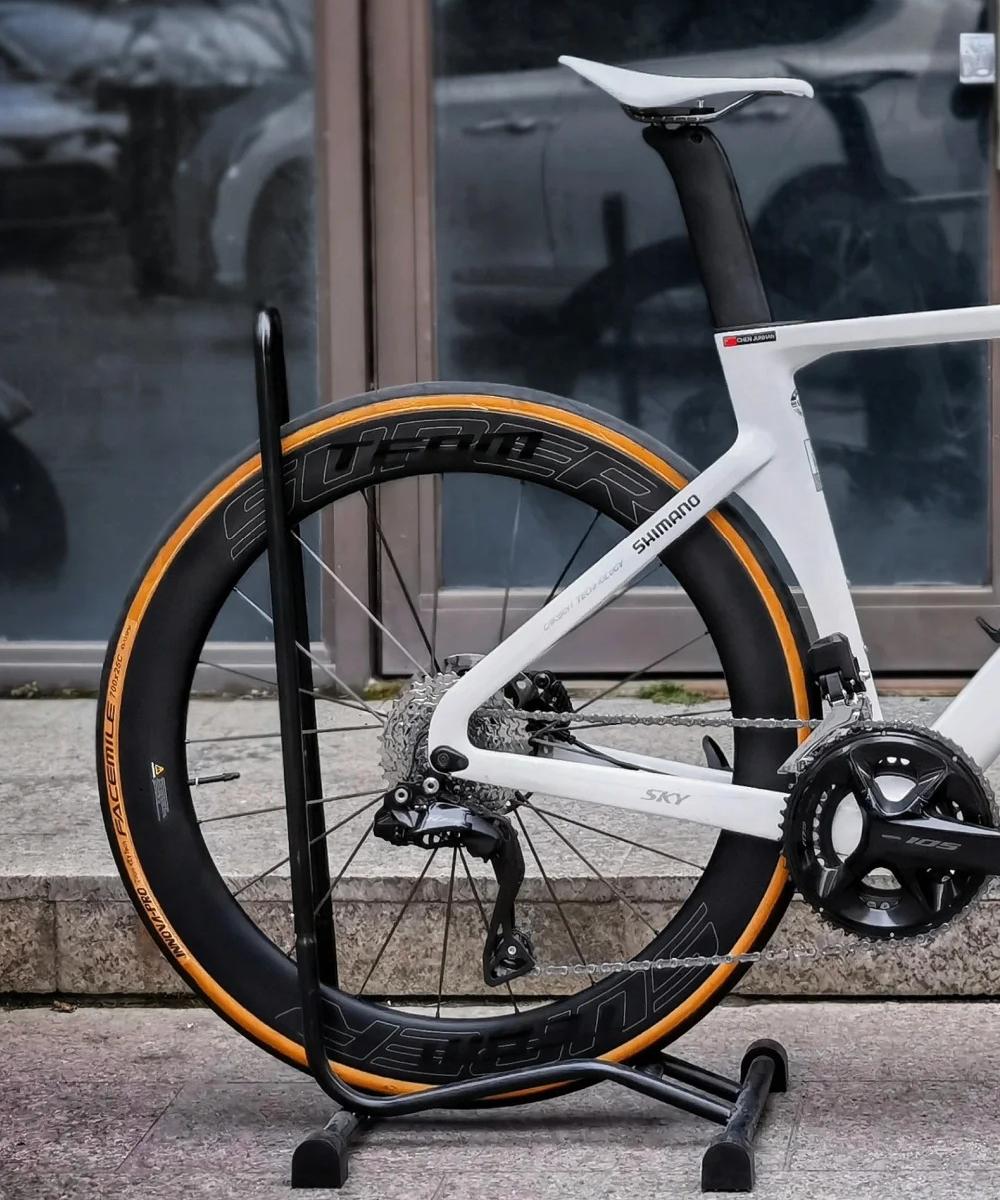
High spoke counts and more robust lacing patterns—such as 2:1 or crossed lacing—enhance lateral stiffness, making wheels more responsive under sprint forces. Aero spokes and optimized tension ensure strength without sacrificing speed. Racers with explosive sprints often benefit from stiffer lacing patterns to handle the sudden load.
3. Rim Depth and Material
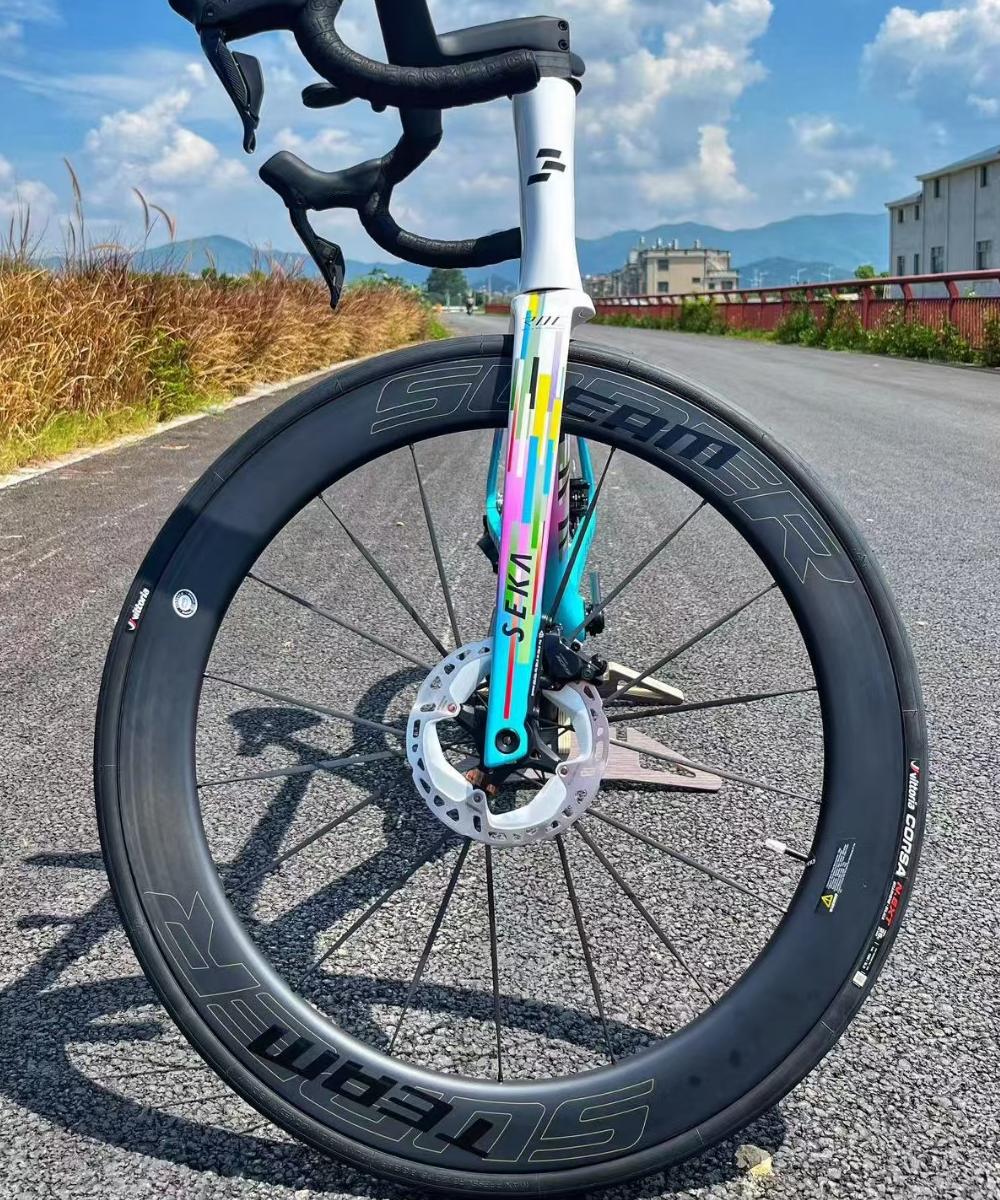
Deeper carbon rims inherently increase torsional stiffness, which helps maintain wheel integrity under power surges. Carbon, being less prone to deformation than aluminum, excels in sprint situations. However, deeper rims add weight, so sprinters must weigh aero gains against rapid acceleration needs.
4. Hub Engagement
Instant power transfer requires fast and reliable hub engagement. A hub with high engagement points reduces lag between pedal stroke and wheel movement, giving sprinters a sharper, more immediate response. Combined with stiff rims and spokes, this creates a system designed for explosive acceleration.
5. Matching Wheelset to Rider Power
High-Power Sprinters: Riders generating 1200+ watts should favor stiffer wheelsets with reinforced rims, higher spoke tension, and performance hubs to minimize energy loss.
All-Rounders: Moderate-power riders may benefit from a balance of stiffness and compliance to avoid fatigue while still enjoying responsive sprints
Endurance Riders: For those who sprint less frequently, overly stiff wheels may not be necessary; lighter, more compliant wheels may offer better overall performance.
6. Tire Choice and Pressure
Stiff wheels amplify the importance of proper tire setup. Wider tires at optimized pressures help maintain grip and stability during out-of-saddle efforts, ensuring that power isn’t wasted through tire slip.
Conclusion
Sprint efficiency depends on more than leg strength—it requires a wheelset tuned to your pedal power. By choosing wheels with the right stiffness, spoke configuration, hub engagement, and tire setup, riders can maximize acceleration and ensure that every watt drives them forward in the sprint finish.