
Road Cycling Rims Buyer’s Guide: How to Choose the Best 700c Rim for Your Bike
Choosing the right 700c road cycling rim is one of the most important upgrades you can make to your bike. The rim affects aerodynamics, stiffness, comfort, tire compatibility, and overall ride feel. With so many options available—aluminum, carbon, aero profiles, tubeless-ready designs—selecting the best rim can feel overwhelming. This guide breaks down the key factors to consider so you can make an informed, performance-focused choice.
1. Rim Material: Carbon vs. Aluminum
Carbon Rims
Pros: Lightweight, aerodynamic, stiff, vibration-damping
Cons: Higher cost, requires proper brake pads (for rim brake models)
Best for: Performance-focused riders, racers, climbers, long-distance riders
Aluminum Rims
Pros: Affordable, durable, excellent for training
Cons: Heavier, less aero
Best for: Budget builds, heavy use, winter/training wheels
Tip: If your priority is maximum performance, carbon 700c rims are hard to beat. If durability and price matter more, aluminum may be perfect.
2. Rim Depth: Aero vs. All-Rounder vs. Climbing Rims
Shallow (20–35mm)
Light and responsive
Best for climbing and all-weather control
Ideal for beginners or riders in windy regions
Mid-Depth (40–55mm)
Balanced aerodynamics and stability
Most popular choice for all-round road cycling
Suitable for racing, group rides, and daily training
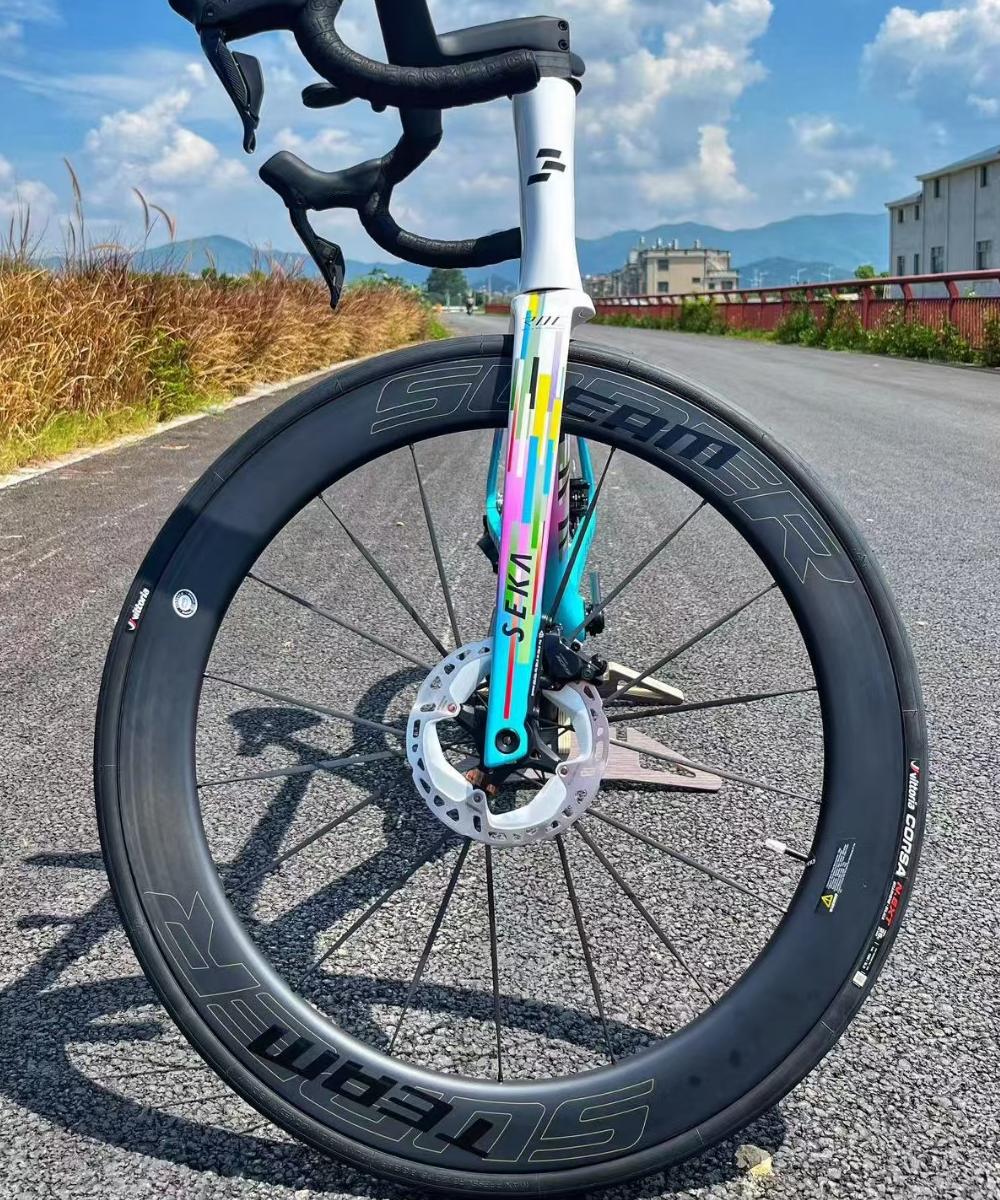
Deep (60mm+)
Maximum aero benefit
Best for flat roads and time trials
Requires confident handling in crosswinds
Tip: Most riders do best with a mid-depth 45–50mm rim.
3. Internal Rim Width: Tire Compatibility & Comfort
Modern road rims are wider to fit wider tires.
17–19mm internal width: Traditional performance setups (23–25mm tires)
19–21mm: Ideal for 25–28mm tires
21–25mm: Best for 28–32mm tires, comfort, and stability
A wider internal width increases:
Cornering confidence
Air volume for comfort
Lower rolling resistance
Tip: Choose a rim width that matches your preferred tire size for optimum performance.
4. Rim Brake vs. Disc Brake Rims
Disc Brake Rims
No brake track → lighter & more durable
Better stopping in all weather
Perfect for modern road bikes
Rim Brake Rims
Compatible with older frames
Require carbon-specific pads
Less common but still available
Tip: If your bike supports disc brakes, choose disc-specific rims for better overall performance.
5. Tubeless vs. Clincher vs. Tubular
Tubeless-Ready Rims
Lower rolling resistance
Fewer flats
Better comfort
Becoming the standard for 700c wheels
Clincher Rims
Easy tire installation
Most widely used
Compatible with tubes or tubeless (if TLR rated)
Tubular Rims
Lightweight racing choice
Harder to repair
Typically used only by professionals
Tip: Choose tubeless-ready for the best modern performance and versatility.
6. Weight and Stiffness Considerations
Lighter rims accelerate faster and climb better
Stiffer rims improve power transfer and cornering
Aero rims may weigh more, but reduce drag significantly
Match weight to riding style:
Climbers: Prioritize lightweight shallow rims
Sprinters: Choose stiff, mid-deep profiles
Endurance riders: Select wider rims that support wider tires
7. Hub & Spoke Compatibility
Your rim choice must match:
Spoke hole count (e.g., 24/24 or 24/28)
Hub type (disc center lock / 6-bolt, rim brake)
Lacing patterns (2-cross or radial front)
More spokes = stronger wheel for heavier riders or rougher roads.
8. Budget and Value
You can find excellent 700c rims at every price point:
$300–$400: Mid-tier alloy or basic carbon
$400–$900: Quality carbon rims with aero profiles
$900+ top-tier race-level carbon rims
Tip: For the best value, mid-range carbon rims offer the greatest performance-to-cost ratio.
Conclusion: Choosing the Right 700c Rim
To select the best 700c road cycling rim for your bike, focus on your riding style and goals:
Want speed? Choose deep aero rims.
Want comfort and versatility? Go for wide, tubeless-ready mid-depth rims.
Want climbing performance? Pick lightweight shallow rims.
On a budget? Aluminum rims may be perfect.
With the right combination of depth, width, material, and brake compatibility, your upgraded rim can significantly enhance your bike’s speed, stability, and overall ride quality.