
Low Spoke Count vs High Spoke Count: Which Carbon Wheelset Performs Better?
One of the most common questions cyclists ask when choosing a carbon fiber wheelset is whether they should pick a low-spoke or high-spoke configuration. Both designs offer distinct performance advantages and disadvantages, depending on the riding conditions, rider weight, and intended use. This article compares the two approaches in detail, helping riders make an informed decision.
1. Structural Differences
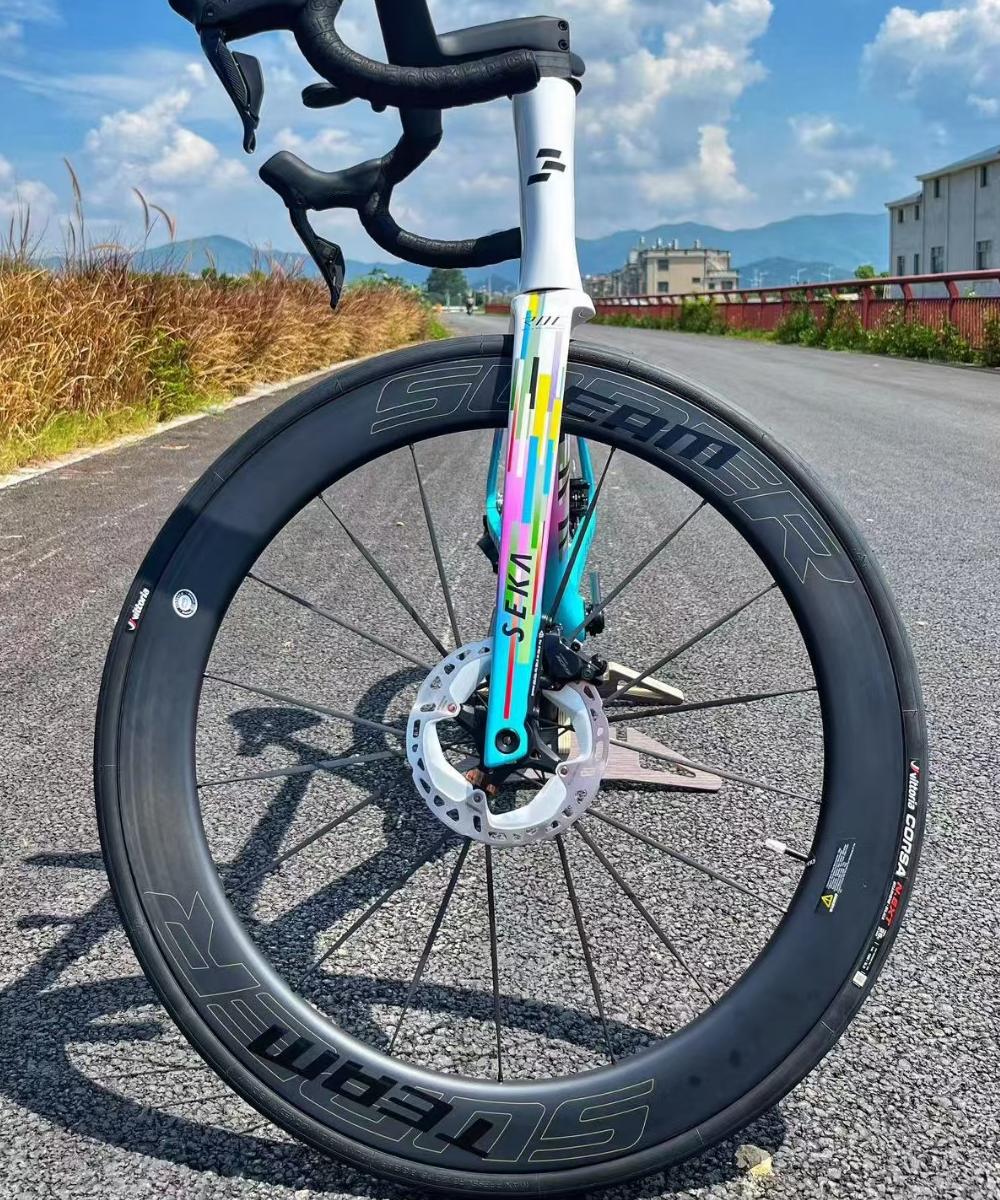
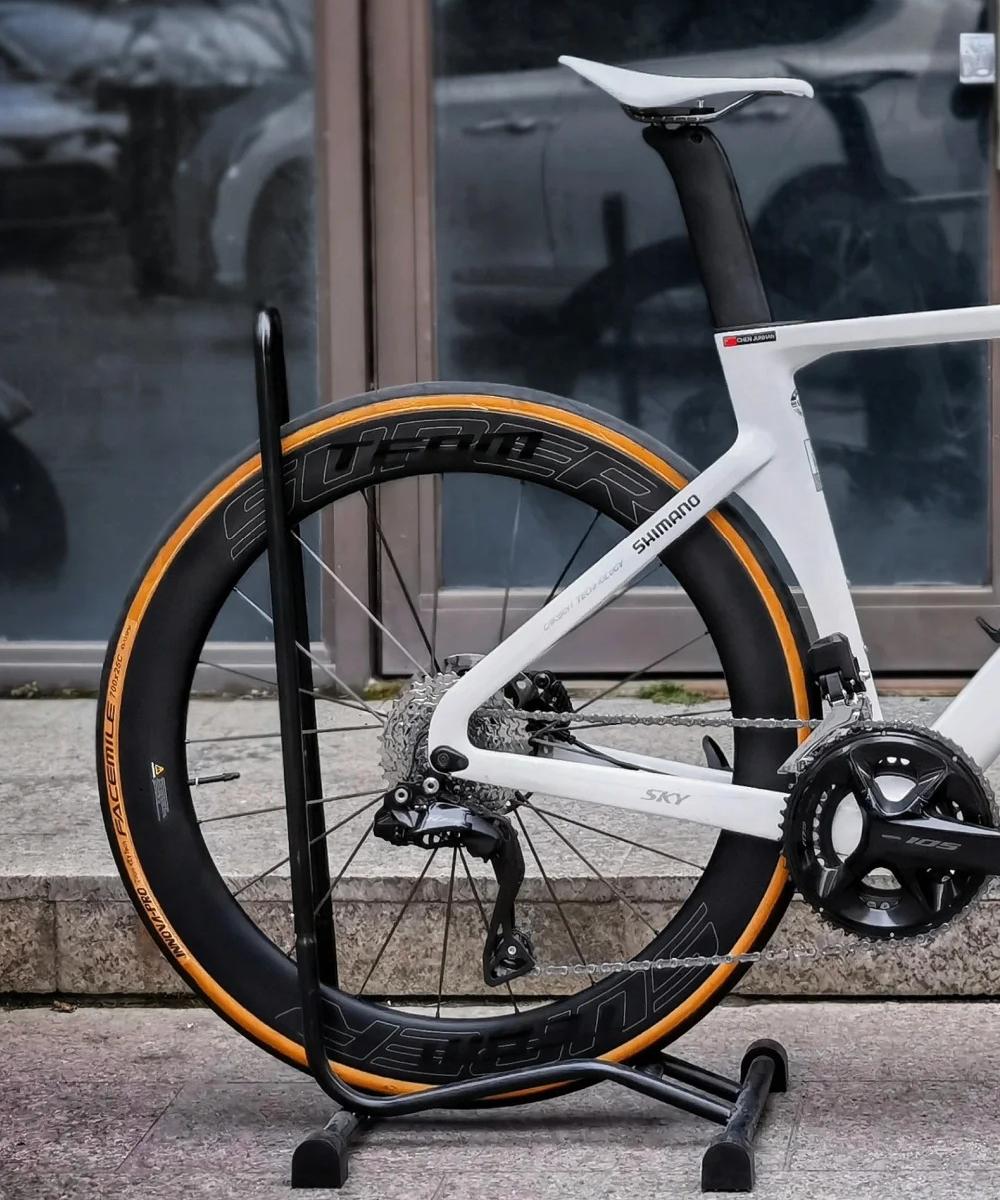
A low-spoke-count wheel typically has 16–21 spokes in the front and 18–24 in the rear. High-spoke-count wheels may feature 24–32 spokes. The lower the spoke count, the more stress each spoke must handle. Conversely, high spoke numbers distribute the load more widely, reducing strain on individual components.
Carbon rims are very strong vertically, but they depend on spoke tension to maintain lateral stiffness. This is why spoke count directly impacts the overall structural behavior of the wheel.
2. Performance of Low-Spoke Wheels
Low-spoke-count carbon wheels are designed for speed. With fewer spokes interrupting airflow, they deliver a clear aerodynamic benefit that becomes even more apparent at higher speeds and with deeper rim profiles.
Advantages of low-spoke wheels:
Better aerodynamics
Lighter rotational mass
Faster acceleration on flat terrain
Sleek appearance
However, these benefits come with trade-offs. Low-spoke wheels may be less durable on rough roads, more prone to going out of true, and less suitable for heavier riders. Reduced spoke count also means the wheel may flex more under high torque, which can affect power transfer.
3. Performance of High-Spoke Wheels
High-spoke-count wheels prioritize strength and stability. Their structure makes them ideal for riders who frequently climb, ride uneven roads, or participate in long-distance endurance events.
Advantages of high-spoke wheels:
Better load distribution
Improved durability
Enhanced stiffness under heavy torque
Greater serviceability
Stable handling in crosswinds
The downsides include slightly higher weight and reduced aerodynamic efficiency. For competitive racing, these factors may influence top speed, but for daily riding or climbing, the advantages are often more relevant.
4. Rider Weight and Power Considerations
Heavier riders (85 kg / 187 lbs and above) generally benefit from wheels with more spokes. The additional support minimizes the risk of spoke breakage and maintains wheel alignment. Similarly, powerful sprinters generate high lateral forces that lower-spoke wheels may not manage effectively.
Lightweight riders, especially climbers, may favor fewer spokes if they prioritize acceleration and responsiveness. The reduced mass gives them an advantage during rapid changes in pace.
5. Road Conditions and Use Cases
| Riding Condition | Best Choice | Why |
|---|---|---|
| Smooth flat roads | Low-spoke | Maximize aero and speed |
| Mountain climbing | Medium/high spoke | Better stiffness under torque |
| Rough roads/gravel | High-spoke | Durability and stability |
| Racing | Low-spoke | Aerodynamic advantage |
| Endurance | High-spoke | Comfort and reliability |
6. What Do Professionals Use?
Professional cyclists typically use low-spoke wheels during time trials and flat road races. However, during mountain stages or cobblestone classics, they switch to wheels with more spokes to prioritize stability and durability. This shift underscores that there is no “one-size-fits-all” solution.
Conclusion
Low-spoke-count carbon wheelsets shine in speed, aerodynamics, and lightweight performance. High-spoke wheels excel in durability, stability, and strength. The best choice depends on the rider’s weight, preferred terrain, and riding goals. Understanding these differences ensures cyclists select the wheelset that truly enhances their riding experience.