
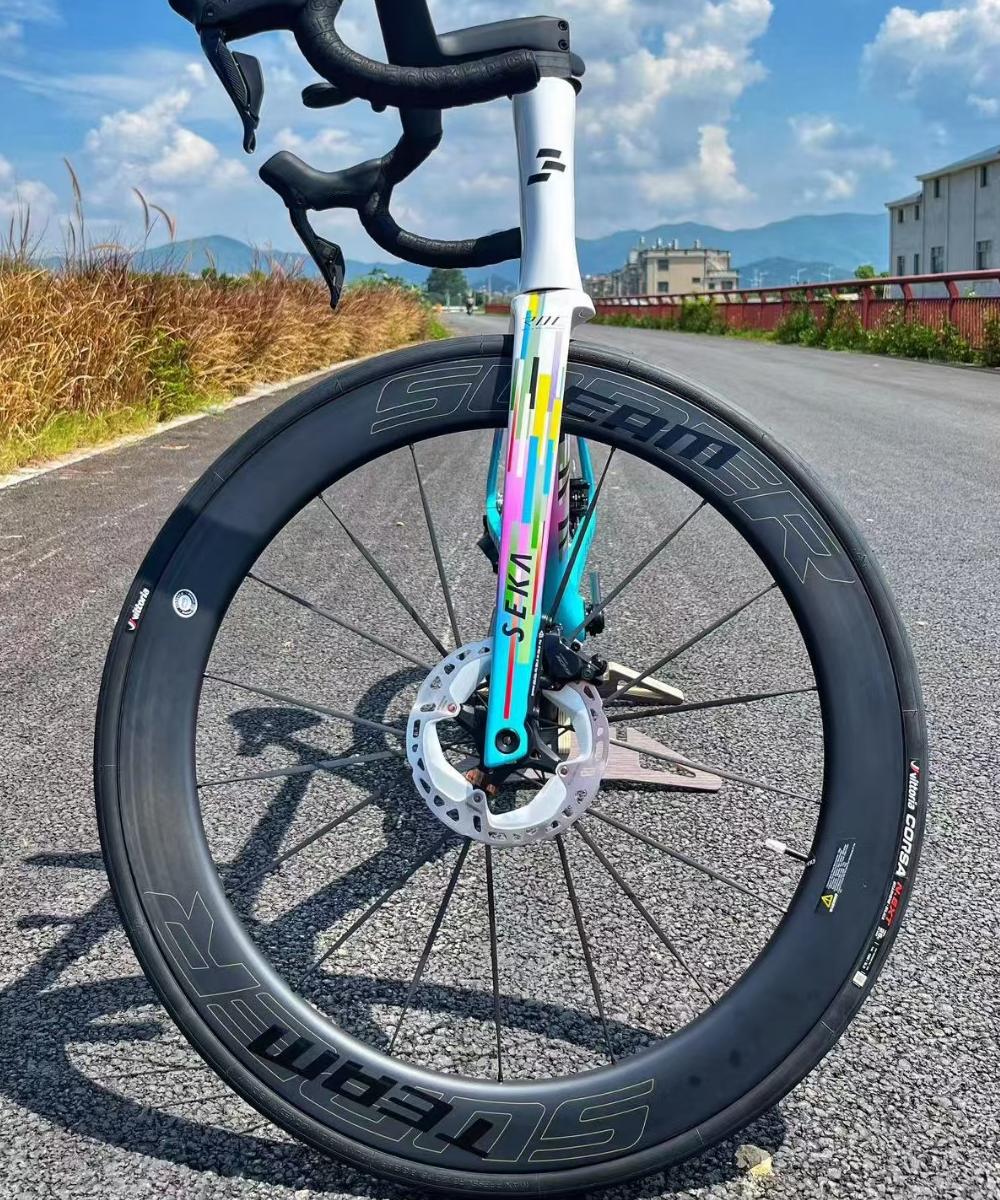

Is It Safe to Ride a Bike With No Hands? Risks, Tips, and Best Practices
Riding a bike with no hands can be fun and useful—but is it safe? The answer depends on how and where you do it. In this article, we’ll explore the risks, safety tips, and best practices for hands-free cycling.
Potential Risks
While many cyclists practice hands-free riding, it comes with risks:
Reduced control in emergencies
Difficulty braking quickly
Increased chance of losing balance
Higher risk in traffic or crowded areas
When It’s Safe
Hands-free riding is safest when:
You’re on a straight, open road
There’s minimal traffic
The surface is smooth and predictable
Weather conditions are stable
When to Avoid It
Avoid riding without hands in:
Heavy traffic
Wet or slippery roads
Strong winds
Downhill sections
Urban environments
Essential Safety Tips
Always keep your hands close to the bars
Wear protective gear
Practice in controlled environments
Stay aware of your surroundings
Skill Level Matters
Beginners should master:
Basic bike control
Smooth braking
Turning and balance
before attempting hands-free riding.
Legal Considerations
In some areas, riding without hands may be discouraged or restricted. Always follow local traffic laws and prioritize safety.
Best Practices
Practice gradually
Stay relaxed and focused
Avoid distractions
Be ready to react quickly
Conclusion
Riding a bike with no hands can be safe if done responsibly. Understanding the risks and practicing in the right conditions will help you enjoy this skill without compromising safety.