
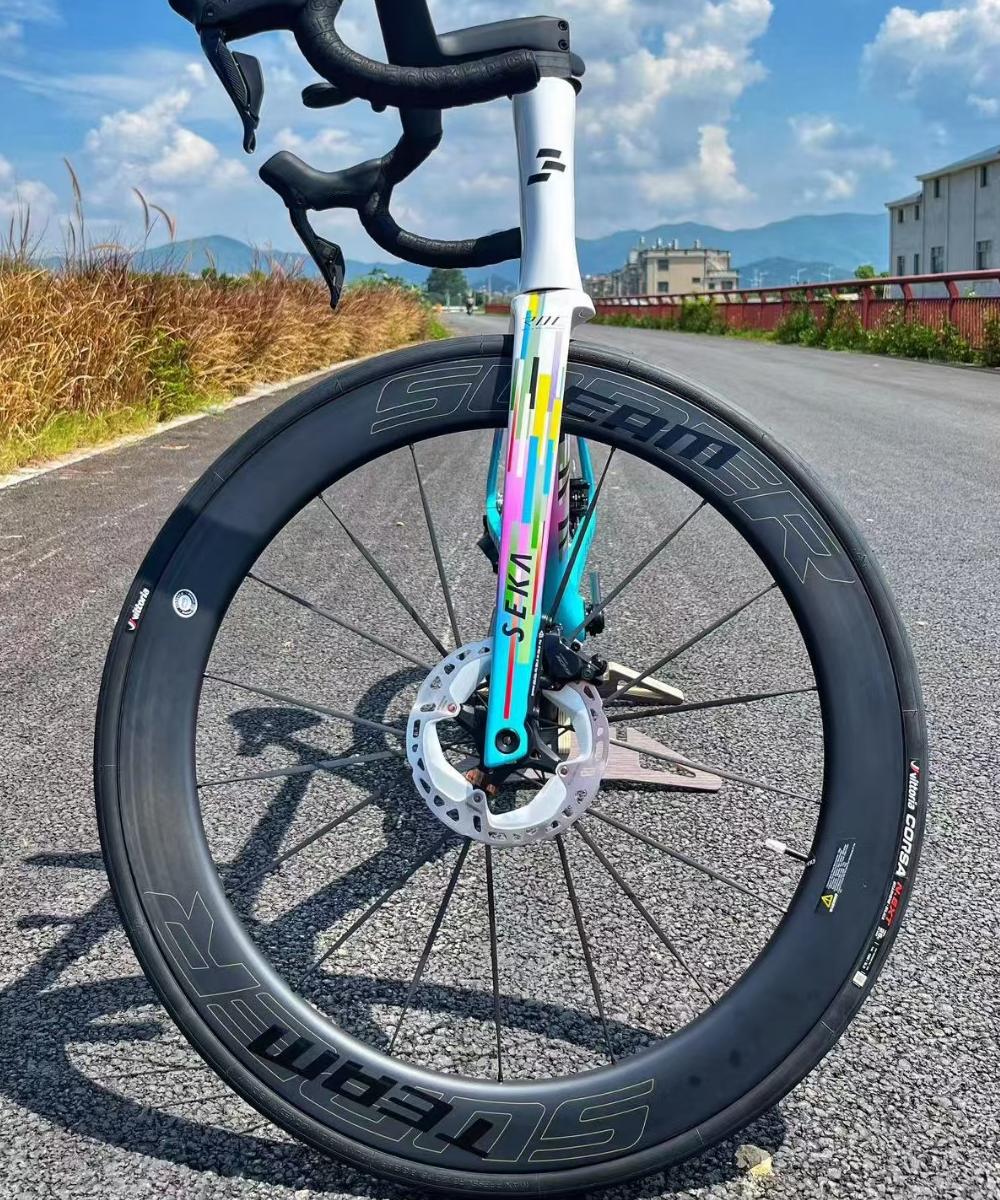

How Temperature Variations Affect Carbon Wheelset Integrity
Introduction: Why Temperature Matters for Carbon Wheels
Carbon fiber wheelsets are prized for their lightweight, stiffness, and aerodynamic performance, but they are not immune to environmental stress. One factor that’s often overlooked is temperature variation. Whether you're climbing in scorching summer heat or descending alpine passes in the cold, temperature can impact the resin systems, brake tracks, and overall structural integrity of your carbon wheels.
In this article, we explore how heat and cold affect carbon wheelsets, what signs to watch for, and how to protect your investment in extreme riding conditions.
1. How Carbon Fiber Reacts to Heat and Cold
Carbon fiber itself is highly heat-resistant, but the resin (epoxy) that holds the carbon layers together is more vulnerable. Manufacturers use different resin systems with varying glass transition temperatures (Tg)—the point at which the resin softens.
Above Tg: Resin may begin to deform or lose strength
Below Tg: The resin remains solid and performs as expected
Most modern carbon wheels are designed to withstand brake track temperatures up to 200–250°C, but excessive or prolonged heat—such as during heavy braking on long descents—can exceed that limit.
2. High Temperature Risks
➤ Rim Brake Overheating
Rim brake systems generate significant heat at the brake track. This can lead to:
Resin softening → warping, or delamination
Blowouts → tube/tire failure due to overheating
Surface degradation → loss of braking power
Disc brakes greatly reduce these risks by moving heat generation away from the rim.
Hot Storage Conditions
Leaving carbon wheels in a car trunk, direct sunlight, or an enclosed van during summer can elevate temperatures beyond safe limits. Prolonged exposure can weaken the rim structure or degrade adhesives used in bonding.
3. Cold Temperature Effects
While cold doesn’t soften resin, it can still have subtle effects:
Brittleness: At very low temperatures (below -10°C), resins may become less impact-resistant
Tubeless complications: Sealant viscosity increases, risking poor sealing or bead retention
Contraction mismatch: Different materials (carbon, aluminum hubs) expand/contract at different rates, potentially stressing spoke tension or interfaces
Riders in freezing climates should inspect wheels for cracks or stress fractures more frequently.
4. How to Protect Your Wheels
✅ Use Disc Brakes When Possible
Heat is dissipated at the rotor instead of the rim, eliminating brake-induced rim overheating.
✅ Choose High-Tg Resin Wheels
Look for wheels with heat-resistant resin systems (e.g., Tg > 240°C). Brands like Superteam often specify this in product descriptions.
✅ Avoid Prolonged Heat Exposure
Don’t store carbon wheels in parked cars, especially in direct sunlight during summer.
✅ Let Rims Cool on Long Descents
If using rim brakes, modulate braking to avoid constant pressure and give rims time to cool.
✅ Use Correct Brake Pads
Always use manufacturer-recommended carbon-specific pads. Mismatched pads can cause uneven heat buildup and damage.
✅ Check Tubeless Sealants Seasonally
In cold months, use low-viscosity sealants designed for sub-freezing temperatures to maintain bead integrity.
5. Warning Signs of Heat or Cold Damage
Visible bubbling or warping on brake tracks
Hairline cracks or resin discoloration
Softened rim edge near spoke holes
Bead seat deformation
Unusual brake pulsing (rim brake systems)
If you notice any of these, it’s best to consult the wheel manufacturer or a trusted mechanic before riding further.
Conclusion: Respect the Elements for Longevity
While carbon wheelsets are built to perform in challenging environments, extreme temperature variations can compromise their integrity if not managed properly. Choosing quality wheels, riding smart, and storing them with care will keep your carbon rims performing—and looking—great for years to come.
As carbon tech continues to evolve, expect even greater temperature resistance in the next generation of wheels. But for now, a little awareness goes a long way in preserving your performance and safety.