
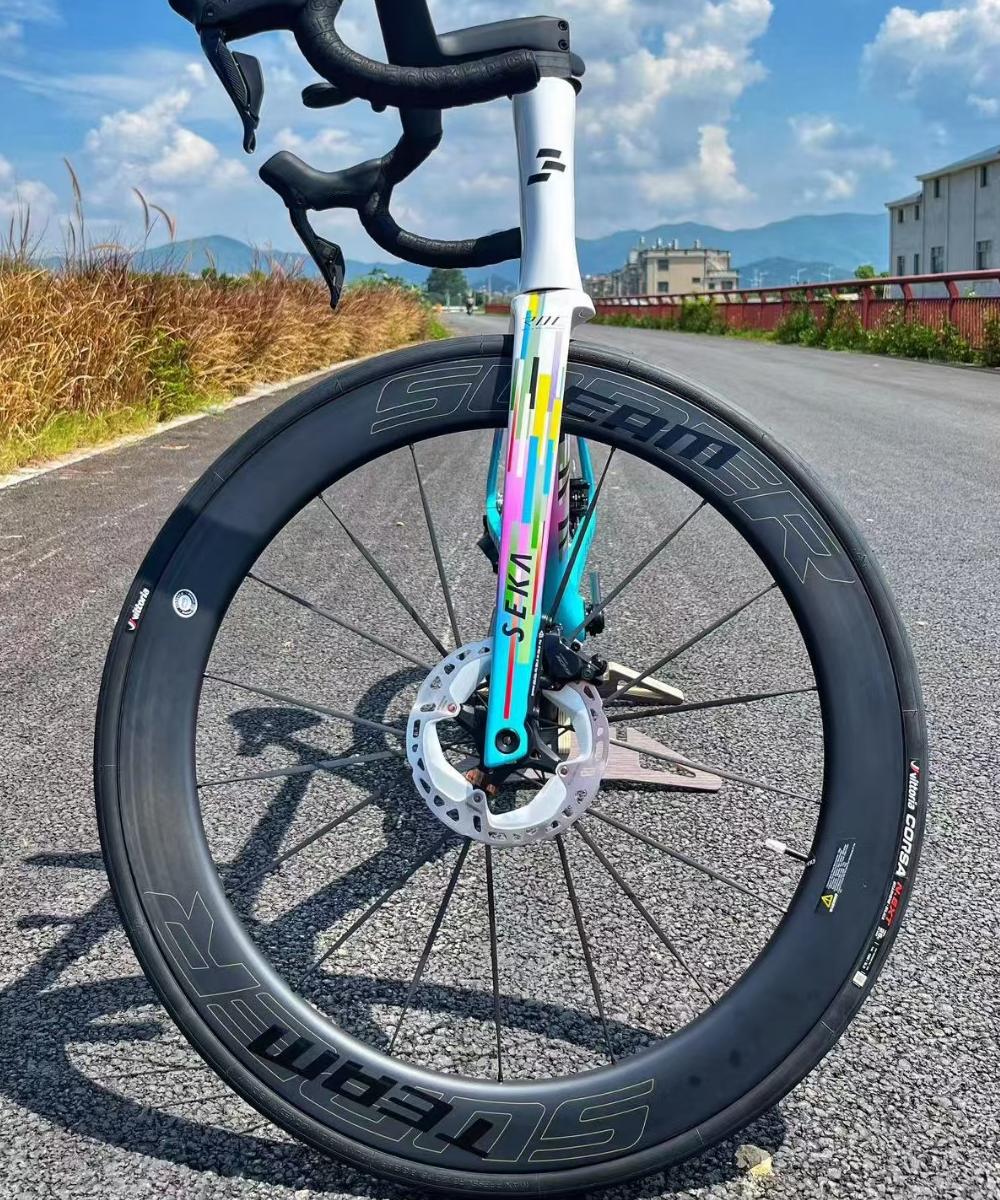

How Gravel Wheels Are Built to Absorb Impacts on Rough Terrain
Gravel riding has rapidly grown in popularity due to its versatility, allowing cyclists to transition seamlessly between paved roads and rugged terrain. One of the most critical components enabling this adaptability is the gravel wheel. Unlike traditional road bike wheels, gravel wheels are specifically engineered to handle impacts and rough surfaces without compromising performance or durability.
Understanding Impact Forces in Gravel Riding
When riding on gravel roads, riders encounter uneven surfaces, loose stones, potholes, and sudden drops. Each of these creates impact forces that travel through the tire, rim, spokes, and hub. If a wheel is not designed to handle these forces, it can lead to rim deformation, spoke failure, or even complete wheel collapse.
Gravel wheels are designed to dissipate these forces efficiently, reducing stress on individual components and enhancing overall durability.
Wider Rims for Better Impact Distribution
One of the key features of gravel wheels is their wider rim profile. Compared to standard road wheels, gravel rims are designed to support wider tires, typically ranging from 30mm to 50mm.
Wider rims allow the tire to spread out more evenly, increasing the contact patch with the ground. This not only improves grip but also helps distribute impact forces across a larger surface area. As a result, sudden shocks from rocks or uneven terrain are less likely to cause damage.
Lower Tire Pressure for Natural Suspension
Another major factor in impact handling is tire pressure. Gravel bikes typically run lower tire pressures than road bikes. This creates a natural cushioning effect, allowing the tires to absorb vibrations and shocks before they reach the rim.
Lower pressure reduces the likelihood of pinch flats and minimizes the harshness of rough terrain. It also enhances rider comfort, which is crucial for long-distance gravel rides.
Reinforced Rim Construction
Gravel rims are built to be stronger than traditional road rims. Many feature reinforced sidewalls and thicker carbon or aluminum layers. This added strength helps the rim withstand repeated impacts from rough terrain.
Modern carbon gravel wheels often incorporate advanced layup techniques that balance stiffness and compliance. This ensures that the wheel is strong enough to resist damage while still providing some flex to absorb shocks.
Spoke Design and Tension
Spokes play a crucial role in handling impacts. Gravel wheels typically use more durable spokes, such as straight-pull or bladed spokes, which are designed to handle higher stress levels.
The spoke tension is carefully calibrated to provide a balance between stiffness and flexibility. When an impact occurs, the spokes help distribute the load across the wheel, preventing localized stress points that could lead to failure.
Tubeless Technology Enhances Durability
Most gravel wheels are designed to be tubeless-compatible. Tubeless systems allow riders to run lower tire pressures without the risk of pinch flats. Additionally, the sealant inside tubeless tires can automatically repair small punctures caused by sharp gravel.
This significantly reduces the chances of sudden tire failure and enhances the overall reliability of the wheel system.
Conclusion
Gravel wheels are engineered to handle impacts and rough roads through a combination of wider rims, lower tire pressure, reinforced construction, and advanced spoke design. These features work together to absorb shocks, distribute forces, and ensure durability in challenging conditions.
For riders who want to explore beyond smooth pavement, investing in high-quality gravel wheels is essential for both performance and safety.