
Gravel Riding: How Wheel Choice Affects Comfort and Control
Gravel riding demands a balance between speed, stability, and comfort, and wheel choice plays a decisive role in how a bike handles rough terrain. Unlike smooth road conditions, gravel surfaces introduce constant vibration, loose footing, and unpredictable obstacles, which means riders need wheels that enhance both control and ride quality.
Rim width is one of the biggest factors influencing comfort and stability. Wider rims allow tires to spread out more, increasing the contact patch with the ground. This improves grip on loose surfaces and provides a more cushioned ride. Narrow rims, while lighter, often force tires into a rounder profile that can feel twitchy and less secure on gravel.
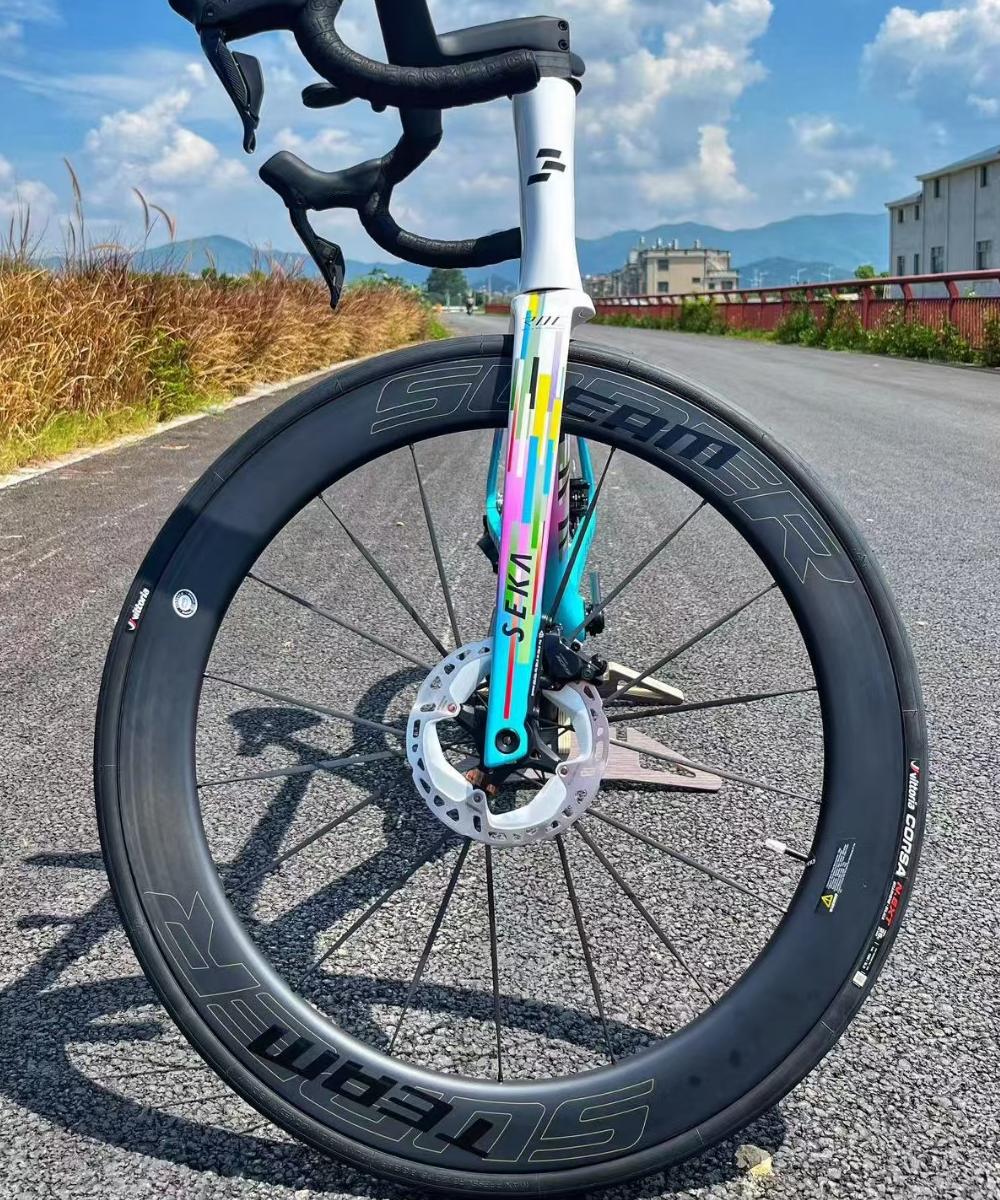
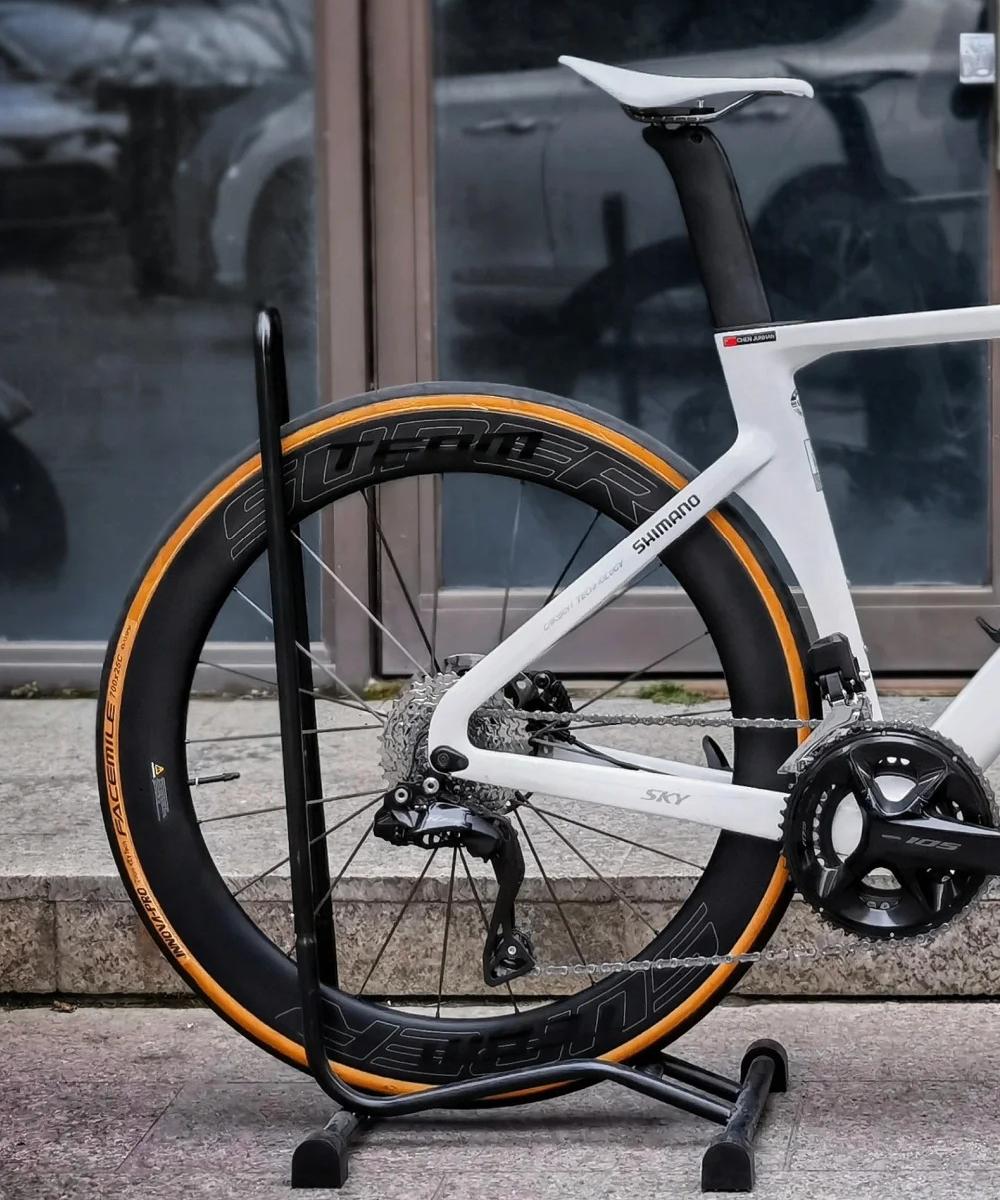
Wheel depth also affects control. Deep-section rims may offer aerodynamic benefits on smoother roads, but in gravel riding, they can be more challenging to handle in crosswinds and often transmit more vibration. Shallow rims, by contrast, are generally more compliant, offering better shock absorption and greater predictability on uneven terrain.
Spoke count and lacing patterns contribute to wheel durability and feel. A higher spoke count adds stiffness and strength, which is valuable when tackling rocky trails, while more forgiving lacing patterns can provide a touch of compliance that smooths out chatter from the ground.
Material choice further impacts performance. Carbon wheels are stiffer and lighter, which can translate to better acceleration and responsiveness. However, they may transmit more vibration than alloy wheels unless specifically engineered for compliance. Alloy wheels, while often heavier, tend to be more forgiving and resistant to impact damage, which can be reassuring in demanding gravel conditions.
Ultimately, the right wheel choice for gravel riding is about balancing comfort and control. Riders prioritizing speed may lean toward lightweight carbon with optimized rim widths, while those seeking long-distance stability might prefer alloy or shallower carbon rims that deliver a smoother ride. In every case, the goal is to select wheels that enhance handling while reducing rider fatigue over unpredictable terrain.