
Diagnosing Chainline Issues with Measurement Tools
A correct chainline is essential for smooth shifting, efficient power transfer, and reduced drivetrain wear. When the chainline is off—even by a few millimeters—you may experience noise, dropped chains, poor shifting, or accelerated wear on chainrings and cassettes. Using proper measurement tools allows you to diagnose chainline issues accurately and fix them before they lead to bigger problems.
To begin, you need to measure the distance from the bike’s centerline to the center of the chainring or cassette. The most common tool for this is a digital caliper, which provides precise millimeter measurements. Start by measuring the frame’s bottom bracket shell width, then divide by two to find the center point. From there, measure straight out to the midpoint of the chainring teeth. This value is your chainline.
A chainline gauge can simplify the process for cranksets and bottom brackets. These tools rest against the chainring and automatically align toward the frame’s center, giving you a quick and clear indication of whether the chainring sits too far inboard or outboard. Chainline gauges are especially helpful on bikes with adjustable chainring positions or spacer-based systems.
For the rear end, a ruler or digital caliper works well for measuring the distance from the frame centerline to the center of the cassette. Riders who frequently swap wheels should confirm that their hubs maintain consistent spacing, as small differences between wheelsets can create chainline misalignment.
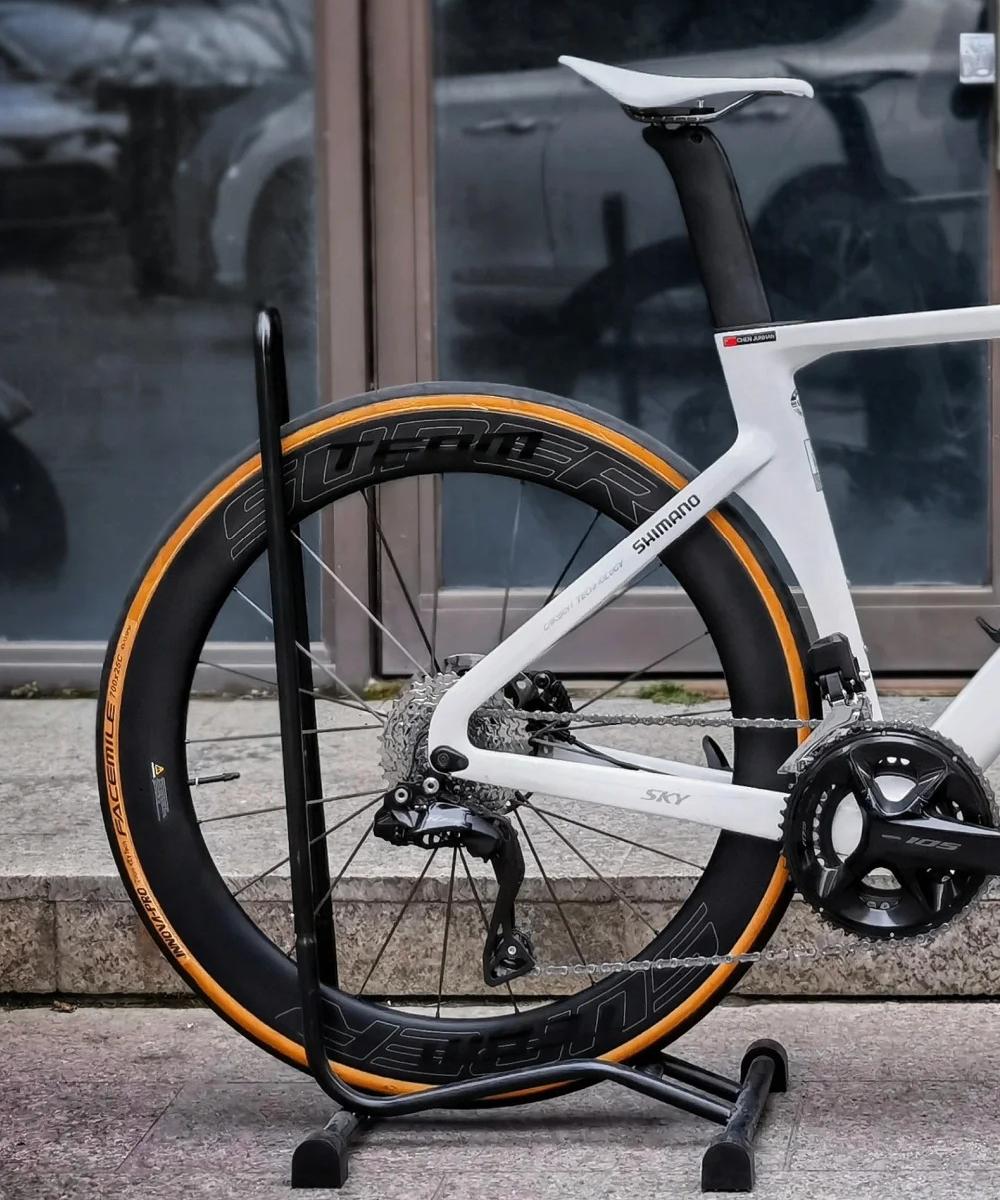
A straightedge tool or even a long metal ruler can also help you visually align the chain from the front ring to the cassette. If the chain pulls sideways or shows a noticeable angle when in middle gears, that’s a clear sign that the chainline is off.
Common chainline issues arise when installing new cranksets, switching bottom bracket standards, upgrading to wide-chainring gravel setups, or mixing road and MTB drivetrain components. Even a single misplaced spacer can shift the chainring several millimeters off center.
If your measurements show the front ring sits too far inward, adding a correctly sized bottom bracket spacer may correct the issue. If the chainring is too far outward, removing unnecessary spacers or adjusting the crank spindle placement may fix the alignment. For the rear, ensure the cassette sits flush against the freehub and check that the wheel is fully seated in the dropouts.
Measuring chainline is not guesswork—precise tools make the diagnosis straightforward. A digital caliper, chainline gauge, and straightedge provide all the accuracy you need to identify problems and adjust your system correctly. With accurate measurements, your drivetrain will run quieter, shift better, and last much longer.