
Crosswind Stability: Are Disc Wheel Bikes Safe?
Disc wheels offer significant aerodynamic advantages for time trials and triathlons, but one common concern among riders is how they handle in crosswinds. Understanding the effects of wind on disc wheel stability and learning how to manage them can help ensure both safety and performance during high-speed rides.
How Crosswinds Affect Disc Wheels
Unlike traditional spoked wheels, disc wheels have a solid surface that catches air differently. When side gusts hit the wheel, the aerodynamic force can push the bike sideways or create a feeling of instability, especially at high speeds. The impact is more pronounced on full disc wheels compared to deep-section aero wheels because the larger surface area increases the effect of wind pressure.
Factors That Influence Stability
Several factors affect how a disc wheel responds to crosswinds:
Rider weight and position: Heavier riders are generally less affected by gusts, and a lower, aerodynamic riding position reduces the wind’s leverage on the wheel.
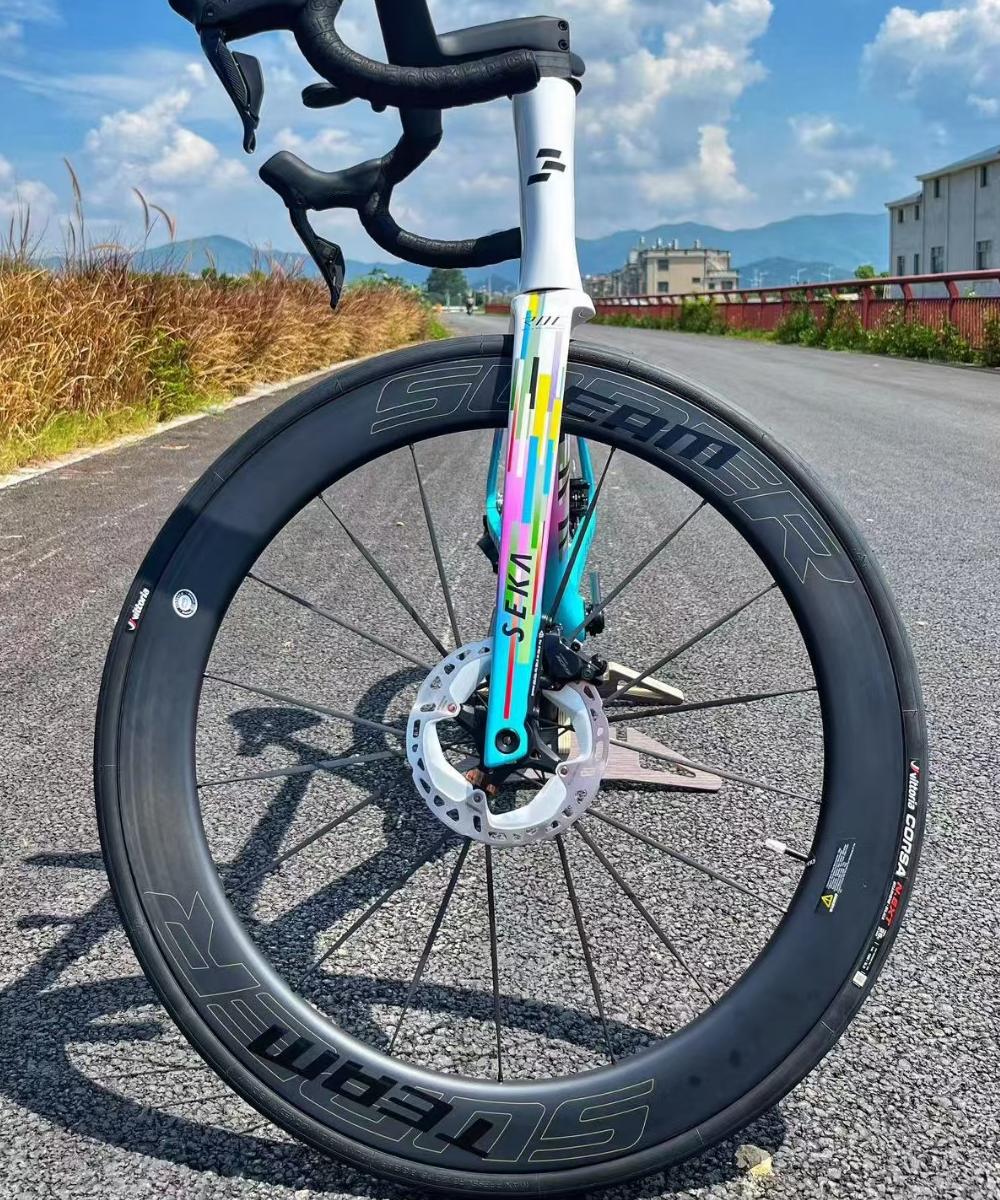
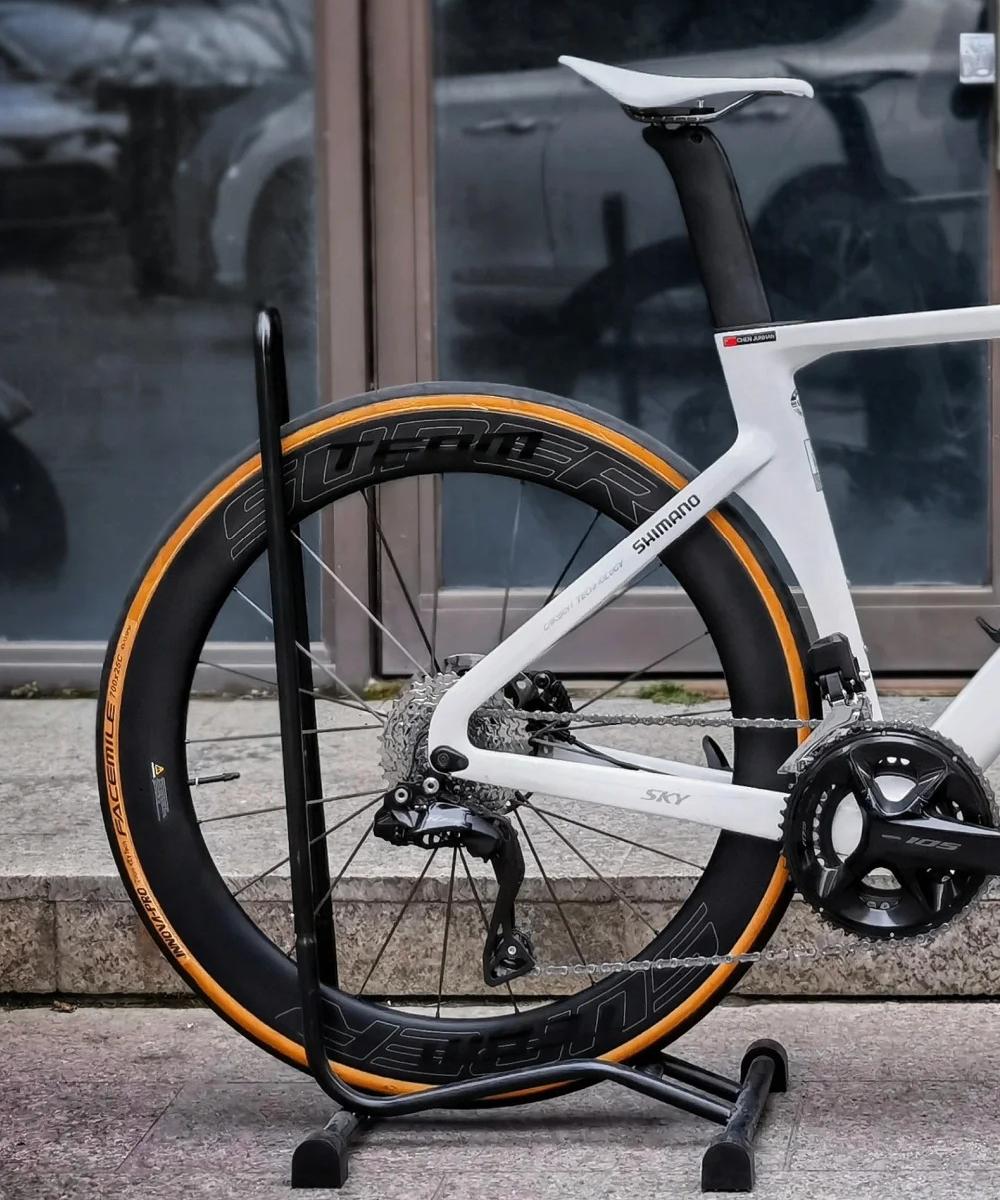
Wheel depth and shape: Some disc wheels feature cutouts or concave designs that improve crosswind handling. Deep-section aero wheels, while less aerodynamic than full discs, are often easier to control in gusty conditions.
Speed: At lower speeds, the effect of crosswinds is less noticeable, but stability challenges increase as speed rises.
Tips for Safe Riding in Crosswinds
Practice riding in windy conditions before racing. Familiarity with the bike’s behavior allows you to anticipate gusts.
Keep a relaxed grip on the handlebars to absorb sudden pushes rather than resisting them abruptly.
Steer smoothly and avoid sudden corrections. Small adjustments are more effective than overcompensating.
Choose appropriate courses if possible. Riders new to disc wheels may prefer flatter, less exposed routes to build confidence.
Consider hybrid setups—a full rear disc paired with a deep-section front wheel reduces crosswind sensitivity while maintaining aerodynamic gains.
Conclusion
Disc wheel bikes are safe in crosswinds when riders understand the effects and adjust their technique accordingly. While full disc wheels can be more sensitive than deep-section wheels, proper practice, relaxed handling, and strategic course selection can mitigate most stability concerns. For most time trial and triathlon riders, the aerodynamic benefits outweigh the challenges, making disc wheels a high-performance option even in variable wind conditions.