
Do you find yourself struggling when it comes to choosing handlebars for your bike? Are you torn between the versatility of flat bars, the professional feel of drop bars, and the stability of riser bars? Are you overwhelmed by the sheer variety of designs? Today, I’ll break down the different types of handlebars—covering their appearance, intended use, and advantages—so you can make your choice with confidence.
1. Flat Bars
First up is the "big brother" of the handlebar world—the flat bar. It is the most common type and suits a wide range of bikes (commonly found on lightweight mountain bikes and various leisure or commuter bikes).
Although called "flat bars," they aren't perfectly straight lines; they usually feature a slight angle to improve riding comfort and handling control.

The advantage of flat bars is that they promote an upright riding posture, offering good visibility and agile steering; beginners can pick them up immediately without needing an adjustment period. However, the downsides are obvious: higher wind resistance and the risk of hand numbness during long rides due to the static posture. Attempting a more aggressive, low-profile position makes it difficult to generate power effectively.
2. Riser Bars (Raised Flat Bars)
Riser bars are essentially a variation of flat bars, serving similar purposes. They get their name from their shape, which resembles a flying swallow.

Their advantage lies in raising the hand position, resulting in a more upright posture and shifting the center of gravity backward, which reduces pressure on the hands. Don't underestimate this benefit—it becomes particularly noticeable while riding. However, they are usually heavier, and the upright posture increases wind resistance.
3. Road Drop Bars
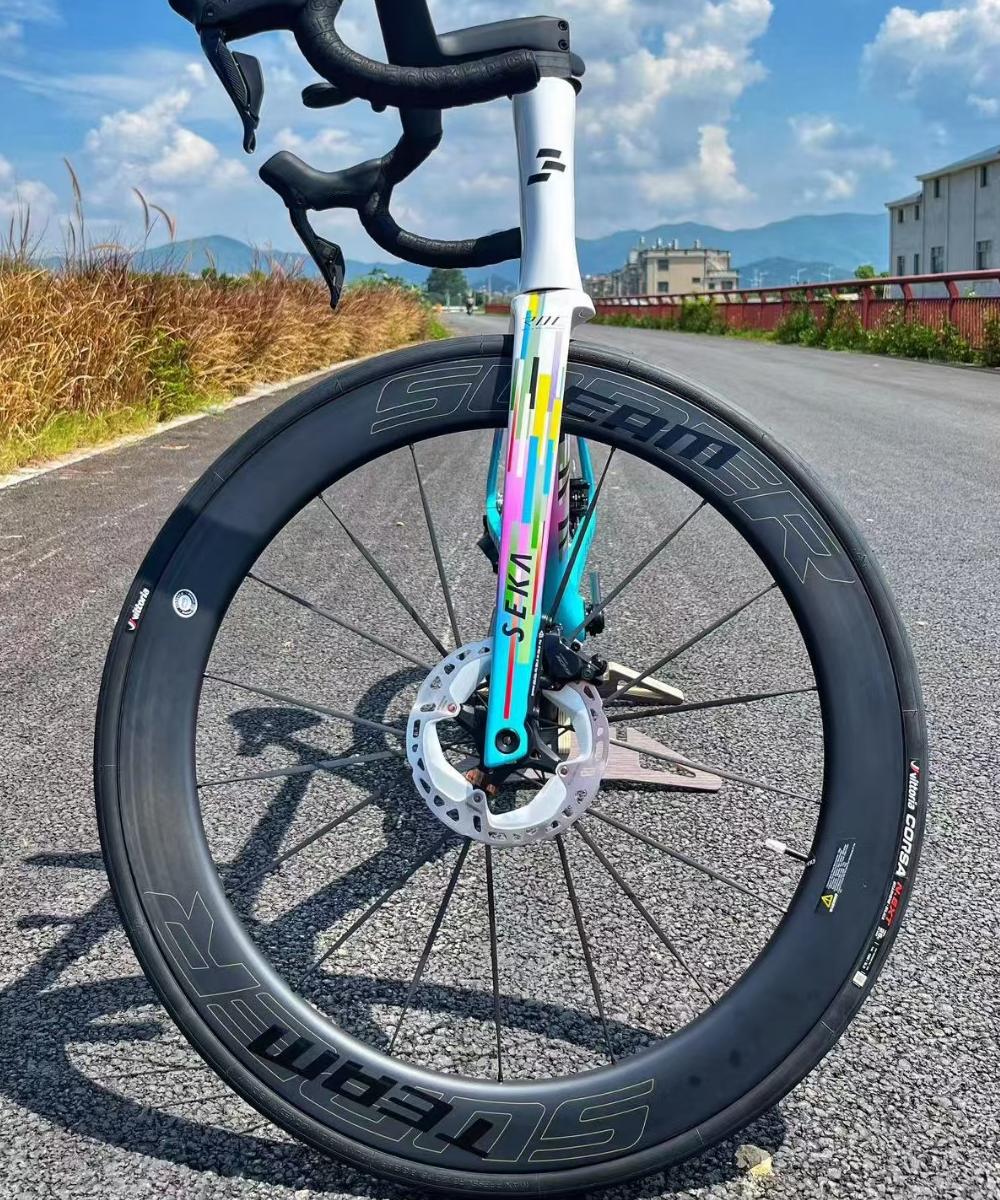
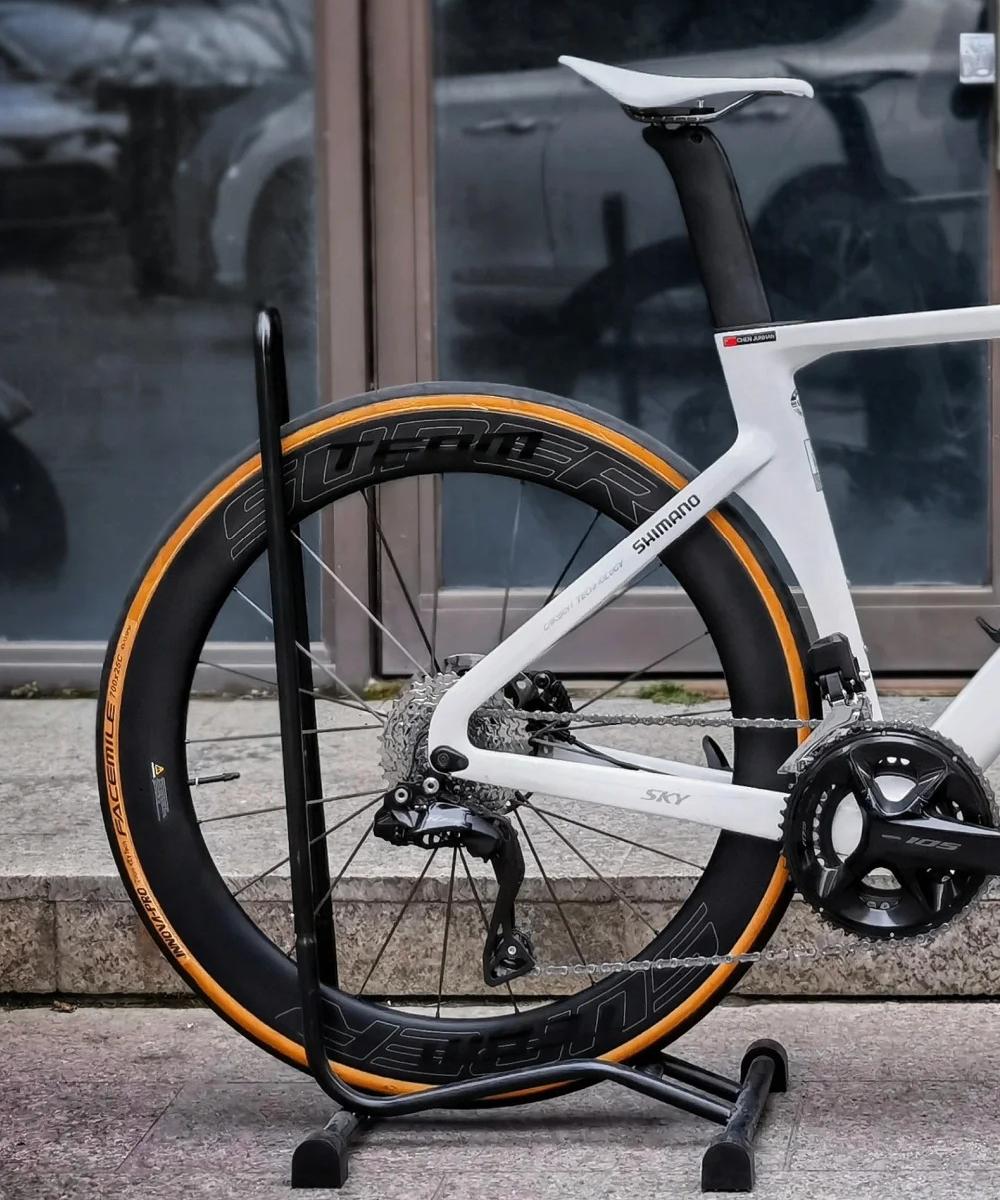
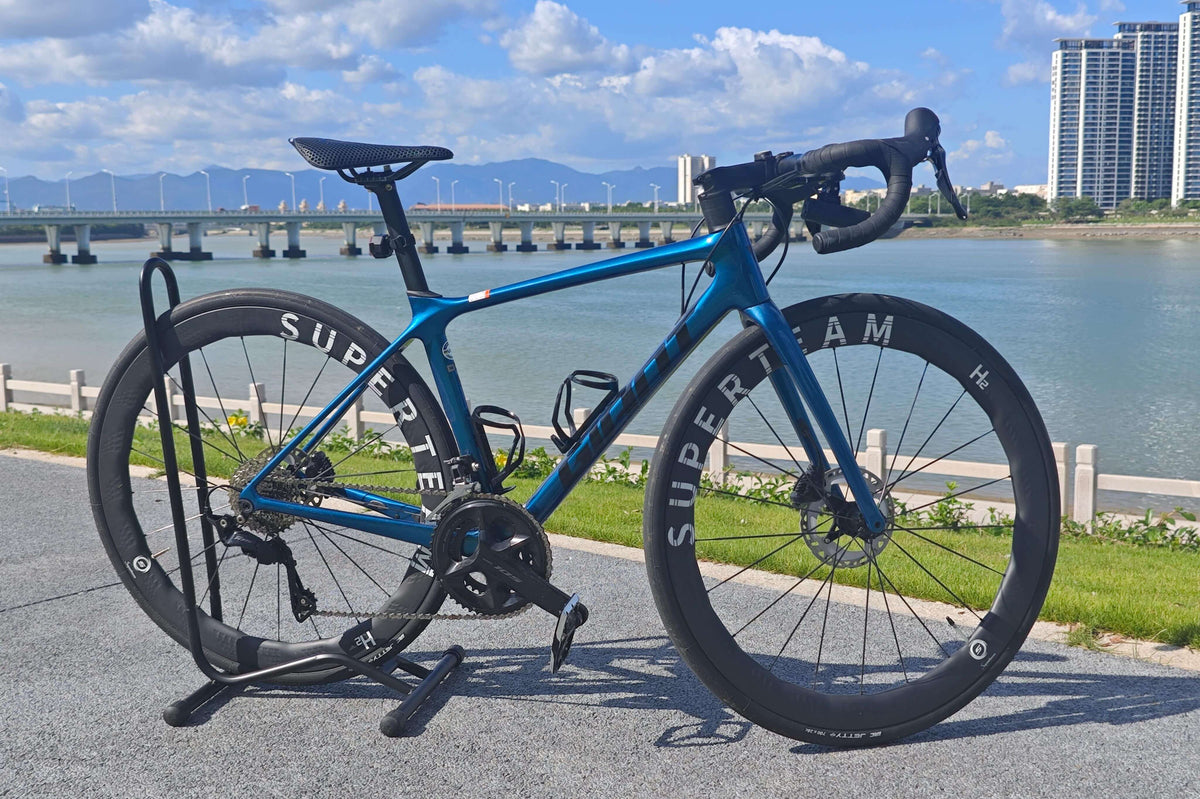
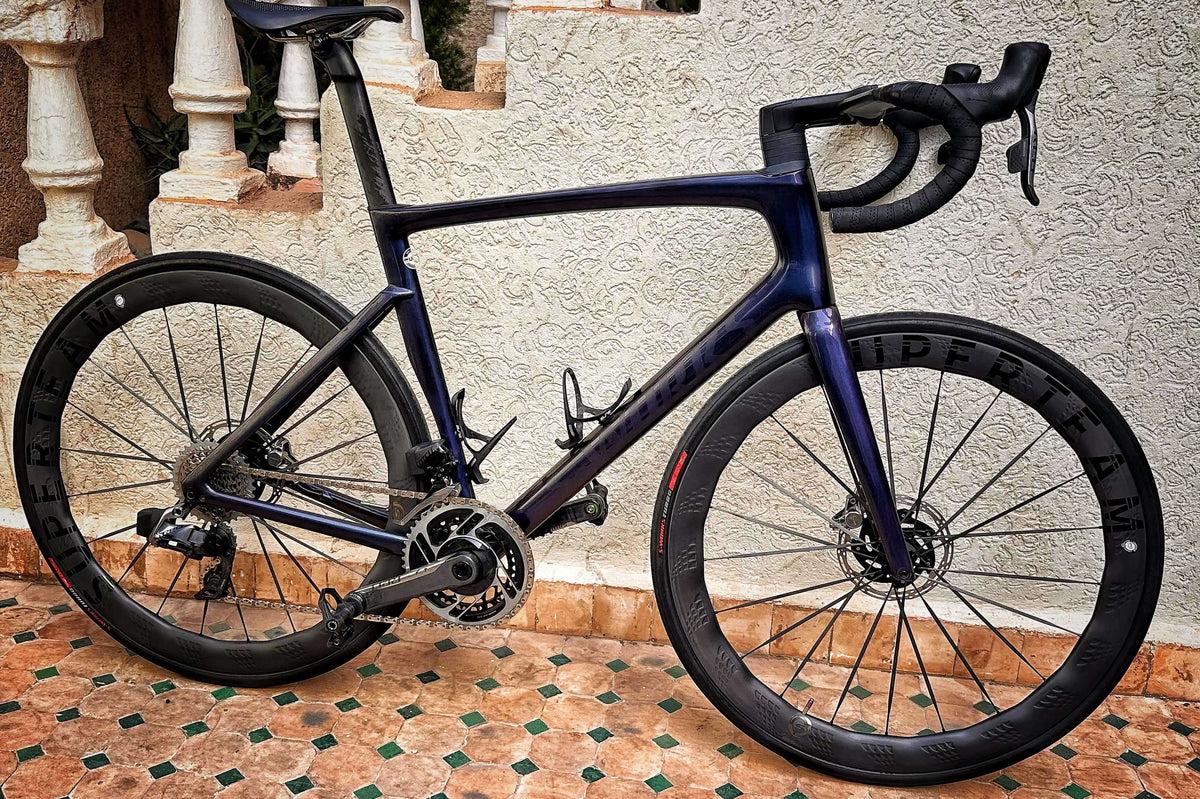
Shaped like a pair of ram's horns, these are primarily used on road racing bikes. They offer three hand positions: the "tops" (the straight section), the "drops" (the curved, lower section), and the "hoods" (where the brake/shift levers are mounted). Holding the "tops" is similar to using flat bars and helps reduce lower back fatigue. The "drops" are used for sprinting; leaning the body forward here minimizes wind resistance. The "hoods" offer a balance between the two—much like how a gravel bike sits between a road bike and a mountain bike—and serve as the most frequently used hand position.

Standard racing drop bars allow for switching between three different hand positions; however, shifting hand positions to access the brake levers is difficult. In urban environments requiring frequent braking, this effectively limits the rider to a single usable position, making it hard for beginners to adapt. Casual commuters rarely need such complex handlebars, so they are generally used by racing enthusiasts or long-distance tourers. That said, many cyclists choose drop bars simply because they like the look or the feel of the grip, making them a fairly common sight.
4. Bullhorn Bars
As the name suggests, they are named for their resemblance to bullhorns (note that the horns point forward and upward). These handlebars are typically used only on "fixed-gear" bikes.

Gripping these bars requires the rider to lean far forward, resulting in low wind resistance—a perfect match for the characteristics of fixed-gear bikes. However, the single, extreme hand position limits their use to that specific type of bike.

There is also a variation of the bullhorn bar where the flat section is shaped like an airfoil for aerodynamic efficiency; these are often called "aerobars" or "wing bars." They are frequently paired with "clip-on aero extensions" (or "rest bars") to allow the rider to adopt an even lower, speed-focused posture. These setups are commonly found on time-trial bikes and triathlon bikes.
5. Butterfly Bars
Named for their resemblance to a butterfly, these are typically used on long-distance touring bikes.

The multi-bend design offers various hand positions, allowing cyclists to shift their posture and relieve fatigue during long rides. However, they are bulky, create high wind resistance, and are too heavy for racing or navigating city traffic.
6. BMX Bars
Are they called BMX bars simply because they are used on BMX bikes? If any riders in the industry are reading this, please let us know in the comments if the community uses other names for them.

There is no need to discuss pros and cons here, as there are no alternatives to compare against. This type of handlebar demands exceptional strength and is typically made of steel; the central crossbar serves to reinforce structural rigidity. Because the forks on these small-wheeled bikes are short, a very tall handlebar is required to balance the rider's posture.
The above covers the most common types of handlebars; if any have been overlooked, please feel free to add to the discussion in the comments section.

Leave a comment
All comments are moderated before being published.
Este site está protegido pela Política de privacidade da hCaptcha e da hCaptcha e aplicam-se os Termos de serviço das mesmas.