
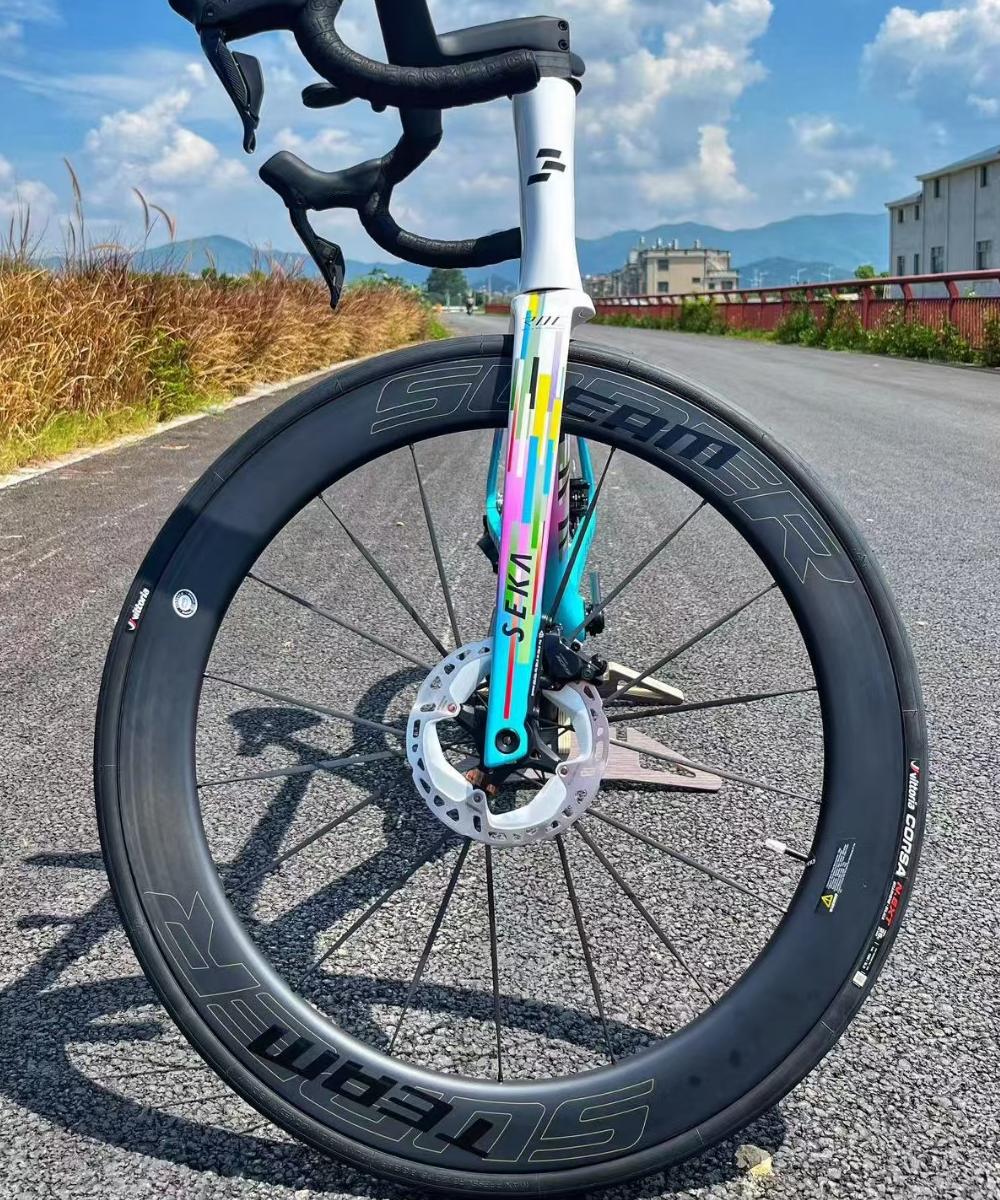
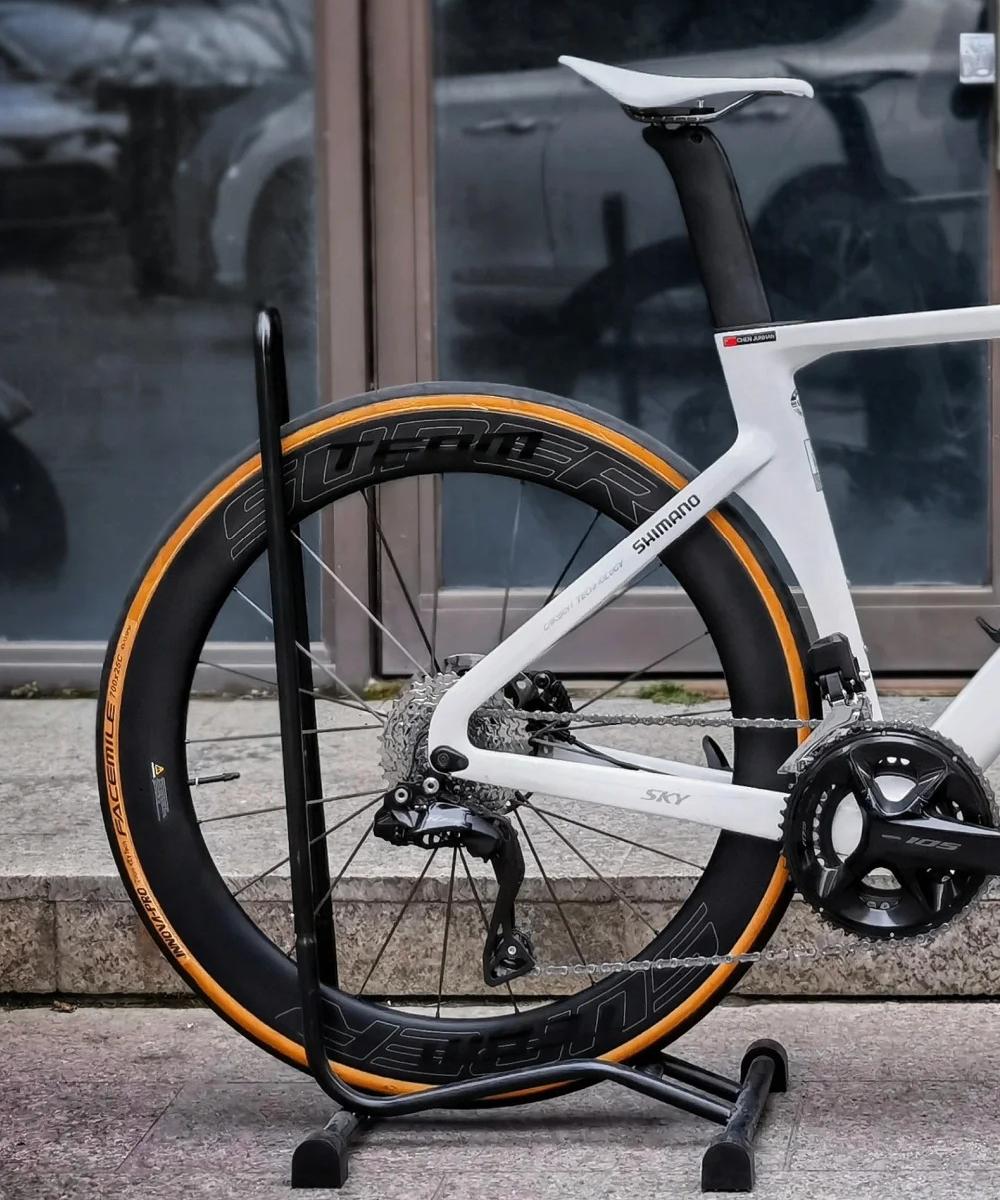
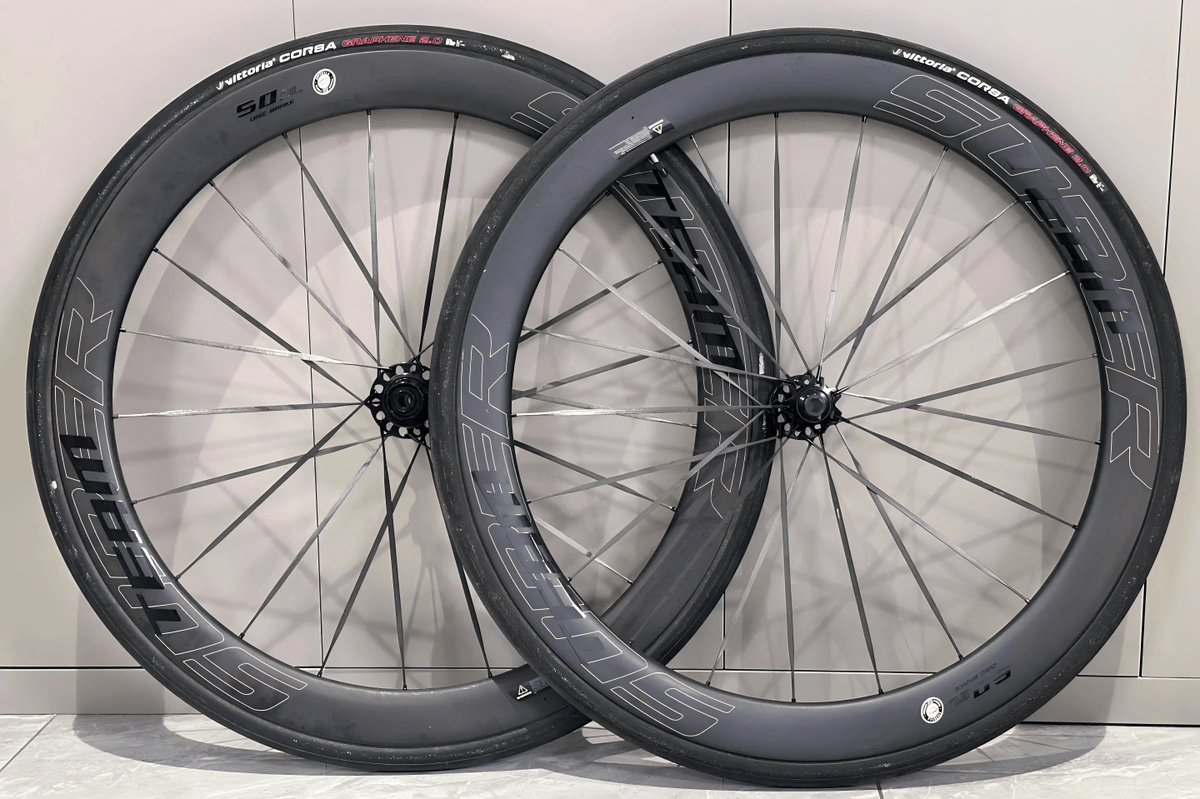
There are several types of spokes on the market today, including steel spokes, carbon spokes, and some specialized rope-style spokes. In this article, we will discuss the differences between steel and carbon spokes to provide a basic understanding for future purchases and self-installation.
Hubs
Steel Spokes
Steel spokes are compatible with the vast majority of hubs on the market. The main distinction lies in the spoke head specifications—specifically J-bend (hooked) versus straight-pull (straight head)—as hubs designed for one type generally cannot accommodate the other.

It could be said that hubs were originally designed for steel spokes. Carbon spokes came later; initially, due to limitations in hub manufacturing technology, spoke holes had to be drilled from the side, restricting wheel building to J-bend spokes.


With the evolution of hub technology and improved drilling capabilities, holes can now be drilled in more convenient and direct locations.


J-bend spokes are gradually fading from the mainstream, while straight-pull spokes have become the dominant standard.
Carbon Spokes
Due to their material properties, carbon spokes must be of the straight-pull type; they cannot be formed into J-bends like steel spokes. However, carbon spokes fall into two sub-categories: T-head and R-head (round head). T-head spokes offer superior torsional resistance and performance but are generally more expensive than R-head spokes.

Because carbon spokes are typically wider, they often cannot fit through standard, smaller flange holes—rendering them incompatible with most hubs—so manufacturers have introduced hubs specifically designed for carbon spokes.


Of course, some carbon spokes feature special designs that allow them to fit standard hubs (non-J-bend types).

Rims
Steel Spokes
They can be installed using standard rim holes and are compatible with both internal and external nipples, with virtually no limitations.

Carbon Spokes
Rims must feature reinforced metal inserts and countersunk holes; otherwise, excessive tension can cause the material around the holes to fail. Because carbon spokes have a flat cross-section, the angle of the rim holes is critical—the flat surface of the spoke must align with the tangent of the rim. Spokes must be inserted in the correct orientation; any twisting introduces shear stress, which makes them highly prone to breakage. In short, the most significant difference is that carbon spokes require larger holes for installation, meaning most rims designed for steel spokes are incompatible.

Length
Steel Spokes
A length tolerance of up to 2mm is acceptable. These are very forgiving—you can simply consult a reference chart or use a formula; extreme precision is not required.
Carbon Spokes
The tolerance must be within 0.5mm. Even a slight deviation leads to a host of issues, such as the inability to reach the required tension or the spoke nipple bottoming out on the threads before the spoke is sufficiently tight.
You must precisely measure the hub flange and rim dimensions, then select the length specified by the manufacturer. These spokes cannot be shortened, sanded, or otherwise modified.
Wheel Lacing
Steel Spokes
Lacing patterns are flexible. Spokes can be tightly packed or pressed against one another without any issues, and the spacing or angles can be adjusted freely.

Carbon Spokes
Spokes must not be pressed too tightly against other spokes, the frame, or the fork; sufficient clearance must be maintained to prevent friction or impact. Specialized lacing patterns—such as offset or reinforced lacing—are not supported; you must strictly adhere to the manufacturer’s prescribed lacing pattern. Carbon fiber has extremely poor resistance to bending and shear forces. If spokes cross and press against or bend one another, micro-cracks will form even while the wheel is stationary, leading to rapid failure under the vibrations experienced while riding.

Tools
Steel Spokes
A standard external spoke wrench is sufficient, and there are no strict torque requirements. Basic tools like tire levers and rubber mallets are fine to use; you can even gently tap the spokes or rim when truing the wheel.


Carbon Spokes
Most carbon spokes utilize internal nipples, meaning standard external spoke wrenches cannot be used. Instead, a long-handled hex key must be inserted from the inner side of the rim. It is crucial never to grip the spoke body itself to gain leverage, as this can easily cause the spoke to break. Spoke tension must adhere to specific standards—with a tolerance of no more than 3–5 kgf per spoke—and torque is subject to strict limits; both must be monitored using a tension meter. During truing, never strike the spokes or the carbon rim; adjustments should be made solely by fine-tuning the nipples. If stress relief is required, apply gentle pressure using a specialized rubber pad.


Conclusion
Thanks to their superior rigidity, wheelsets built with carbon spokes often require fewer spokes than those using steel, which reduces air resistance and improves aerodynamics. Furthermore, the material itself allows for a significant weight reduction. Carbon spokes also offer quick acceleration, immediate power transfer, and excellent climbing performance on steep gradients—advantages that have secured them a firm place in a market otherwise dominated by well-established steel spokes. They truly excel in professional disciplines such as road racing, climbing, sprinting, and time trials. For riders who engage in high-intensity road training or competitive cycling, carbon spokes are highly recommended; the weight savings and increased stiffness they provide can offer a remarkably enhanced riding experience.
Steel spokes possess excellent elastic deformation properties, which provide effective vibration damping. This cushions the hands and glutes, reduces muscle soreness, and helps delay fatigue during long rides. Their durability, impact resistance, flexibility, and ease of repair—along with the fact that they can often be restored after sustaining dents or bends—make them suitable for all types of terrain and bicycles. This is precisely why steel spokes remain the dominant choice in events like the Tour de France, which feature complex and varied road conditions. For mountain bikes and gravel bikes, steel spokes are generally the better choice; while carbon spokes are certainly an option, their specific advantages are rarely realized on gravel or off-road terrain, making them less cost-effective.
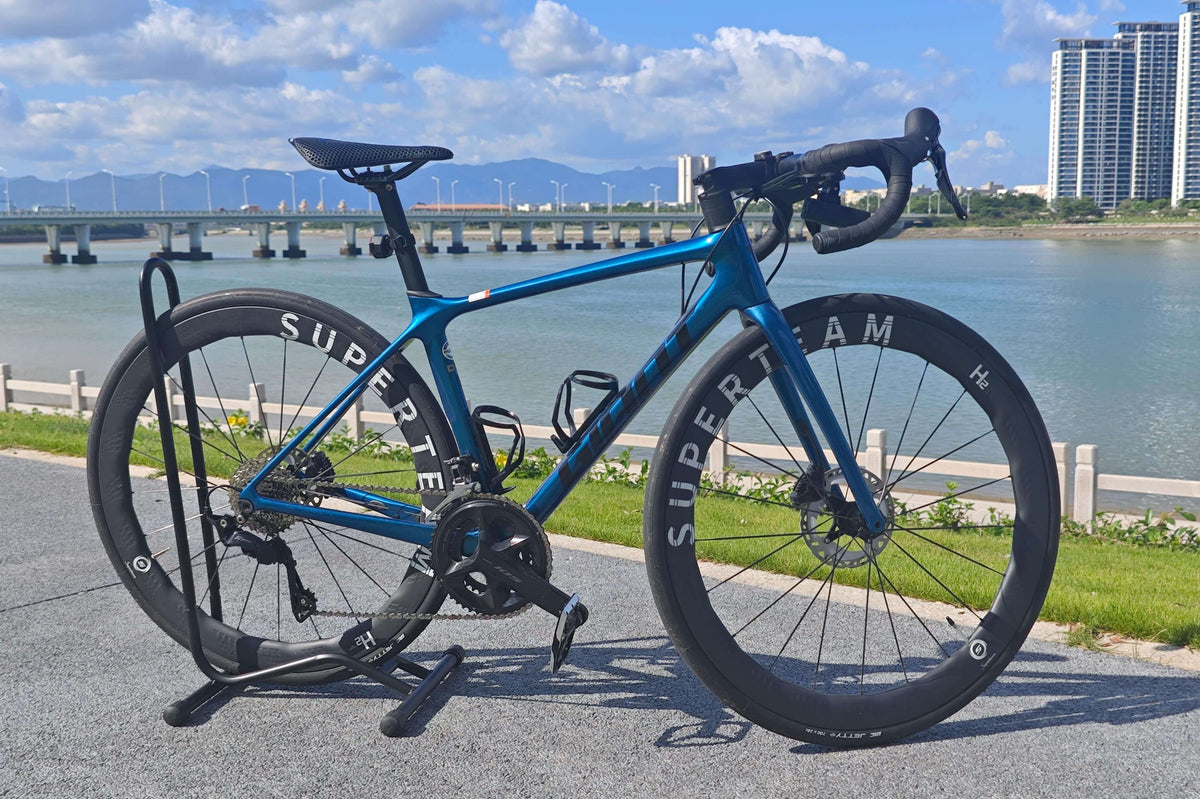

Leave a comment
All comments are moderated before being published.
Este site está protegido pela Política de privacidade da hCaptcha e da hCaptcha e aplicam-se os Termos de serviço das mesmas.