
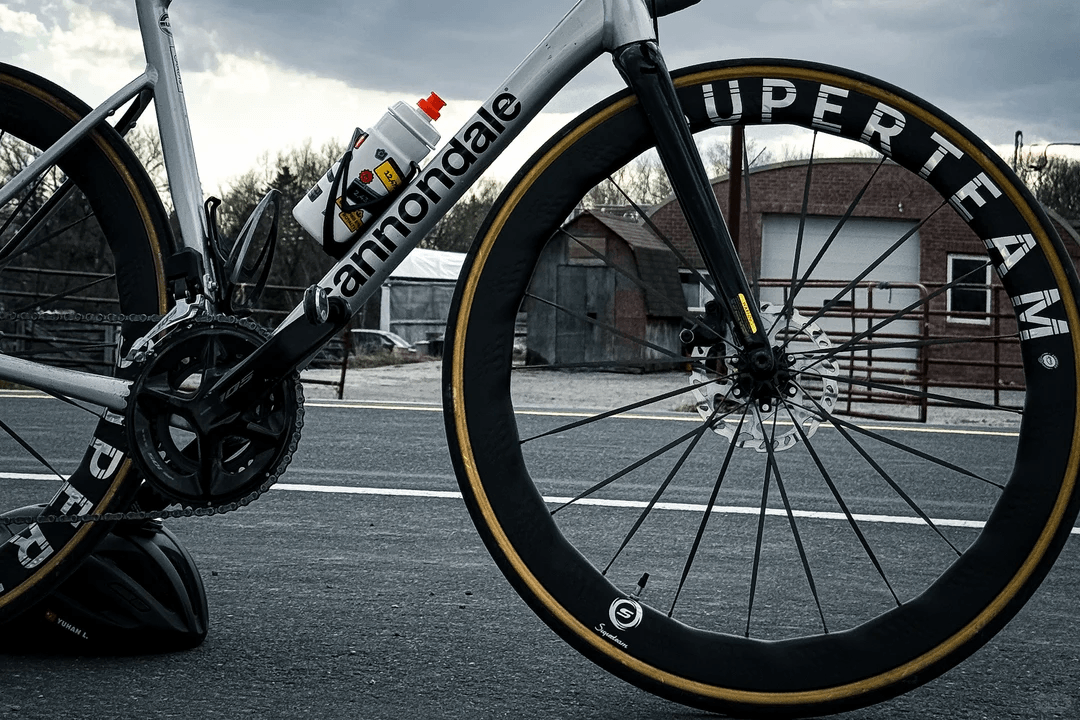
The saying that “carbon wheels can’t be repaired” has led many cyclists to replace damaged wheels at a high cost or simply leave them unused. But is this really true? In reality, more than 90% of carbon wheel damage can potentially be repaired and restored to functional condition through professional repair. The idea that carbon wheels are “unrepairable” is often based on misconceptions—and it may cause cyclists to spend more money than necessary.
1. Why Do People Believe That Carbon Wheels “Can’t Be Repaired”?
Why has the idea that “carbon wheels can’t be repaired” persisted for so long? It is not necessarily because carbon wheels are impossible to repair. Instead, several factors have contributed to this misconception.
Limitations of early manufacturing technology:
Carbon wheel manufacturing technology was less advanced 10 years ago. Repair techniques were also less developed, while repair times were longer and costs were higher. This led many experienced cyclists to develop the impression that damaged carbon wheels simply could not be repaired, overlooking how much repair technology has improved today.
Misleading information from some sellers:
New carbon wheels are generally more profitable than repair services. Some sellers may exaggerate the risks of repairing damaged wheels—for example, claiming that a repaired wheel is more likely to fail—to encourage customers to buy a replacement, especially when they do not have their own repair capabilities.
Cyclists' concerns about repair quality:
Some cyclists associate carbon wheel repair with low-quality “glue-and-patch” jobs and worry about inferior materials or hidden structural damage. As a result, they may choose to replace the wheel rather than repair it. However, professional repair services use specialized materials, processes, and inspection methods to ensure that repairs are performed properly.
2. It Depends on the Type of Damage—Up to 90% May Be Repairable
The key to determining whether a carbon wheel can be repaired is the severity and location of the damage. Professional repair specialists typically evaluate the damage and determine whether it affects the wheel's structural integrity.
Surface Damage: The Most Common Type

Examples include scratches on the rim sidewall, small chips along the rim edge, or minor wear to the surface carbon layer where the underlying carbon structure remains intact.
This type of damage is usually cosmetic and does not necessarily affect the structural strength of the wheel. It is relatively straightforward and inexpensive to repair, often costing less than $100.
A typical repair process may include:
Sanding → Applying matching carbon fiber material → Temperature-controlled curing → Repainting
When properly repaired, the wheel can be restored to a safe and functional condition.
One cyclist I know had a typical experience. His carbon wheel scraped against a concrete barrier in a parking lot, leaving a scratch several centimeters long on the rim sidewall. After professional repair, he continued using the wheel for more than two years for commuting and climbing, without experiencing any problems.
Localized Delamination: Requires Professional Repair

This type of damage can occur after an impact to the rim, such as hitting a curb or being struck by a stone, as shown in the image above. Signs may include a slight bulge on the rim surface or a hollow sound when the area is gently tapped.
Unlike simple surface scratches, localized delamination can indicate damage inside the composite structure. However, whether it can be repaired depends on the extent and location of the delamination and whether the primary load-bearing structure remains intact.
A professional inspection is therefore essential before deciding whether to repair or replace the wheel.
Structural Fracture: When Replacement May Be the Better Choice
Some types of damage are much more serious and may make a wheel unsuitable for repair.
These can include:
A through-and-through fracture that completely compromises the rim structure
Severe deformation around the hub interface that prevents proper hub installation
Extensive cracking or breakage around multiple adjacent spoke holes
When damage directly compromises the primary load-bearing structure, attempting a repair may not provide sufficient confidence in the wheel's long-term safety. In such cases, replacing the rim or wheel is generally the safer option.
Fortunately, these are typically associated with severe impacts, such as major crashes or a vehicle running over the wheel, rather than normal riding.
3. Cyclist Q&A: Common Questions About Carbon Wheel Repair
Q1: Will a Repaired Carbon Wheel Have a Shorter Lifespan?
Not necessarily.
If the damage is suitable for repair and the repair is performed by a qualified professional using appropriate carbon fiber materials, resin, curing procedures, and inspection methods, the repaired area can be restored to a reliable condition.
However, it is important to remember that repairability depends on the specific damage. A repaired cosmetic scratch is very different from a repaired structural crack. Professional assessment should always come first.
Q2: How Much Does Carbon Wheel Repair Cost? Is It Cheaper Than Buying a New Wheel?
Repair costs vary significantly depending on the type and extent of damage.
As a general reference:
Surface damage: approximately $50–$100
More complex localized damage: approximately $100–$500
Severely damaged wheels: replacement may be more economical or safer
For relatively minor damage, professional repair can therefore cost considerably less than purchasing a completely new wheel.
Conclusion: Don't Let the “Carbon Wheels Can't Be Repaired” Myth Waste Your Wheel

Carbon wheels are not necessarily disposable products. Their durability and repairability may be much greater than many cyclists realize.
When your carbon wheel is damaged, don't immediately assume that it must be replaced. Instead, have the wheel professionally inspected first. In many cases, what looks like a serious problem may be repairable at a fraction of the cost of a new wheel.
The important thing is not simply whether a carbon wheel has been damaged, but what type of damage it has sustained and whether its structural integrity has been compromised.
Before deciding to repair or replace a damaged carbon wheel, always rely on a qualified professional inspection and follow the manufacturer's safety recommendations.



Laisser un commentaire
Tous les commentaires sont modérés avant d'être publiés.
Ce site est protégé par hCaptcha, et la Politique de confidentialité et les Conditions de service de hCaptcha s’appliquent.