
I. Smartphones: Easy to start with, but not ideal for long-term use

Almost all cycling beginners start by using their smartphones to track their rides. By simply downloading an app and attaching a mount, you can record distance, speed, and your route—features that seem comprehensive enough.
However, issues arise once you start riding more frequently or for longer periods.
1. Battery anxiety. With GPS, the screen, and Bluetooth all running simultaneously, you start worrying about the battery dying during longer rides.
2. Phone safety. Rain, bumpy roads, and crashes expose a handlebar-mounted phone to significant risk. Accidents can easily lead to a broken phone—and a smartphone is far more expensive to replace than a bike computer.
3. Personal safety. Minimizing distractions is crucial while cycling. Smartphones can go to sleep or be interrupted by notifications; this often tempts riders to fiddle with the phone while moving, increasing the risk of an accident.
The conclusion is clear: smartphones aren't suitable for long-term cycling use. The more you ride, the more awkward and inconvenient the setup feels.
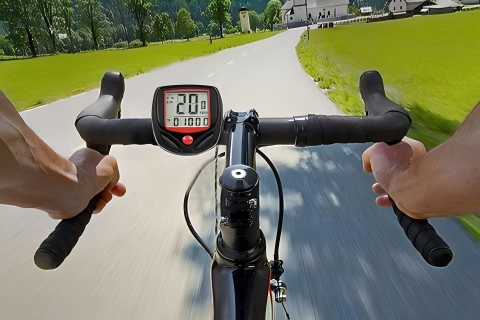
II. Bike computers: Advantages become increasingly apparent over time

Bike computers have simple functions—they are designed solely for cycling—but they execute those tasks exceptionally well.
1. Battery life. Mainstream bike computers typically run for 15–20 hours or more on a single charge, eliminating anxiety during long rides and removing the need to carry a power bank.
2. Visibility. Bike computers are usually mounted directly in front of the handlebars, making data and navigation visible at a glance. This keeps your attention on the road, enhancing safety.
3. Comprehensive features. Beyond basic metrics like speed and mileage, most bike computers track cadence and connect to power meters. They become indispensable tools once you start monitoring heart rate and training load.
Of course, bike computers have downsides: high-end models are expensive, and they serve no purpose other than cycling. If you haven't yet established a consistent riding habit, buying one might be a waste. In fact, many avid cyclists only switch to a bike computer after they have been riding for a long time.
III. Smartwatches and Fitness Trackers: Suitable for Multiple Sports

Smartwatches and fitness trackers are often compared to dedicated cycling computers, but their advantages extend beyond just cycling.
They excel at tracking various sports and monitoring metrics such as heart rate, sleep quality, and recovery. If you engage in activities other than cycling, these devices offer excellent overall value. However, they do have some drawbacks in a pure cycling context: the screens are relatively small, navigation is often limited to simple route tracing, and heart rate readings can become unstable during high-intensity efforts. In short, they are "all-rounders" rather than specialized tools designed for the ultimate cycling experience.
IV. How Should a Beginner Choose?
Stage 1: Start by using your smartphone and a cycling app to determine if you will stick with the sport in the long run and whether you plan on doing long rides.
Stage 2: If you commit to regular, long-term cycling, consider an entry-level cycling computer to improve battery life and the overall user experience. If you also participate in other activities—such as running or gym workouts—or want to track metrics like sleep quality, a smartwatch or fitness tracker is a better recommendation at this stage.
Stage 3: If your cycling needs grow and you begin to focus on structured training—working on cadence, power output, FTP, and so on—then upgrade to a more advanced cycling computer tailored to those requirements.
In summary, keep this in mind:
You don't need to buy top-tier gear right from the start; the key is to choose based on your current stage of cycling, not simply on what others are using.


Laisser un commentaire
Tous les commentaires sont modérés avant d'être publiés.
Ce site est protégé par hCaptcha, et la Politique de confidentialité et les Conditions de service de hCaptcha s’appliquent.