
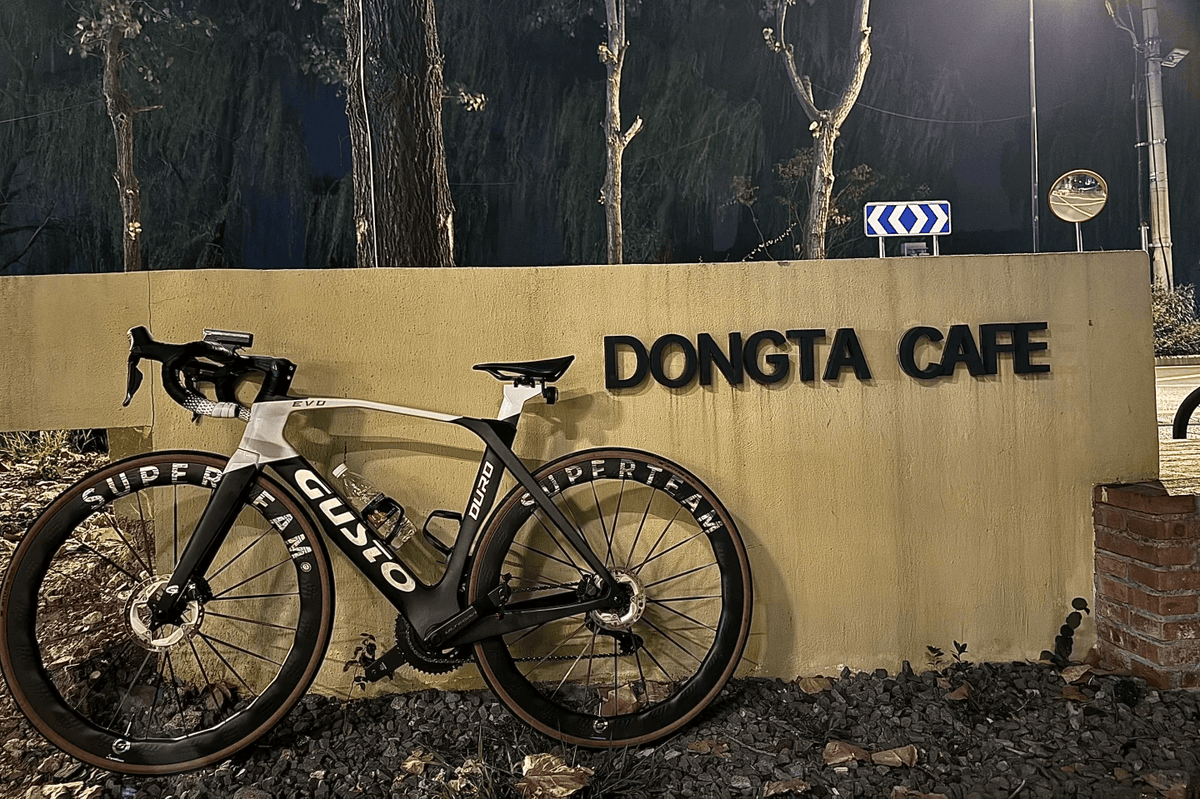
Both 700C and "proper" 29-inch mountain bike wheels share the same 622mm rim inner diameter (bead seat diameter); however, 650B (commonly known as 27.5-inch) belongs to a completely different system based on a 584mm diameter! Also, note that "700×40C" refers to the tire specification, not the wheelset itself.
So, what exactly is the difference between 700C and 29-inch wheels?
700C wheels—used on road bikes and gravel bikes—were originally designed for long-distance riding on asphalt. Road bikes use narrow tires for speed, while gravel bikes use this same rim standard but fit slightly wider tires to handle occasional gravel or country roads; they prioritize agility, long-distance capability, and riding comfort over extended periods.
29-inch wheels belong to the mountain bike category (using the same 622mm standard) and are built for rough terrain and off-road riding. They come standard with knobby, thick tires designed to tackle mountains, potholes, and loose gravel, prioritizing durability and off-road capability.

Caption: Gravel bike with 700×40C tan-wall gravel tires (622mm standard).
Since the rim diameters are identical, any visual difference in size comes almost entirely from the tire thickness! Here is a quick reference for the approximate outer diameters:
Common gravel bike sizes: 700×40C ≈ 702mm; 700×45C ≈ 712mm
Gravel bike max width: 700×50C ≈ 722mm
Standard 29×2.0 MTB tire ≈ 724mm; 29×2.2 MTB tire ≈ 734mm
The difference in diameter between a gravel bike's 700×40C setup and a standard 29-inch MTB setup is only about 22mm—roughly the width of a thumb! From a distance, they can easily look identical. A very common mistake among beginners is confusing 27.5-inch (650B) wheels with 29-inch wheels.

Caption: This "Warrior" model features 650B (27.5-inch) wheels; at first glance, many people mistake them for 29-inch wheels.

Caption: The lettering on the sidewall serves as the tire's ID—700×40C, a "golden" tire width (based on the 622 standard) that is highly popular in the gravel bike world.

Caption: This specification reads 650×47B, which equates to 27.5 inches! The rim's inner diameter is 584 mm—a completely different standard from the 622 series!
Many people struggle to distinguish between 27.5-inch and 29-inch wheels, and sellers often exploit the visual illusion that "wider tires look beefier" to mislead beginners.
Gravel bikes combine a road bike foundation with gravel tires, making them suitable for leisurely long-distance rides; true 29-inch mountain bikes use the 622mm standard paired with knobby off-road tires—their frame geometry, structural strength, and intended use are completely different. Meanwhile, 27.5-inch wheels represent a distinct size standard altogether!
A quick reminder: even if two wheels share the 622mm standard, they aren't necessarily interchangeable! Mountain bike rims are wider to accommodate knobby tires, whereas gravel rims are narrower and suited for gravel tires; forcing knobby tires onto gravel rims risks the tire popping off the bead. Plus, frame clearance limits mean you can't simply install a tire just because it looks like it might fit.
So, what exactly is "700×40C"?
Strictly speaking, it’s not a wheelset model, but a tire specification! When sellers talk about a "700×40C wheelset," they mean the 700C (622mm) rim can accommodate a tire up to 40mm wide. Breaking it down: "700" indicates compatibility with the 622mm rim standard (which my gravel bike uses), and "40C" indicates a tire width of approximately 40mm ("C" is a traditional size designation).
No need to overthink it—here’s a quick rundown of common tire widths:
700×28C: Narrow road tires; fast on asphalt but prone to harsh impacts and poor vibration damping.
700×35C: Light commuting/light gravel use; very balanced.
700×40C: I genuinely consider this the "sweet spot" for recreational gravel bikes! It’s not tiring on asphalt, offers cushioning over broken pavement or dirt roads, resists punctures, and makes for a very comfortable weekend ride.
700×45–50C: More rugged, but rolling resistance increases, making pedaling more strenuous.
To recap: my gravel bike uses 700×40C; 29-inch mountain bikes share the same rim standard but are designed for off-road use; and 27.5-inch (650B) is a completely different size.
How should the average person choose when buying a bike or replacing tires? Let’s skip the fluff and get straight to practical advice:
⭐️ For commuting, casual weekend rides, and the occasional dirt path—where you want an easy, sustainable ride—prioritize a 700C gravel bike. Aim for a tire width of 38–42C; 40C is a solid, safe bet.
⭐️ If you love hitting the mountains and tearing up forest trails for high-intensity off-roading, choose a proper 29-inch (622) mountain bike. Riders of smaller stature might consider 27.5-inch (650B) wheels, but don't expect a gravel bike to replace a mountain bike.

You’ll learn this with experience: a bigger wheel size doesn't automatically mean "better." Larger wheels offer slightly better rollover capability but are less agile when turning; wider tires provide more stability but require more pedaling effort. For the average rider, there’s no need to obsess over every single spec, but you shouldn't mix up the key dimensions. Just double-check the markings on the tire sidewall—you can't go wrong there.

Laisser un commentaire
Tous les commentaires sont modérés avant d'être publiés.
Ce site est protégé par hCaptcha, et la Politique de confidentialité et les Conditions de service de hCaptcha s’appliquent.