
There is no such thing as an "all-purpose" bicycle; there are only bikes tailored to specific road conditions and needs. If you choose the wrong type for your intended use, even the most expensive components will become a burden.
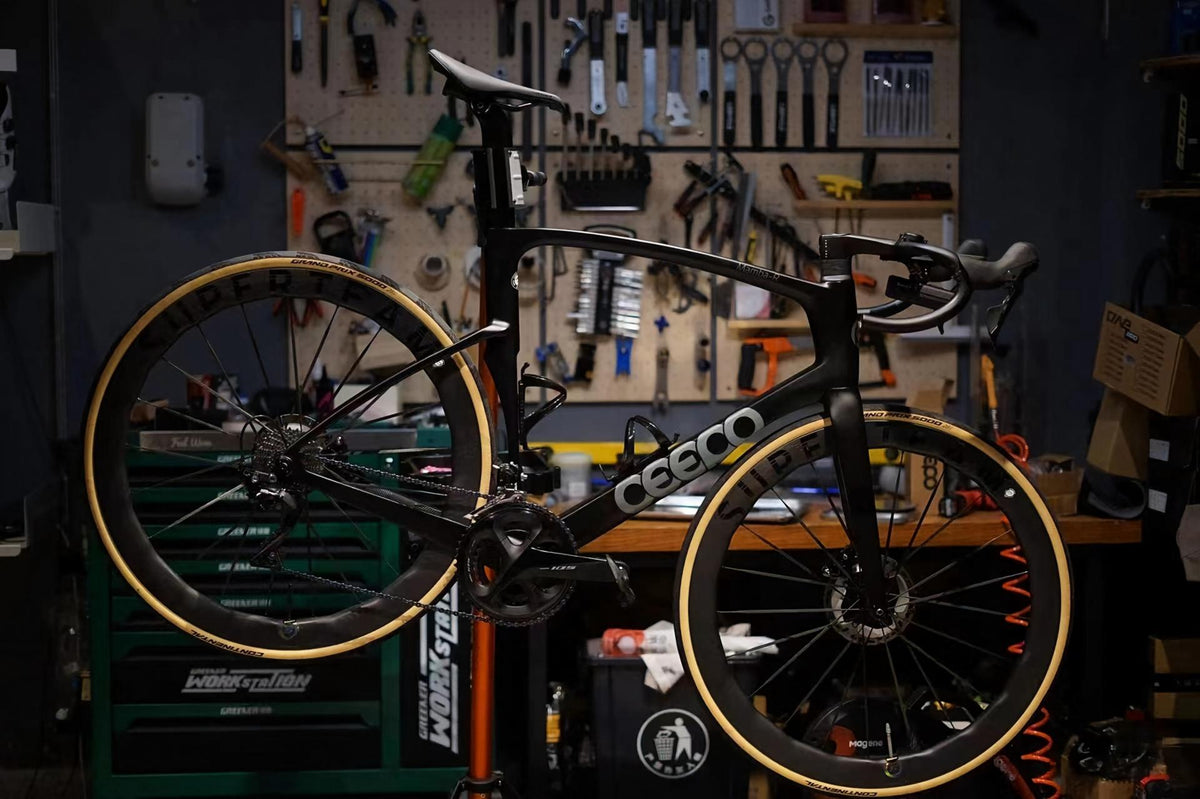
1. Road Bikes | The Kings of Efficiency
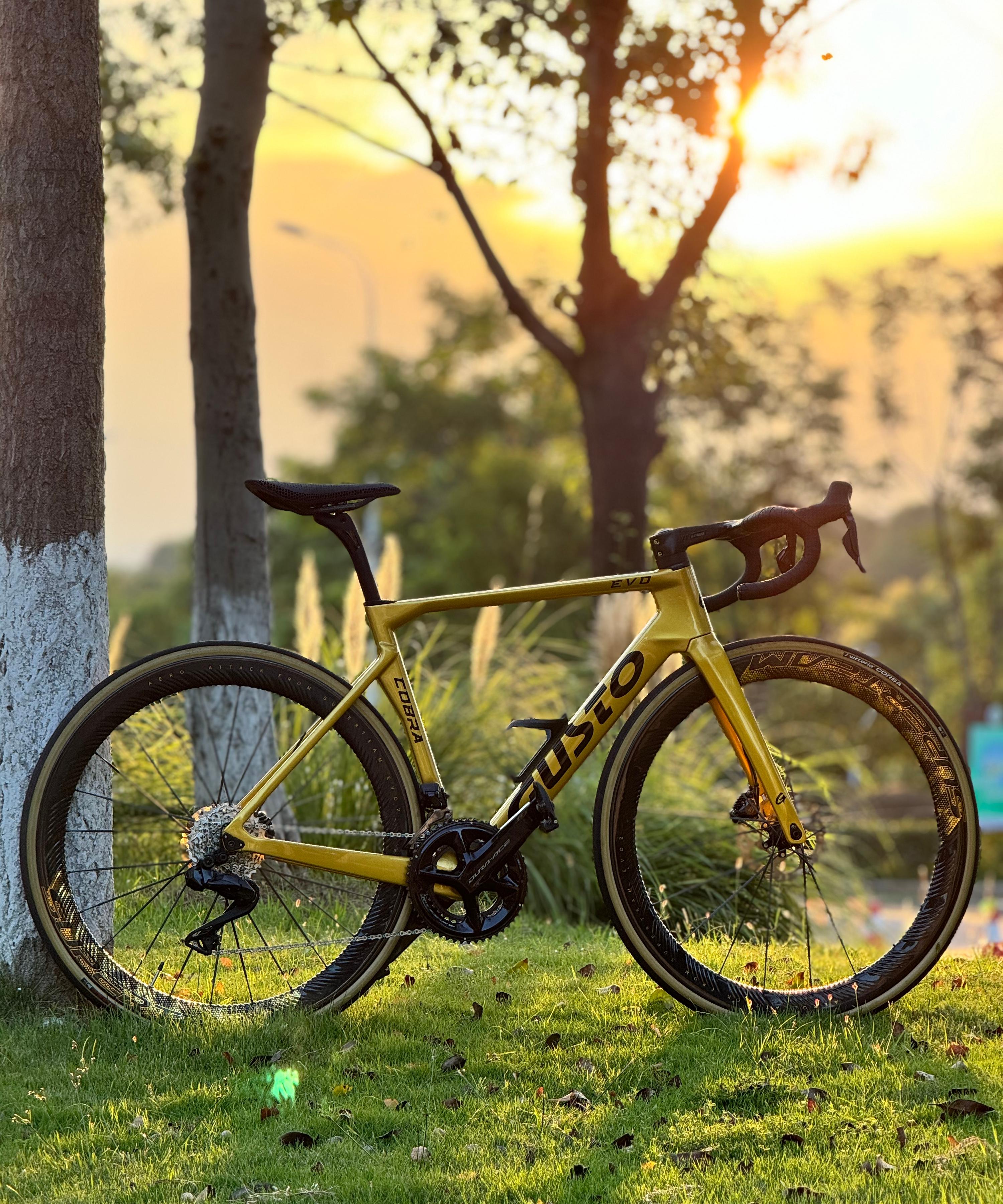
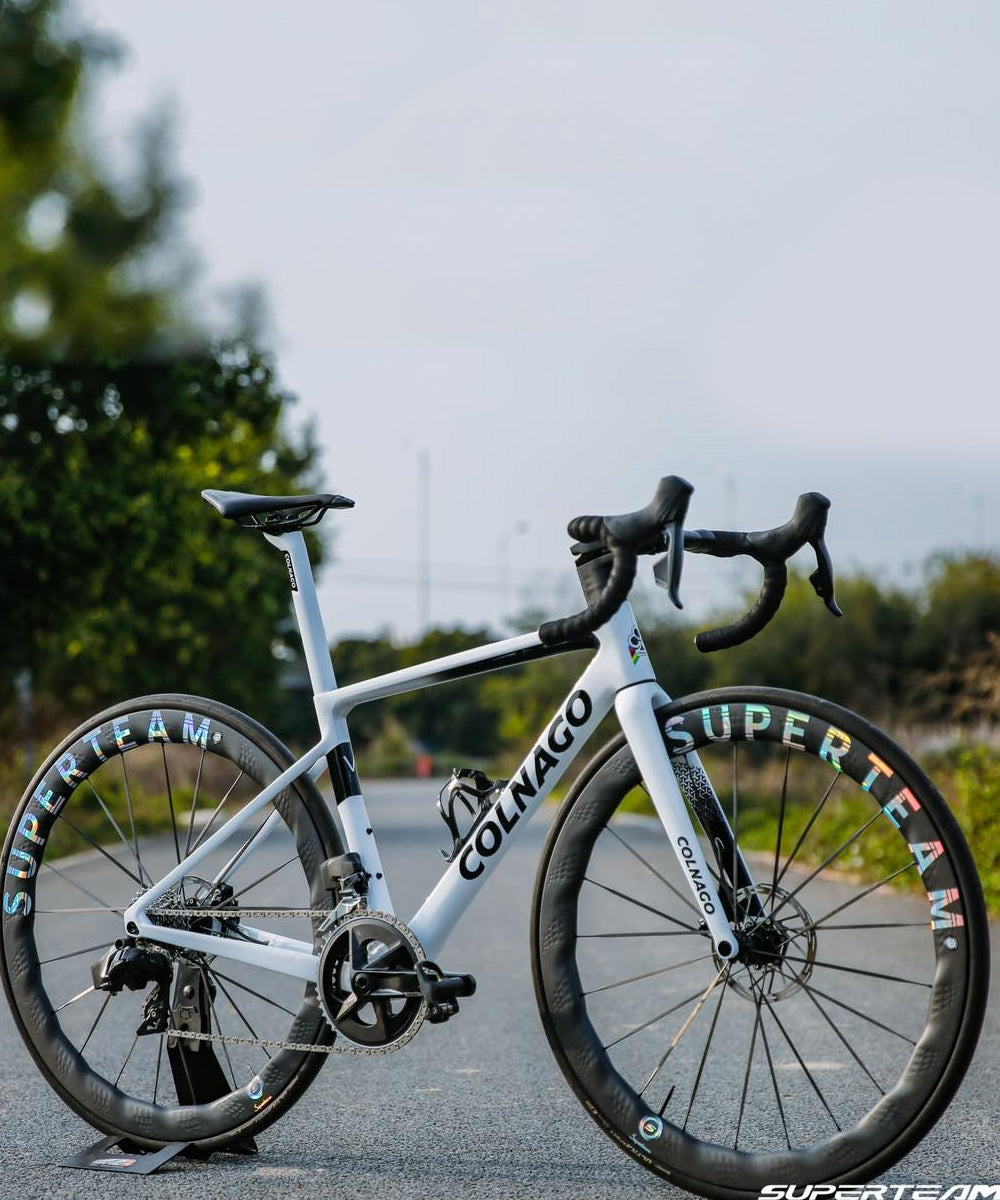
Best for: Smooth, paved roads, long-distance cruising, fitness riding, and speed training.
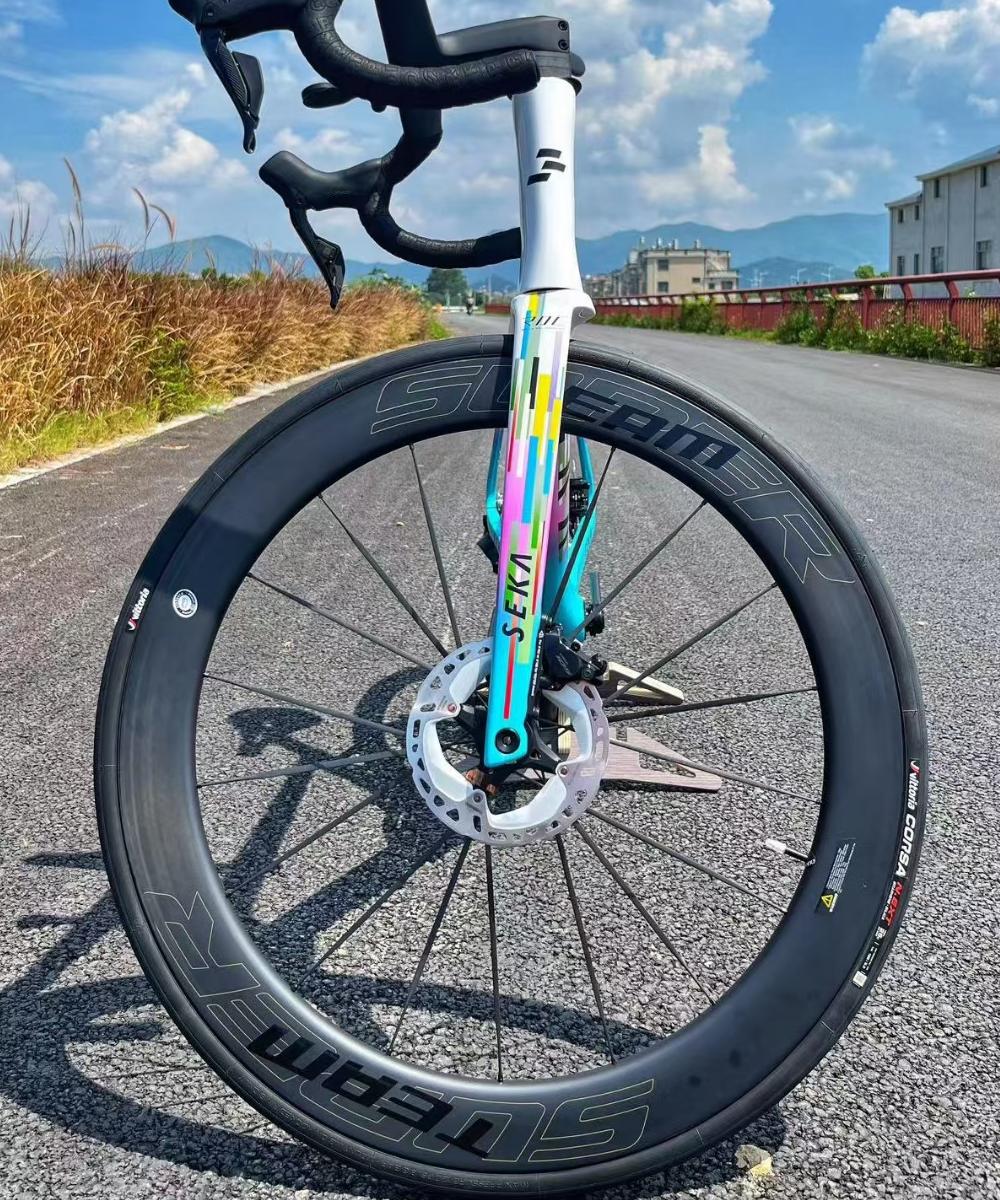
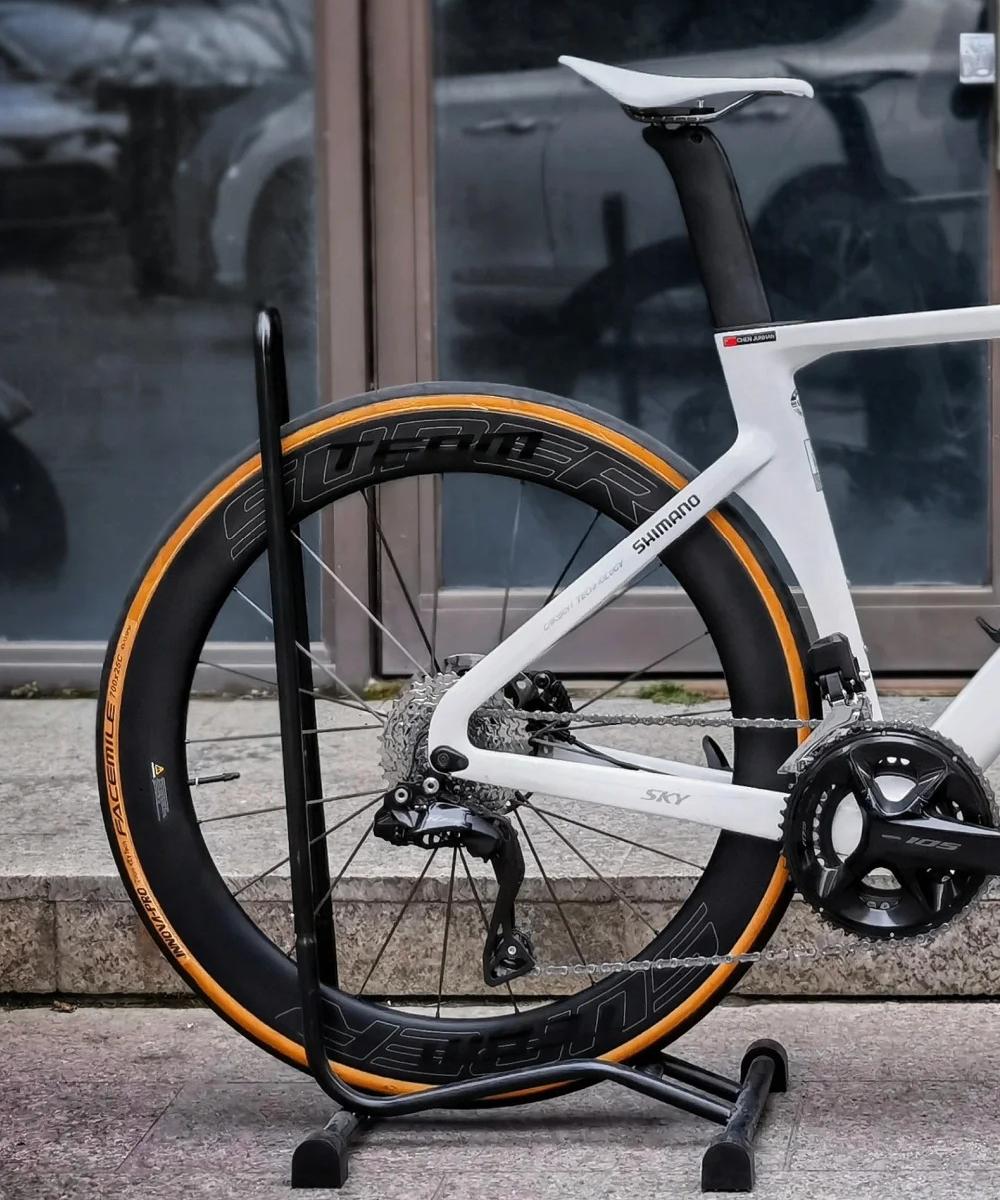
Key Features: Drop handlebars (for low wind resistance), narrow tires (for low rolling resistance), no suspension, and lightweight, rigid frames.
Core Advantages:
Direct power transfer from pedaling with minimal energy loss.
20%–40% faster than mountain bikes for the same level of physical exertion.
Ideal for long-distance aerobic riding; highly effective for fat loss and cardiovascular conditioning.
Drawbacks: Limited terrain versatility, poor comfort on bumpy surfaces, and unsuitable for off-road or rough trails.
Best for: Those who enjoy night riding, long weekend excursions, fitness/body toning, and a fast, agile riding experience.

2. Mountain Bikes (MTBs) | The Kings of Versatility
Best for: Rural dirt paths, gravel or rough trails, uneven unpaved surfaces, and light off-road trail riding.
Key Features: Wide, knobby tires, front suspension, high-strength frames, and an upright riding position.
Core Advantages:
Suspension absorbs shocks, offering high forgiveness on complex terrain.
Robust, durable construction designed to withstand impacts and rough handling.
Upright riding posture provides excellent stability at lower speeds.
Drawbacks: High rolling and wind resistance make them more strenuous to pedal on flat ground; not ideal for urban commuting or long-distance cruising.
Best for: Mountain excursions, navigating complex terrain, and riders who prioritize stability.

3. Flat-Bar Road Bikes | The Ultimate Urban All-Rounders (Best for the General Public)
Best for: Urban commuting, daily travel, casual city riding, and light fitness.
Combines the strengths of two categories: Inherits the efficiency and ease of pedaling found in road bikes + retains the comfortable handling of a mountain bike.
Key advantages:
Upright riding position—no need to hunch over, less strain on your hands, and accessible to riders of any fitness level.
Balanced tire resistance—nimble and efficient on urban roads.
Better terrain versatility than a dedicated road bike, and far more energy-efficient than a mountain bike.
The optimal choice for 90% of everyday riders; a versatile bike capable of handling any urban road condition.

4. Touring Bike | The King of Durability and Stability
Ideal for: Long-distance journeys (1,000+ km), loaded touring, expeditions (such as the Sichuan-Tibet route), and all-weather outdoor riding.
Key features: Reinforced frame, stable geometry with a low center of gravity, integrated mounts for racks, and robust, heavy-duty components.
Key advantages: Exceptional stability that reduces rider fatigue, high load-bearing capacity, and highly durable components—designed specifically for long-distance endurance riding.

5. Folding Bike | The King of Portability and Storage
Ideal for: Short-distance travel, commuting via subway, storage in a vehicle, or spontaneous trips.
Key advantages: Foldable, compact, and highly portable—takes up minimal space.
Drawbacks: Limited frame strength and poor stability at high speeds; not suitable for high-intensity training or long-distance racing.


Leave a comment
All comments are moderated before being published.
This site is protected by hCaptcha and the hCaptcha Privacy Policy and Terms of Service apply.