
Winter Cycling Gear: What to Wear and Carry for Cold Weather Riding
Cycling in winter requires more preparation than riding during warmer months. Lower temperatures, cold winds, rain, and shorter daylight hours can quickly affect comfort and safety.
However, the right winter cycling gear can make a significant difference. You do not necessarily need an entirely new bicycle or an expensive collection of accessories. A carefully selected combination of thermal clothing, protective equipment, and practical accessories can help you stay comfortable in different winter conditions.
If you are wondering what to wear when cycling in winter, this guide explains the essential equipment every cyclist should consider.
1. Start with a Moisture-Wicking Base Layer
The base layer is the foundation of a winter cycling clothing system. Its main purpose is to manage moisture while maintaining a comfortable layer of insulation close to your skin.
During cycling, your body generates heat even when the surrounding temperature is low. If sweat remains trapped against your skin, it can make you feel cold when your riding intensity decreases.
Choose a long-sleeved base layer made from merino wool or technical synthetic fabric.
Merino wool offers natural insulation and moisture management. Synthetic materials are generally quick-drying and often provide a more affordable option.
The fit should be close to your body without restricting breathing or movement.
For extremely cold conditions, a thermal base layer with additional insulation may be useful. However, the best choice depends on your riding intensity and local climate.
2. Choose a Thermal Cycling Jacket
A good winter cycling jacket needs to balance insulation, breathability, and wind protection.
Unlike ordinary winter coats, cycling jackets are designed around the riding position. They typically feature longer rear panels to cover your lower back when leaning forward, as well as fitted sleeves that remain comfortable while holding the handlebars.
For cold and dry conditions, an insulated thermal jacket may provide sufficient protection.
For windy or rainy conditions, consider a windproof or water-resistant outer layer. A breathable membrane can help reduce moisture buildup inside your clothing.
A jacket with adjustable cuffs, a high collar, and rear pockets is particularly practical.
It is also useful to choose clothing with reflective details, especially if you frequently ride early in the morning or after sunset.
3. Protect Your Hands with Winter Cycling Gloves
Your hands are exposed to cold airflow throughout the ride. Since they are responsible for steering, shifting gears, and operating the brakes, keeping them warm is more than a matter of comfort.
Winter cycling gloves should provide insulation while preserving enough flexibility for precise control.
For moderately cold weather, lightweight thermal gloves may be sufficient. In colder conditions, thicker insulated gloves or lobster-style gloves can provide additional warmth.
Water-resistant materials are useful when riding in light rain or damp conditions.
Before purchasing gloves, check whether they allow you to operate your brake levers and shifting controls comfortably. Gloves that are too bulky may reduce control, particularly on technical descents.
4. Keep Your Feet Warm and Dry
Cold feet can make even a short winter ride uncomfortable. Wind passing through cycling shoes can increase heat loss, particularly when riding at higher speeds.
There are several ways to improve foot protection.
Thermal cycling socks provide additional insulation. Merino wool is a popular choice because it helps regulate temperature and manage moisture.
Overshoes are another practical accessory. Neoprene or windproof shoe covers help protect cycling shoes from cold airflow and road spray.
For cyclists who regularly ride in freezing conditions, dedicated winter cycling shoes may be worth considering. They usually offer more insulation and improved weather protection than standard summer cycling shoes.
Make sure your footwear is not excessively tight. Overly tight shoes and thick socks can restrict circulation and make your feet feel colder.
5. Don't Forget Your Head, Ears, and Neck
A significant amount of discomfort during winter cycling comes from exposed areas around the head and neck.
A thermal cycling cap or thin skullcap can fit underneath a helmet and provide additional insulation. Choose a model that does not interfere with the helmet's fit or ventilation.
A neck warmer or multifunctional tube scarf is also useful. It can protect your neck and lower face from cold wind and can be adjusted as temperatures change.
In very cold weather, consider ear coverage, particularly on long descents when airflow increases.
Your helmet should always fit correctly. Never compromise helmet positioning by adding excessive layers underneath it.
6. Use Front and Rear Bike Lights
Winter cycling gear should include visibility equipment, not just clothing.
Shorter days mean that many rides take place in darkness or low-light conditions. Rain, fog, and overcast skies can also make cyclists harder to see.
A front white light helps illuminate the road and makes your bicycle more noticeable. A rear red light helps following vehicles recognize your position.
Choose lights with sufficient output for your riding environment and check their battery levels before leaving home.
Rechargeable lights are convenient for regular riders, while carrying a small backup light can be useful on longer routes.
Reflective elements on your jacket, shoes, helmet, and bicycle provide additional visibility from different angles.
7. Carry a Winter Cycling Repair Kit
Cold weather can make unexpected mechanical problems more inconvenient. A small repair kit allows you to handle common issues without having to walk your bicycle home.
Essential items include:
A spare inner tube compatible with your tire and valve type, or a tubeless repair kit if your wheels use a tubeless setup.
Tire levers for removing and installing tires.
A mini pump or CO2 inflator compatible with your valve.
A multitool for minor adjustments.
A small first-aid kit and a charged mobile phone.
For longer winter rides, carrying a lightweight emergency layer is also a sensible precaution.
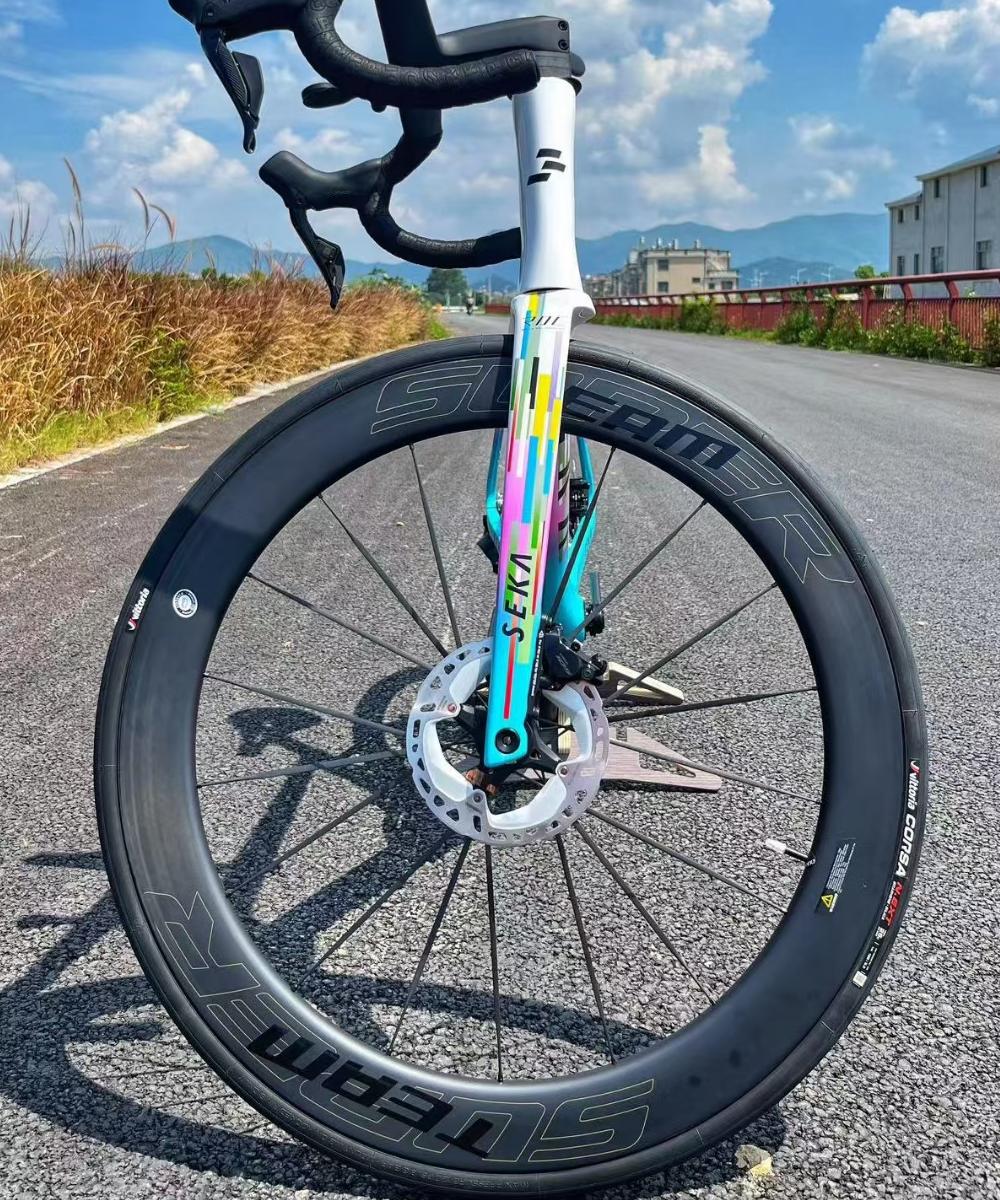
8. Choose the Right Tires and Check Tire Pressure
Your tires are the only contact points between your bicycle and the road, making them particularly important during winter.
For road cycling, wider tires may offer additional comfort and allow suitable pressure adjustments within the manufacturer's recommended range.
On wet roads, a tire with an appropriate compound and construction can provide reliable performance. However, no tire can guarantee grip on ice.
If you regularly encounter snow or icy paths, dedicated winter tires designed for those conditions may be more appropriate than standard road tires.
Before every ride, check tire pressure and inspect the sidewalls for cuts or damage.
Remember that the correct pressure depends on tire width, rider weight, rim compatibility, and road conditions. Avoid simply copying the pressure used during summer.
9. Prepare Your Bicycle for Winter Maintenance
Winter cycling equipment also includes the components that keep your bicycle working reliably.
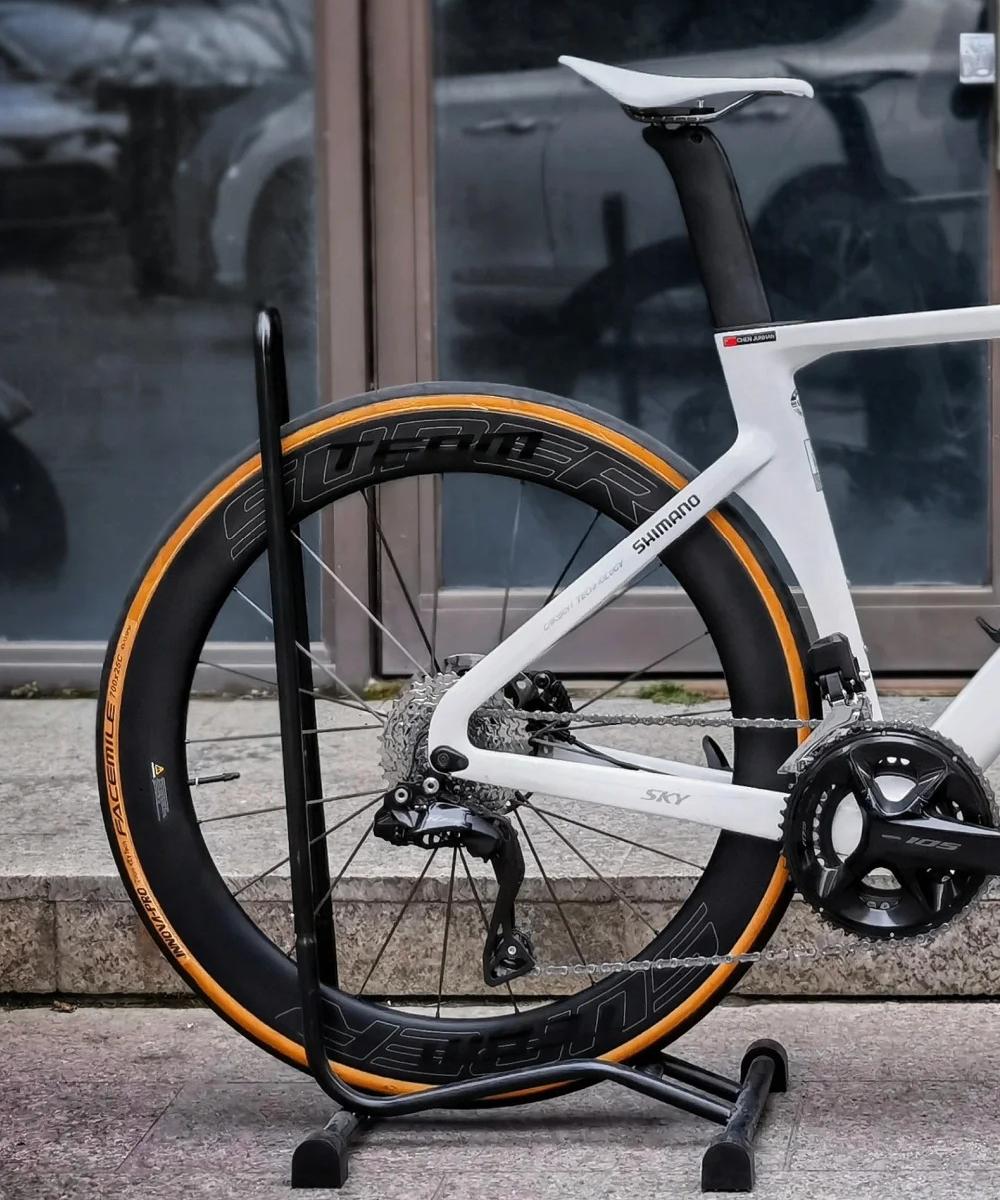
Moisture and road debris can accumulate around the drivetrain, brakes, and wheel hubs. Clean your bicycle regularly, particularly after riding through rain or on roads treated with salt.
Lubricate the chain with a product suitable for wet conditions when necessary. Wipe away excess lubricant to reduce dirt accumulation.
Inspect brake pads, rotors, cables, and tire condition. If you use carbon fiber wheels, follow the manufacturer's maintenance and braking recommendations.
A quick inspection after each wet ride can help identify problems before they become more serious.
Conclusion
The right winter cycling gear makes cold-weather riding considerably more manageable. Start with a moisture-wicking base layer, add suitable insulation, and protect your hands, feet, and head from cold airflow.
Do not overlook practical equipment such as front and rear lights, repair tools, and appropriate tires. These accessories contribute to both comfort and safety.
You do not need to purchase everything at once. Begin with the equipment that addresses the biggest challenges in your local climate, then gradually improve your setup.
With proper preparation, winter can remain an enjoyable season for road cycling rather than a reason to stop riding.