
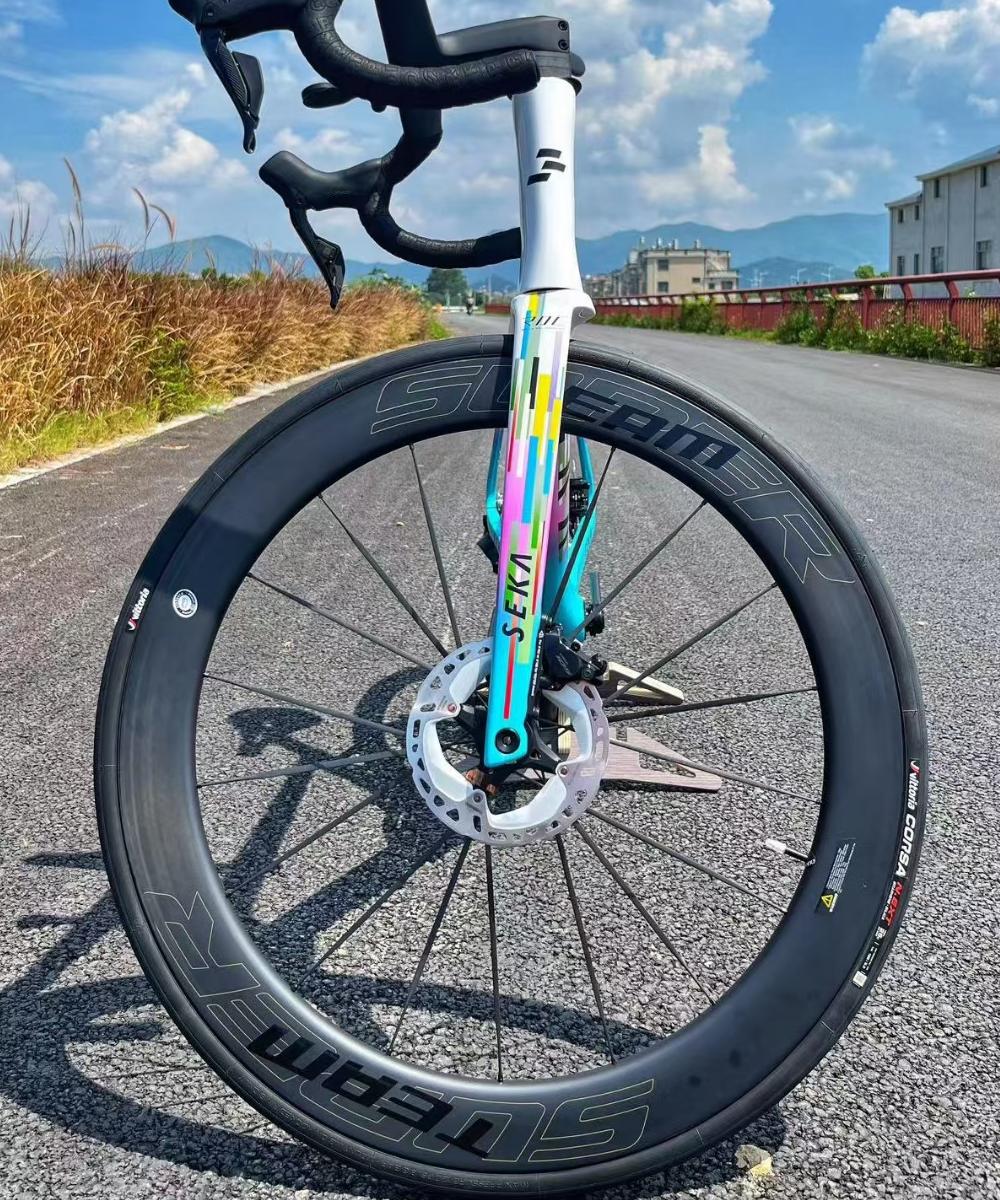

Carbon Wheels in Winter: Cold Weather, Wet Roads, and Maintenance Tips
Carbon Wheels in Winter: What Cyclists Should Know
Carbon wheels in winter can be a reliable option for road cyclists who want to continue training throughout the year. Cold temperatures do not automatically prevent carbon fiber wheelsets from being used, but winter conditions can place greater demands on bicycle equipment and rider awareness.
Rain, road salt, mud, frozen surfaces, and fluctuating temperatures may affect braking, traction, component cleanliness, and overall riding comfort. These factors are more relevant to winter wheel performance than simply whether a rim is made of carbon fiber.
Before taking a carbon wheelset out in winter, it is worth understanding how cold weather affects the riding experience and which maintenance habits can help keep the wheels in good condition.
Does Cold Temperature Affect Carbon Fiber Wheels?
Carbon fiber composites are engineered materials made from carbon fibers combined with resin. Bicycle rims are manufactured to provide specific structural properties, including stiffness, strength, and resistance to loads encountered during riding.
Normal winter temperatures are not, by themselves, a reason to avoid using a properly manufactured carbon wheelset. Nevertheless, cyclists should avoid assuming that all carbon products behave identically. Resin systems, manufacturing quality, construction methods, and product specifications vary between wheelsets.
The main practical concern in winter is often the possibility of impacts. Cold-weather roads can contain potholes, sharp stones, frozen ruts, or other obstacles that may be difficult to see. Hitting an obstacle at speed can damage a rim regardless of its material.
Cyclists should reduce speed on unfamiliar roads, avoid riding through deep potholes when possible, and inspect their wheels after significant impacts.
Riding Carbon Wheels on Wet and Slippery Roads
Winter often means riding in rain, mist, or on damp pavement. Wet road conditions can reduce tire grip, particularly when surfaces contain leaves, dirt, oil, or other contaminants.
Carbon wheels do not directly improve tire traction. Grip depends on the tires, tire pressure, road surface, temperature, and riding technique.
For winter cycling, choosing tires with a suitable width and tread design can help improve comfort and confidence. Many road cyclists prefer slightly wider tires for winter training because they may allow a lower pressure within the tire and rim manufacturer's approved limits.
Lower pressure can increase the tire's contact area and improve its ability to conform to uneven road surfaces, although pressure should not be reduced excessively. Too little pressure may increase the risk of pinch flats, rim strikes, tire instability, or other problems depending on the tire system.
On slippery roads, smooth steering, controlled braking, and avoiding abrupt acceleration are more important than trying to maximize wheel performance.
Road Salt and Carbon Wheel Components
Road salt is commonly used to reduce ice formation in winter. Although carbon fiber itself does not rust like steel, a bicycle wheelset contains other materials that may be vulnerable to corrosion or wear.
Hubs, bearings, spoke nipples, disc-brake hardware, and other metal components can accumulate salt and moisture. Over time, neglecting cleaning may contribute to corrosion, reduced component life, or maintenance problems.
After riding on salted roads, rinse the wheelset using clean water. Pay attention to the areas around the hub, spokes, rim bed, valve, and brake components. Use a gentle cleaning method rather than high-pressure water, which can force moisture into bearings and seals.
Dry the wheelset before storing it. If you ride frequently in winter, a quick inspection and cleaning routine can prevent dirt and salt from accumulating over several rides.
Winter Braking: Carbon Rim Brakes vs. Disc Brakes
Braking is one of the most important considerations for winter cyclists.
Carbon rim-brake wheelsets use a braking surface designed to work with compatible brake pads. In wet conditions, braking response may be less immediate than on dry roads, so cyclists should begin braking earlier and apply force progressively.
Using the wrong brake pads can compromise performance and may damage the braking surface. Riders should follow the manufacturer's recommendations and inspect pads regularly for wear or embedded debris.
Disc-brake carbon wheelsets offer a different braking arrangement. The brake rotor provides the braking surface, while the carbon rim is not used directly for braking. This can be advantageous in wet conditions, although disc brakes are still affected by water, mud, pad wear, rotor contamination, and tire traction.
Neither braking system removes the need for cautious riding. In winter, riders should allow extra stopping distance and avoid sudden braking on surfaces where grip is limited.
Tire Pressure and Winter Wheel Setup
Temperature changes can affect tire pressure, making it worthwhile to check pressure before every winter ride rather than relying on the previous day's measurement.
The correct pressure depends on tire width, rim internal width, rider and bike weight, road conditions, and whether the tire is tubeless or tube-type. There is no single tire pressure that works for every winter cyclist.
A slightly lower pressure than your summer setup may improve comfort and grip on rough roads, but it should remain within the approved limits of the tire and wheel system.
For winter training, a wider tire may be worth considering if the frame, fork, and wheelset provide sufficient clearance. More tire volume can help absorb road vibration and improve comfort during longer rides.
A Simple Winter Carbon Wheel Maintenance Routine
After a winter ride, remove visible dirt and road salt with clean water. Wipe the rim and spokes with a soft cloth, and pay attention to the hub area.
Check the tire for cuts, embedded debris, and unusual wear. Inspect the rim for visible damage, particularly after riding on rough roads.
For disc-brake wheels, check rotor cleanliness, pad wear, and signs of contamination. For rim-brake wheels, clean the braking surface and inspect the brake pads.
Store the wheels in a dry place away from unnecessary moisture and extreme environmental conditions.
Are Carbon Wheels Worth Using All Winter?
For cyclists who continue riding outdoors throughout winter, carbon wheels can remain a worthwhile investment. Their weight, aerodynamic characteristics, and responsive feel are still relevant during winter training.
The key is to choose a wheelset that fits your route, tire requirements, braking system, and riding conditions.
Winter cycling is not about chasing maximum speed on every road. It is about maintaining consistency, riding safely, and keeping equipment in good condition. With sensible tire choices, careful braking, and regular cleaning, carbon wheels can be used for much more than summer racing.