
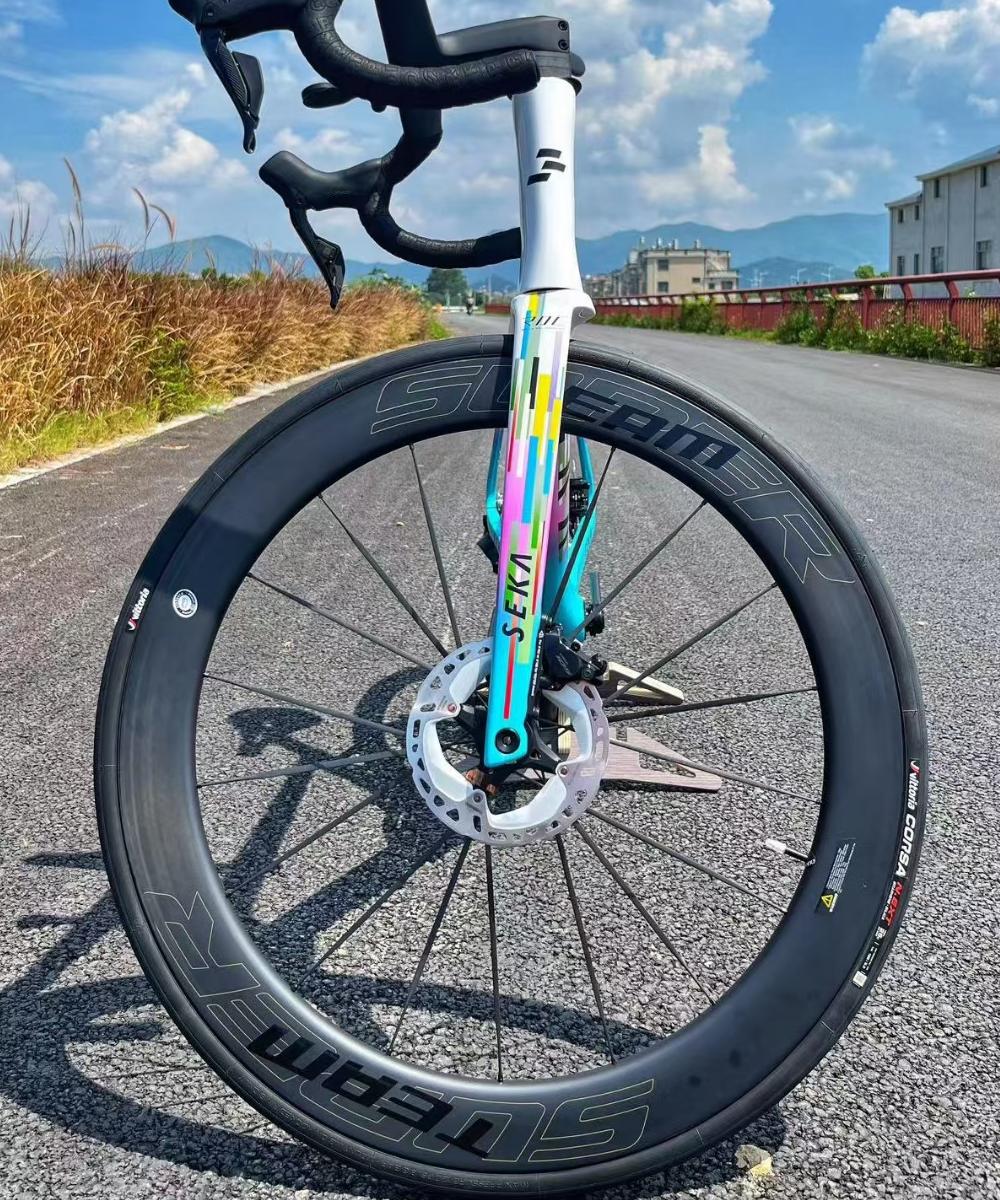
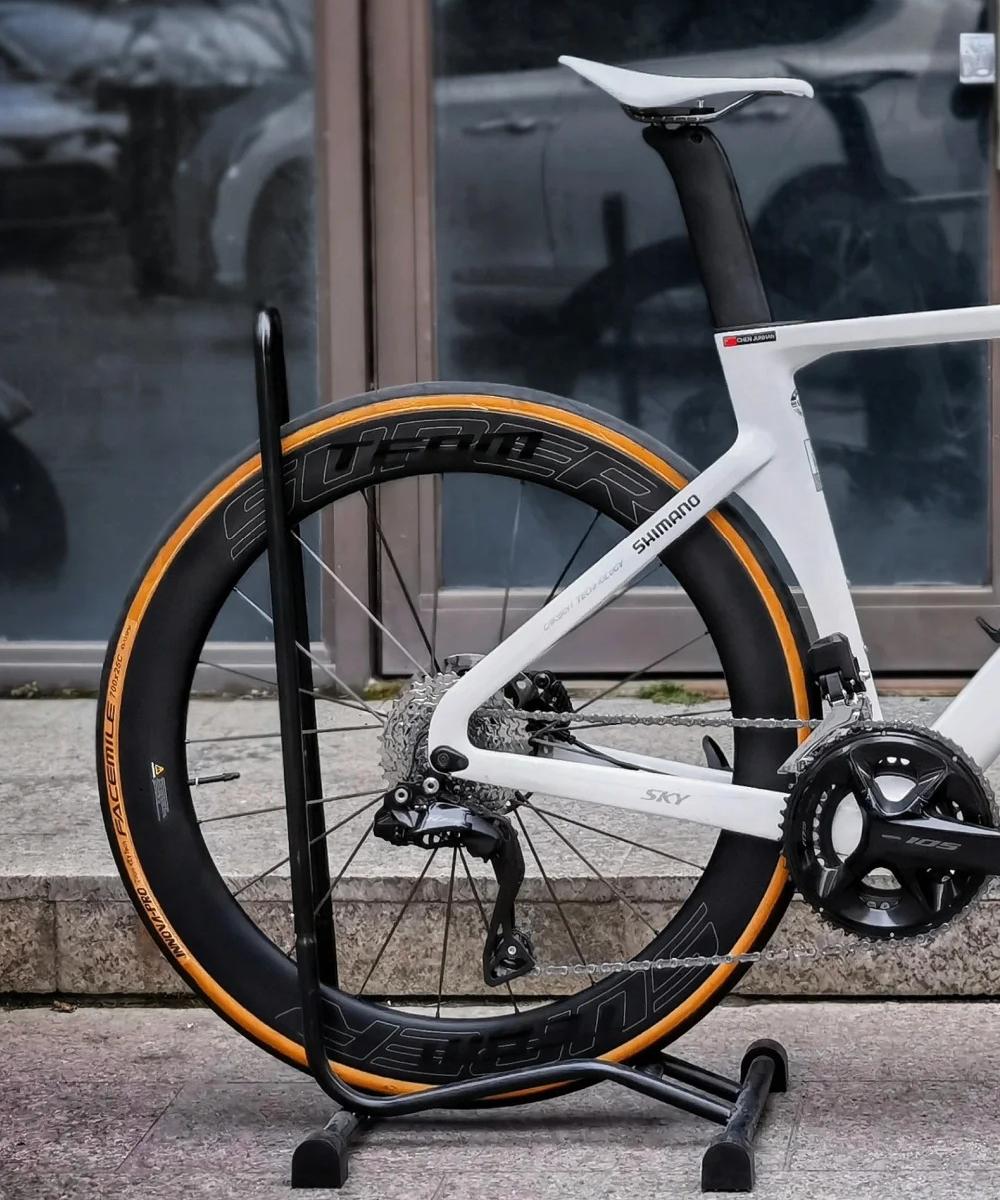
Black Friday Wheelset Sale: Choose Wheels by Riding Style
A rider who spends every weekend climbing mountain roads should probably not buy the same wheelset as someone racing on flat roads.
That sounds obvious, yet Black Friday shopping often pushes people in the opposite direction. A large discount, low weight, or deep rim can make one product look universally better.
It is not.
The right Black Friday wheelset Sale should start with how you ride. Once that is clear, rim depth, weight,t and hub specifications become much easier to evaluate.
Best Wheelset Characteristics for Climbing
Climbing riders tend to care about weight and acceleration.
Every time the road turns upward, the bicycle has to overcome gravity. Reducing mass can therefore be useful, especially when the wheelset is used on repeated climbs and descents.
A climbing-oriented wheelset does not necessarily need an extremely shallow rim.
A moderate rim depth can provide some aerodynamic benefit without making the wheelset excessively heavy.
What to Prioritize
For mountain-oriented road riding, consider:
Low overall wheelset weight
Reasonable rim depth
Reliable hubs
Good braking performance
Appropriate tire width
Sufficient durability for rough descents
One practical point is often missed: climbing is only half the ride.
If your route includes long descents, the wheels also need to remain stable and predictable when speed increases.
Best Wheelset Characteristics for Fast Road Riding
The situation changes on flat or rolling roads.
At higher speeds, aerodynamic drag becomes a larger part of the total resistance. This is where deeper carbon rims can become attractive.
A 45–50 mm wheelset is a common middle ground for riders who want an aerodynamic focus without going to an extremely deep profile.
Why Rim Depth Matters
A deeper rim can reduce aerodynamic drag under appropriate conditions.
But deeper is not automatically faster in every situation.
Wind direction, yaw angle, rider position, tire width,th and rim shape all influence aerodynamic performance.
For most non-professional riders, a well-designed mid-depth wheelset is often more versatile than an extreme aero setup.
Wheelsets for Everyday Training
An everyday wheelset has a different job.
It needs to work repeatedly.
That means durability, serviceability,ity and compatibility can matter more than saving the last 50 grams.
If your bike is used for commuting, weekend rides, structured training, and occasional long-distance events, a balanced carbon wheelset may make more sense than a highly specialized racing wheel.
What Makes a Good Training Wheel?
Look for:
Reasonable weight
Moderate rim depth
Strong support for replacement parts
Widely available tire compatibility
Reliable hubs
Clear warranty terms
This is where a slightly heavier wheelset can sometimes be the smarter choice.
You are buying for thousands of kilometers, not a single race.

Wheelsets for Endurance Riders
Long-distance riders often have different priorities from racers.
Comfort, stability, and reliability can become more important than marginal aerodynamic gains.
Modern endurance road bikes frequently use 28 mm or wider tires. That means rim width deserves careful attention.
The goal is to create a suitable tire-and-rim combination rather than selecting a rim width in isolation.
Why Tire Width Matters
A wider tire can allow lower pressures on appropriate roads, potentially improving comfort and grip.
However, compatibility depends on the wheel manufacturer's specifications and the bicycle frame.
Before buying a wheelset, check the recommended tire range.
Wheelsets for Racing
Racers usually have a clearer reason to prioritize aerodynamics.
If most of your riding is done at higher speeds, a deeper aerodynamic wheelset may offer more practical value than an ultra-light climbing setup.
But race-focused does not mean “deepest possible rim.”
Handling remains important.
A wheel that feels difficult to control in gusty conditions can become a disadvantage, particularly on exposed roads.
The best race wheel is one you can ride confidently.
How to Compare Wheel Weight and Aerodynamics
This is one of the most common debates in wheel selection.
Should you buy a 1,250 g lightweight wheelset or a 1,450 g aerodynamic wheelset?
There is no universal answer.
Consider your typical speed and terrain.
If you frequently ride long climbs at moderate speeds, weight may have greater importance.
If your rides involve fast flat sections, group riding, and high average speeds, aerodynamic performance may become more significant.
For many riders, the best answer is somewhere in between.
A 40–50 mm carbon wheelset can provide a useful balance.
What Makes a Good Black Friday Upgrade?
Black Friday creates a psychological temptation to buy something simply because the price is lower.
A better approach is to compare your current wheelset with the one you want to buy.
Ask:
What Will Actually Change?
If your current wheels weigh 1,800 g and the new set weighs around 1,300 g, the difference is meaningful.
If the difference is only 50 g, the upgrade may need to offer other benefits to justify the expense.
Does the New Wheelset Match Your Bike?
Check axle standards, freehub compatibility, brake type, and tire requirements.
Will You Use the New Features?
There is little value in paying more for features that do not match your riding.
Should You Buy a Wheelset Under $1,000?
For many riders, this is a realistic budget for a significant road-bike upgrade.
The market now includes carbon wheelsets with relatively low weights, modern hubs, and aerodynamic rim profiles below the $1,000 mark.
However, specifications still need to be checked carefully.
A low price should not mean accepting unclear information.
Look for published details about:
Wheelset weight
Rim dimensions
Hub type
Bearings
Spoke construction
Maximum rider/system weight
Warranty
Freehub compatibility
The more expensive option is not automatically better.
A Simple Black Friday Wheelset Decision Guide
If you are still unsure, use this basic framework.
Mostly climbing: prioritize lower weight and responsive handling.
Mostly flat roads: give more attention to aerodynamics and rim depth.
Mixed terrain: choose a moderate-depth carbon wheelset.
Long-distance riding: prioritize reliability, tire compatibility, and stability.
Racing: prioritize aerodynamic performance while keeping handling predictable.
Everyday riding: look for a balanced specification and strong after-sales support.
This approach is much more useful than searching for a single “best wheelset.”
Final Thoughts
A Black Friday wheelset Sale can be an excellent time to upgrade, but the right purchase depends on your riding rather than the size of the discount.
Climbers, racers, endurance riders,s and everyday cyclists have different priorities.
Once you identify yours, the decision becomes simpler.
Compare the wheelset weight, rim depth, width, hubs, compatibility, ty and support. Then compare the final price.
That is a more reliable way to find a carbon road bike wheelset that remains useful long after Black Friday is over.
FAQ
Q1. What is the best Black Friday wheelset Sale option for climbing?
A lightweight carbon wheelset with a moderate rim depth can be a strong choice for climbing-focused riders, especially when the route includes frequent elevation changes.
Q2. What are the best Black Friday road bike wheels for flat roads?
Riders who frequently ride fast, flat roads may prefer a mid-to-deep aerodynamic carbon wheelset, provided they are comfortable with its handling characteristics.
Q3. Are 50 mm carbon wheels good for everyday road riding?
A 50 mm carbon wheel can be a practical all-round option for many road riders. It provides an aerodynamic focus while remaining less specialized than very deep rims.
Q4. Should endurance riders choose lightweight or aero wheelsets?
Endurance riders should consider a balance of weight, aerodynamics, comfort, tire compatibility,ity and reliability rather than focusing on one specification.
Q5. How do I choose a carbon wheelset during Black Friday?
Start with your riding style and bike compatibility. Then compare wheel weight, rim depth, width, hubs, bearings, tire compatibility, warranty, and final price.