


The Rise of One-Piece Carbon Wheel Designs: Benefits and Trade-Offs
Introduction: What Are One-Piece Carbon Wheels?
In the ever-evolving world of cycling technology, one of the most talked-about innovations in wheel design is the one-piece carbon wheel. Unlike traditional wheelsets—where rims, spokes, and hubs are separate components assembled together—one-piece wheels are fully integrated, often molded as a single structure or bonded together to function as a unified unit.
This construction style is gaining attention among competitive cyclists, aero-focused riders, and weight-conscious athletes. But are they all hype, or do they offer real-world benefits that justify the cost and complexity?
Let’s explore the core advantages, limitations, and practical implications of one-piece carbon wheels.
What Defines a One-Piece Carbon Wheel?
A one-piece carbon wheel typically combines:
Rim, spokes, and hub shell molded together (fully integrated)
Carbon spokes that are part of the structural molding
A monocoque construction that eliminates joints and interfaces
Some wheels still feature bolt-on or bonded freehub bodies, but the rest of the structure remains continuous.
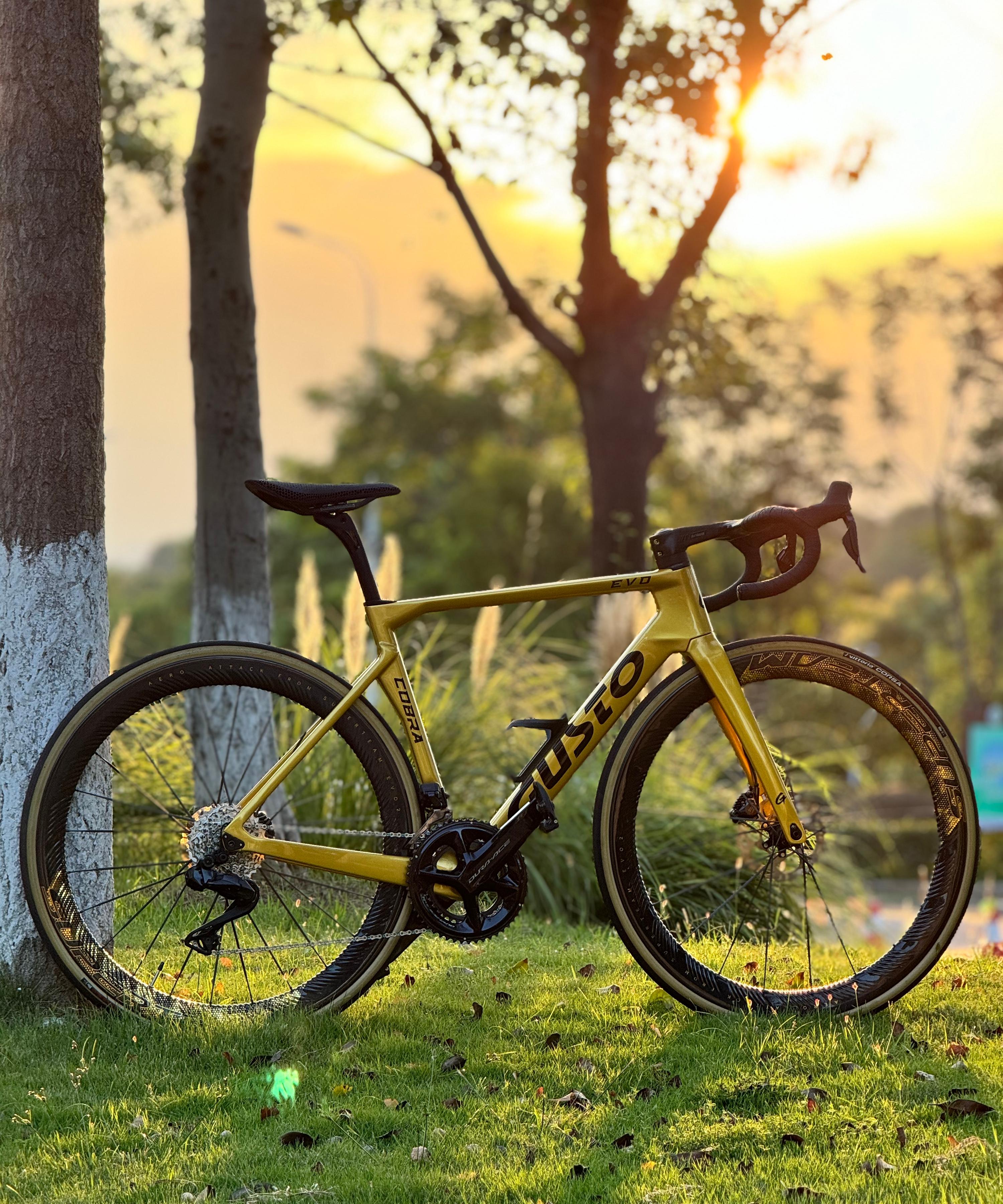
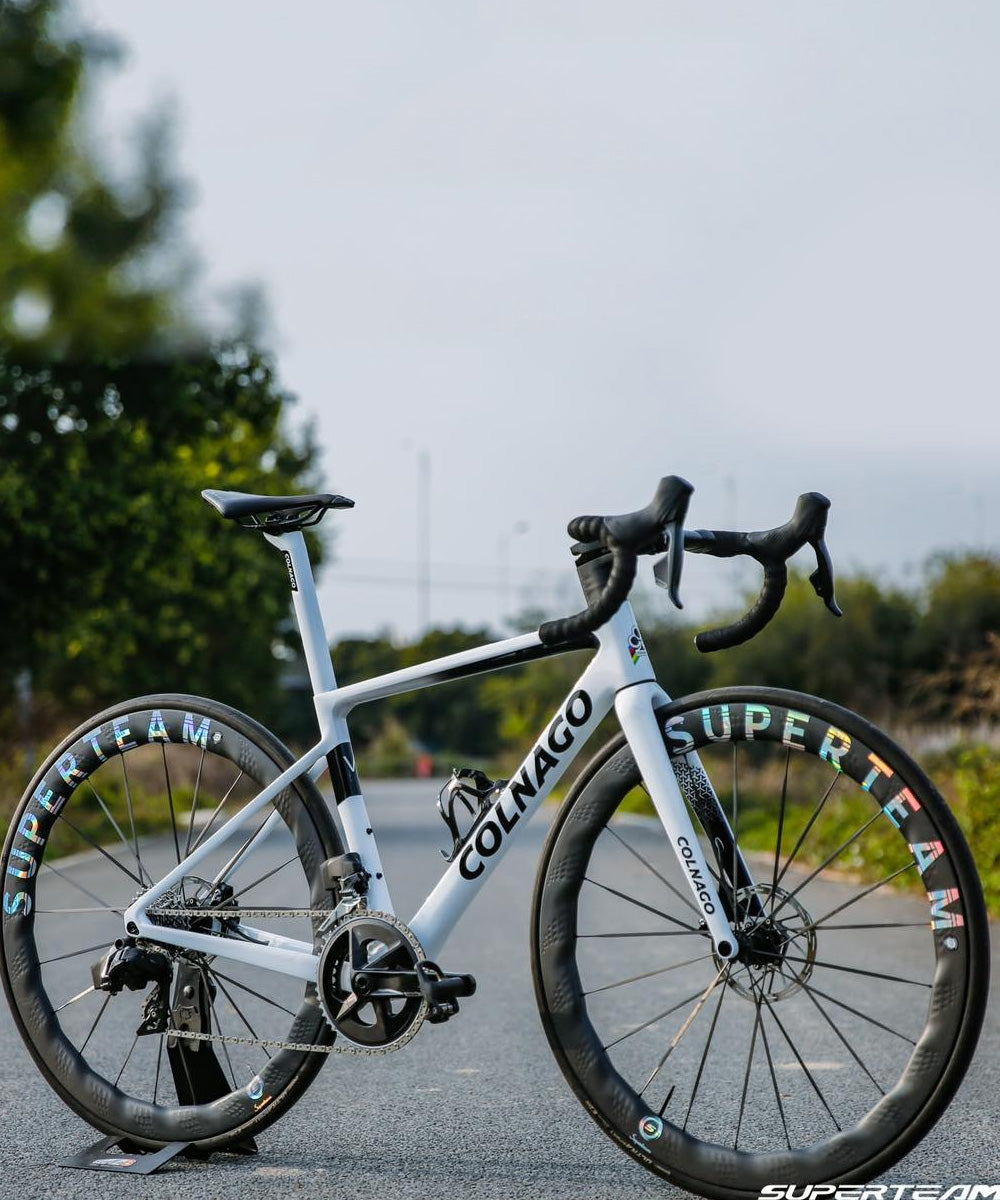
Popular examples include high-end models from brands like Lightweight, Mavic Comète, and newer entries from Superteam and Winspace.
Benefits of One-Piece Carbon Wheels
1. Superior Stiffness-to-Weight Ratio
Eliminating spoke holes, nipples, and bonding points results in increased lateral and torsional stiffness with less material. This translates to:
Snappier power transfer
Improved sprint responsiveness
Reduced rotational weight (especially at the rim)
For competitive riders, these are valuable performance gains.
2. Aerodynamic Advantage
Without spoke holes, external nipples, or spoke bulge, one-piece wheels have:
Smoother airflow over the wheel surface
Minimal drag from spoke intersections
Tighter integration between hub and rim
This can provide tangible benefits in time trials, triathlons, and road races where aerodynamics matter.
3. Structural Integrity
By molding the structure as a single unit or fusing major parts during production:
There’s less risk of spoke tension imbalance
The wheel is more resistant to deformation
There are fewer moving parts to maintain or replace
These wheels often maintain trueness longer and resist impact stress differently than traditional builds.
Trade-Offs and Limitations
1. Cost and Accessibility
One-piece wheels are typically more expensive, both in materials and manufacturing complexity. This limits their accessibility to:
Elite racers
High-end enthusiasts
Riders with specialized performance needs
For many cyclists, especially recreational or entry-level riders, the cost may not justify the gains.
2. Limited Serviceability
With no conventional spokes or nipples:
You can’t true the wheel using traditional tools
If a structural issue arises (crack, delamination), the whole wheel may need replacement
Hub upgrades or bearing replacements may be more complicated or impossible
This makes them less DIY-friendly and more reliant on brand-specific support.
3. Ride Feel and Compliance
Some riders report that one-piece wheels feel:
Extremely stiff, to the point of harshness
Less forgiving on rough roads or long gravel sections
Lacking the subtle flex that contributes to comfort over varied terrain
This makes them better suited to smooth tarmac, racing, and short high-power events, rather than long-distance endurance rides.
Ideal Use Cases for One-Piece Wheels
|
Rider Type |
Suitability |
|
Time Trial/Triathlon |
★★★★★ |
|
Road Racing |
★★★★☆ |
|
Gravel |
★★☆☆☆ |
|
Endurance |
★★★☆☆ |
|
Daily Commuting |
★☆☆☆☆ |
Are One-Piece Carbon Wheels the Future?
The answer depends on where wheel technology—and rider priorities—are heading. As manufacturers continue to refine carbon layups, resin chemistry, and hub integration, we may see one-piece wheels become:
Lighter and more comfortable
Easier to service
More affordable over time
But for now, their adoption will likely remain within the high-performance segment, where riders are willing to trade serviceability and comfort for every aerodynamic and watt-saving edge.
Conclusion: A Niche Innovation with Big Potential
One-piece carbon wheel designs offer unmatched integration, stiffness, and aerodynamics. They’re engineered for peak performance, not casual convenience. If you're chasing race-day advantages and don’t mind higher costs or limited adjustability, they could be the ultimate upgrade.
However, for most riders, traditional laced wheelsets still offer the best balance of performance, comfort, and serviceability.
As always, match your gear to your riding style—not just the marketing claims.