

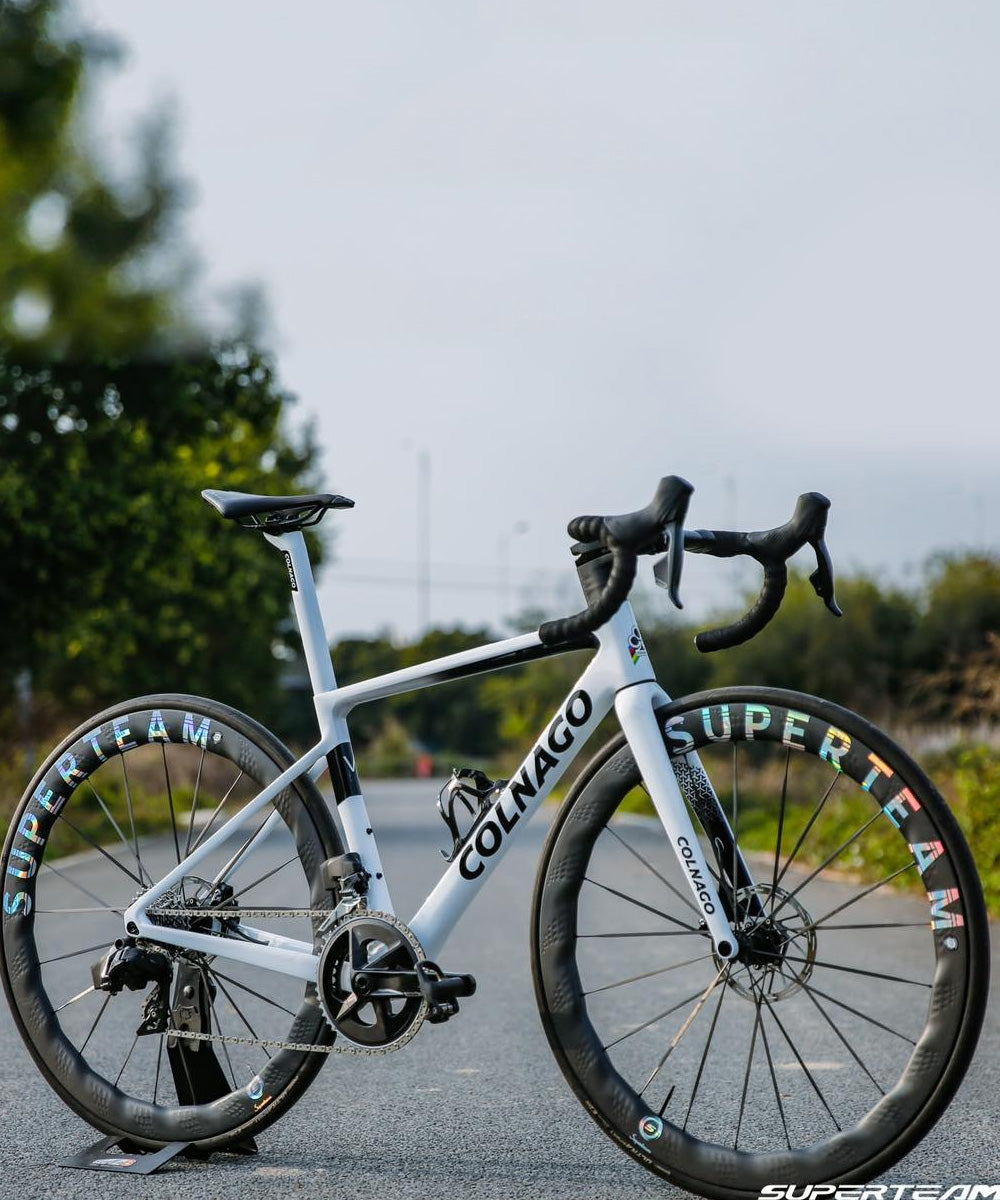


Understanding Hub Engagement and Its Impact on Training Response
Hub engagement refers to how quickly your freehub connects when you start pedaling. Inside the hub are components like pawls and ratchets that engage with the drive mechanism to transfer power from your pedals to the wheel. The speed of this engagement is measured in degrees of rotation: the smaller the angle, the faster the hub engages. A hub with more engagement points (smaller degrees per engagement) responds more quickly, giving a sense of immediate power transfer.
Fast-engaging hubs improve pedal efficiency by minimizing “dead zones,” where pedaling motion isn’t immediately translated into wheel movement. This makes accelerations, sprints, and climbs feel more responsive, allowing riders to better practice high-intensity efforts. It also enhances handling on technical terrain, as instant engagement helps maintain traction when navigating uneven surfaces or steep gradients.
Hub engagement affects power response and neuromuscular coordination. A responsive hub provides immediate resistance when force is applied, helping riders develop smoother pedal strokes, consistent power output, and controlled cadence. Over time, this contributes to more efficient training sessions and better adaptation to race-like conditions.
While faster engagement increases responsiveness, it can also add friction and require slightly more maintenance. Riders focused on endurance may prefer a balance between smooth rolling and engagement speed. Modern hubs, such as those used in Superteam wheels, are engineered to provide a precise combination of rapid engagement and low drag, ensuring both performance and reliability.
Understanding your hub’s engagement can significantly influence how your bike feels during training. A well-chosen hub system improves responsiveness, enhances power transfer, and makes every pedal stroke feel more connected, ultimately supporting more effective and enjoyable rides.