


Top 10 Must-Have Tools for Home Bike Mechanics
Working on your own bike at home is one of the best ways to save money, learn how your bike really works, and keep everything running smoothly. You don’t need a professional workshop to handle most maintenance tasks, but you do need the right tools. The following ten tools cover the majority of jobs a home bike mechanic will encounter, from basic adjustments to routine servicing.
A quality set of hex and Torx keys is the foundation of any bike tool kit. Modern bikes rely heavily on 4, 5, and 6 mm hex bolts, while many disc brake systems and chainring bolts use Torx fittings, especially T25. Well-made keys with tight tolerances reduce the risk of rounding bolts and make precise work much easier.
A torque wrench is essential, especially if your bike uses carbon components. Stems, seatposts, handlebars, and brake mounts all require specific torque values. A bike-specific torque wrench in the 2–20 Nm range helps prevent overtightening while ensuring bolts are secure enough for safe riding.
A floor pump with an accurate pressure gauge is far more useful than a small hand pump at home. Proper tire pressure affects comfort, speed, and puncture resistance. A reliable floor pump makes it easy to dial in pressure precisely for road, gravel, or mountain bike tires.
Tire levers may seem simple, but strong, smooth-edged levers are critical for removing tight tires without damaging rims—especially carbon rims. Having two or three durable levers on hand makes tire changes faster and less frustrating.
A chain tool, also known as a chain breaker, allows you to install, remove, and resize chains correctly. Whether you are replacing a worn chain or fixing a broken one, this tool is indispensable. Choose a model that supports modern narrow chains for 10-, 11-, and 12-speed drivetrains.
A chain wear checker helps you monitor chain stretch before it causes excessive wear to the cassette and chainrings. This small, inexpensive tool can save you a lot of money by letting you replace the chain at the right time instead of replacing the entire drivetrain.
A cassette lockring tool and chain whip are necessary for removing and installing cassettes. These tools allow you to replace worn cogs, clean the freehub, or swap gear ratios. Even if you only service your cassette occasionally, having these tools at home is extremely useful.
A bike-specific screwdriver set is often overlooked, but it is valuable for derailleur limit screws, brake reach adjustment, and accessory installation. Precision screwdrivers with magnetic tips help avoid slipping and damaging small components.
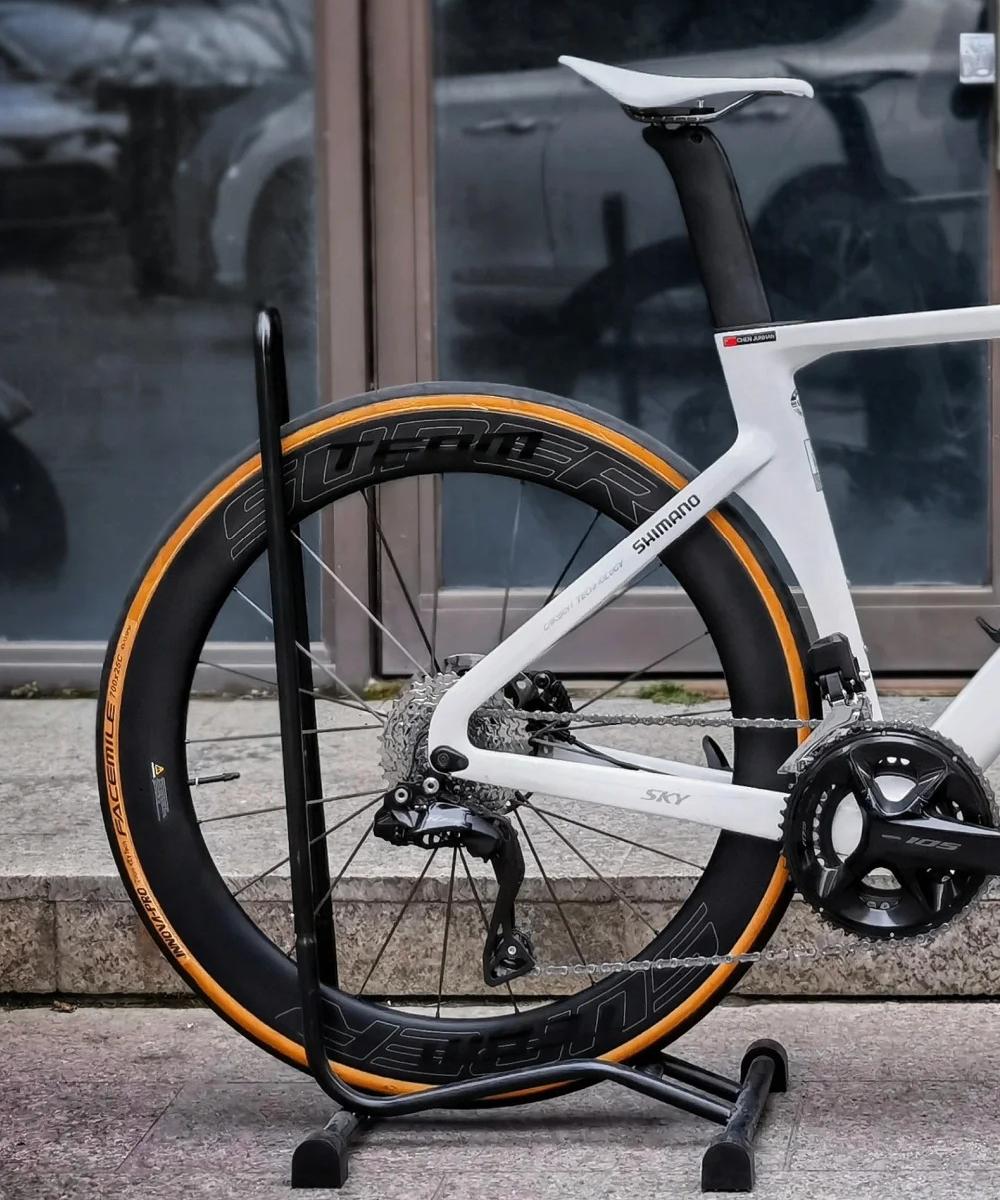
A work stand is not strictly required, but it dramatically improves efficiency and comfort. Being able to raise the bike off the ground and rotate it freely makes adjustments more accurate and reduces strain on your back and hands. For anyone doing regular maintenance, a work stand is a worthwhile investment.
Cleaning tools and lubricants complete any home workshop. A stiff chain brush, soft frame brushes, degreaser, and quality chain lubricant keep your bike running quietly and efficiently. Clean components last longer, shift better, and make maintenance work far more pleasant.
With these ten tools, a home bike mechanic can confidently handle most common repairs and adjustments. As your skills grow, you can add more specialized tools, but starting with a solid, well-chosen toolkit will keep your bike safe, reliable, and ready for every ride.