

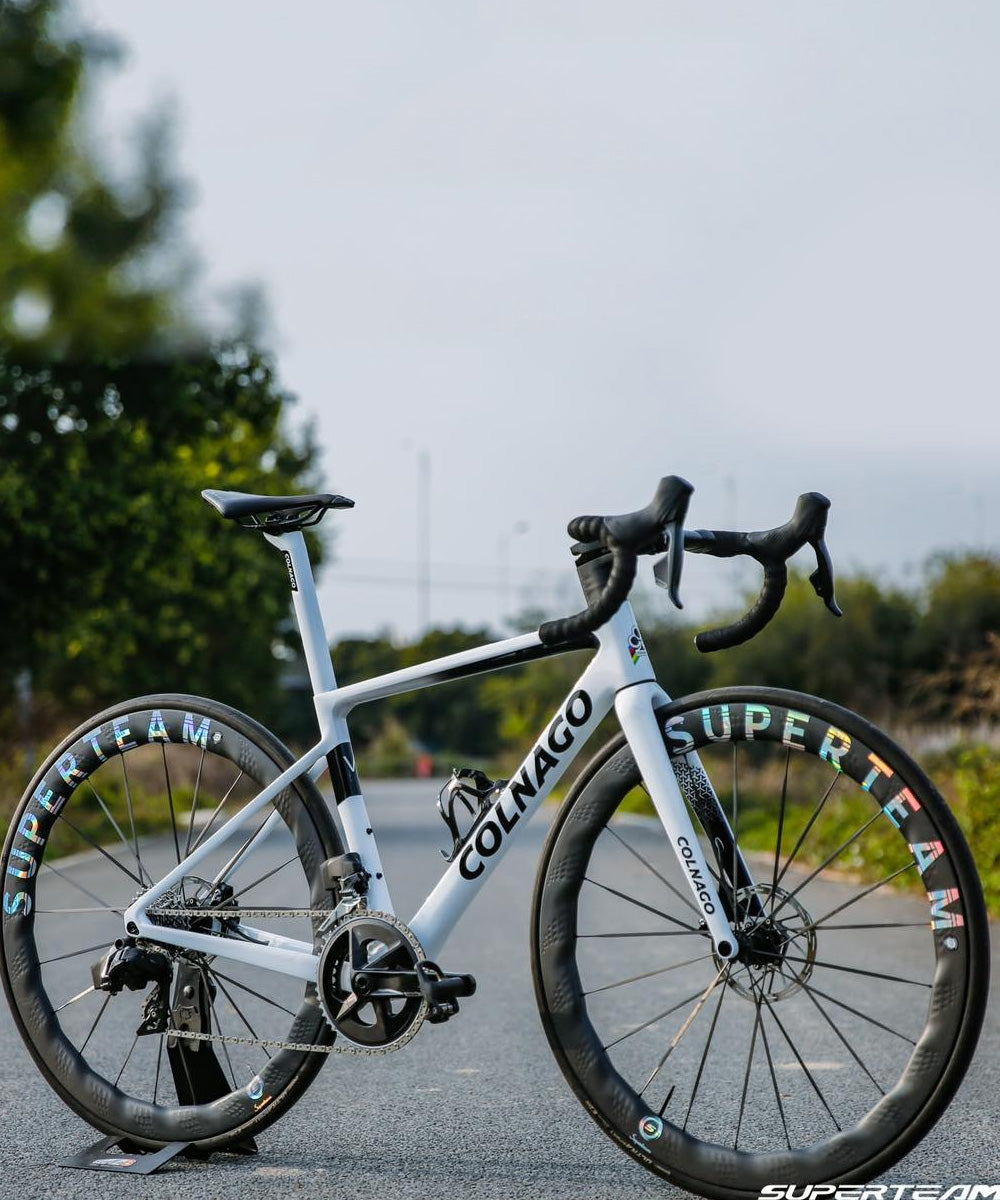


Tips for Storing Carbon Wheels in Humid Climates
Protecting Your Investment from Moisture and Corrosion
Carbon fiber wheels are known for their stiffness, light weight, and performance—but like any high-end cycling component, they need proper care to last. In humid climates, moisture poses specific threats to your wheels, especially to metallic components like spokes, nipples, hub bearings, and internal parts.
Here’s how to protect your carbon wheels when living or riding in high-humidity environments.
1. Store in a Dry, Ventilated Area
The most important rule: avoid damp, enclosed spaces. Carbon rims themselves don’t absorb water, but moisture can accelerate corrosion in metal components and degrade lubricants inside the hub.
Store wheels off the ground (use hooks or wall mounts)
Avoid basements, sheds, or garages without proper airflow
If indoors, use a dehumidifier in the storage room
2. Clean and Dry Thoroughly Before Storage
Before long-term storage, always clean your wheels and make sure they are completely dry. Trapped moisture—especially inside rim tape, spoke nipples, or around the freehub—can lead to hidden damage.
Wipe rims with a dry microfiber cloth
Use compressed air to remove moisture near the valve hole or spoke beds
If the wheels were exposed to salty air or coastal riding, rinse gently with clean water first
3. Inspect for Corrosion-Prone Areas
While carbon fiber doesn’t corrode, the aluminum nipples, steel bearings, and freehub internals are vulnerable. Look out for:
White powdery residue on aluminum parts (a sign of oxidation)
Rust spots on exposed steel
Rough spinning hubs or noise—could indicate water inside
Apply light grease or corrosion inhibitors on hub interfaces and quick-release/axle ends if storing for several months.
4. Avoid Plastic Bags or Sealed Covers
Don’t wrap carbon wheels in non-breathable materials like plastic sheeting or airtight covers. These trap moisture and can make the situation worse.
Instead, use:
Breathable wheel bags with ventilation holes
Cotton cloth covers
Silica gel packs stored nearby to absorb moisture
5. Use Rim Tape with Water Resistance
In tubeless setups, cheap rim tape can absorb moisture and degrade over time, especially when stored in high humidity. Choose quality tubeless tapes that resist water intrusion, and reapply every 6–12 months if riding or storing in damp areas.
6. Rotate Storage Position Occasionally
For long-term storage, consider rotating the wheels’ position every few months. This prevents:
Sealant pooling on tubeless setups
Tire deformation or flat spots if inflated tires are stored under pressure
Alternatively, remove the tires completely and store the rims bare.
7. Inspect Before Reuse
Before reinstalling the wheels after storage:
Check for bearing smoothness
Inspect the rim bed and tape condition
Look for cracks or bubbling in the finish
Re-grease or oil the freehub body, especially in humid storage
Even if no riding occurred, moisture exposure can still cause internal issues.
Conclusion
Carbon wheels are resilient, but humid climates can quietly damage their most vulnerable parts. By taking proactive steps—keeping them dry, ventilated, and inspected—you can dramatically extend their lifespan and keep them performing like new.
Whether you're a year-round rider or storing gear off-season, these practices will help protect your investment in all weather conditions.