


The Shift Toward All-Road Setups in Western Markets
Across Western cycling markets, the lines between traditional road, endurance, and gravel categories are becoming increasingly blurred. More riders are moving toward all-road setups—bikes and components designed to perform well across a wide range of surfaces rather than excelling at a single, narrowly defined use case. This shift reflects changes in riding habits, infrastructure, and how cyclists define performance.
Riding Conditions Are Driving Versatility
Road quality varies widely across Europe, North America, and Australia. Rough pavement, aging infrastructure, and frequent chip seal have made pure race-focused road setups less practical for everyday riding.
All-road configurations, typically featuring wider tires, lower pressures, and more compliant frames, handle these conditions with greater comfort and control. Riders are choosing setups that maintain speed on smooth asphalt while remaining composed on broken or imperfect surfaces.
Tire Technology Has Changed the Trade-Offs
Advances in tire design have played a central role in the rise of all-road setups. Modern 28–32 mm tires offer low rolling resistance, improved grip, and better comfort compared to narrower options from previous generations.
As a result, the historical trade-off between speed and comfort has largely disappeared. Wider tires at optimized pressures often match or exceed the real-world speed of narrower tires while significantly improving ride quality. This has encouraged riders to rethink what a “fast” road setup actually looks like.
Endurance Riding Is Overtaking Pure Racing
In Western markets, participation in mass-start racing has declined relative to endurance events, gran fondos, and solo riding. Many cyclists now prioritize long rides, mixed-surface routes, and year-round usability over short, high-intensity racing.
All-road setups align naturally with these goals. They reduce fatigue over long distances, increase confidence on unfamiliar roads, and allow riders to explore more varied routes without changing bikes.
Wheel and Component Choices Are Adapting
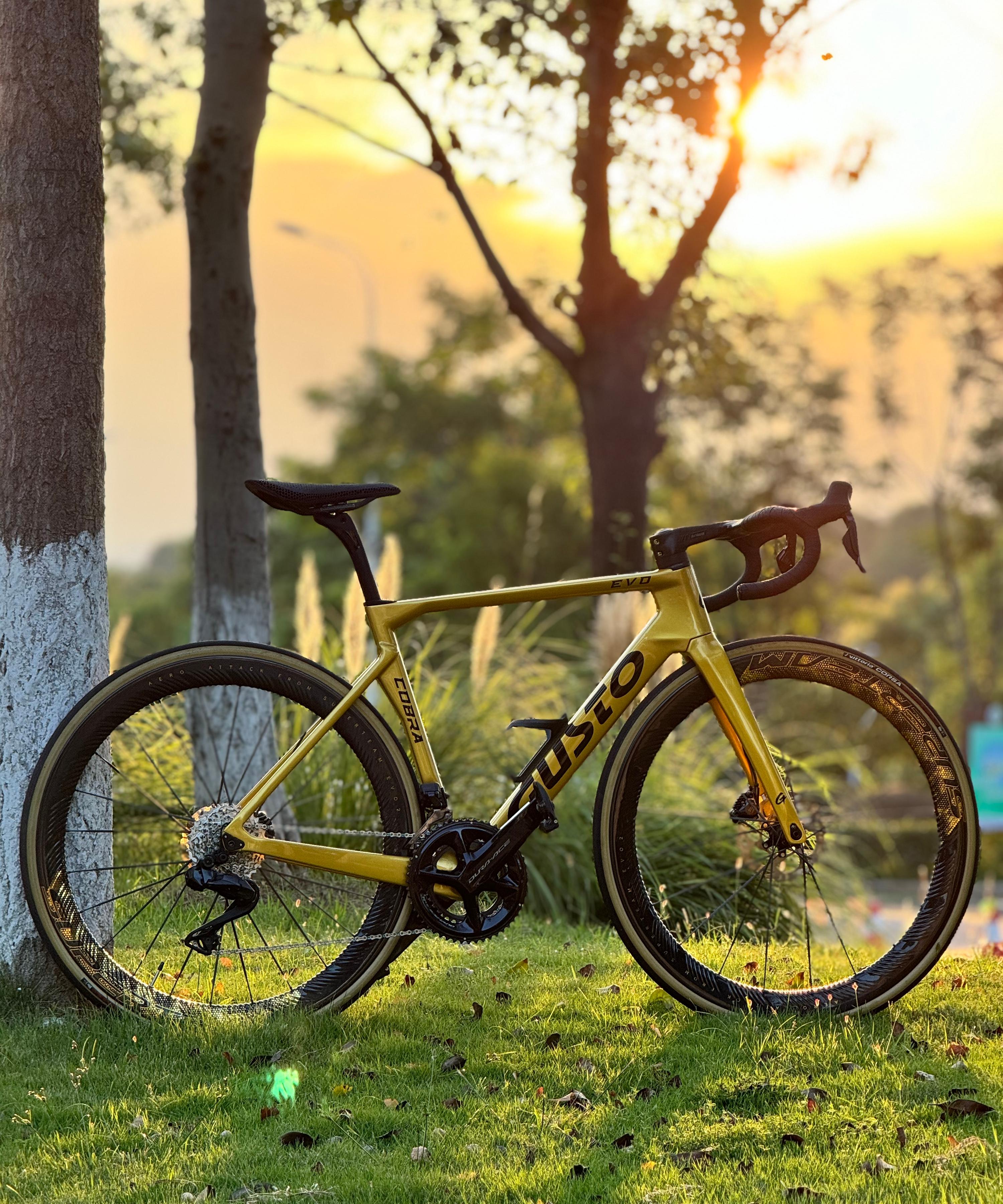
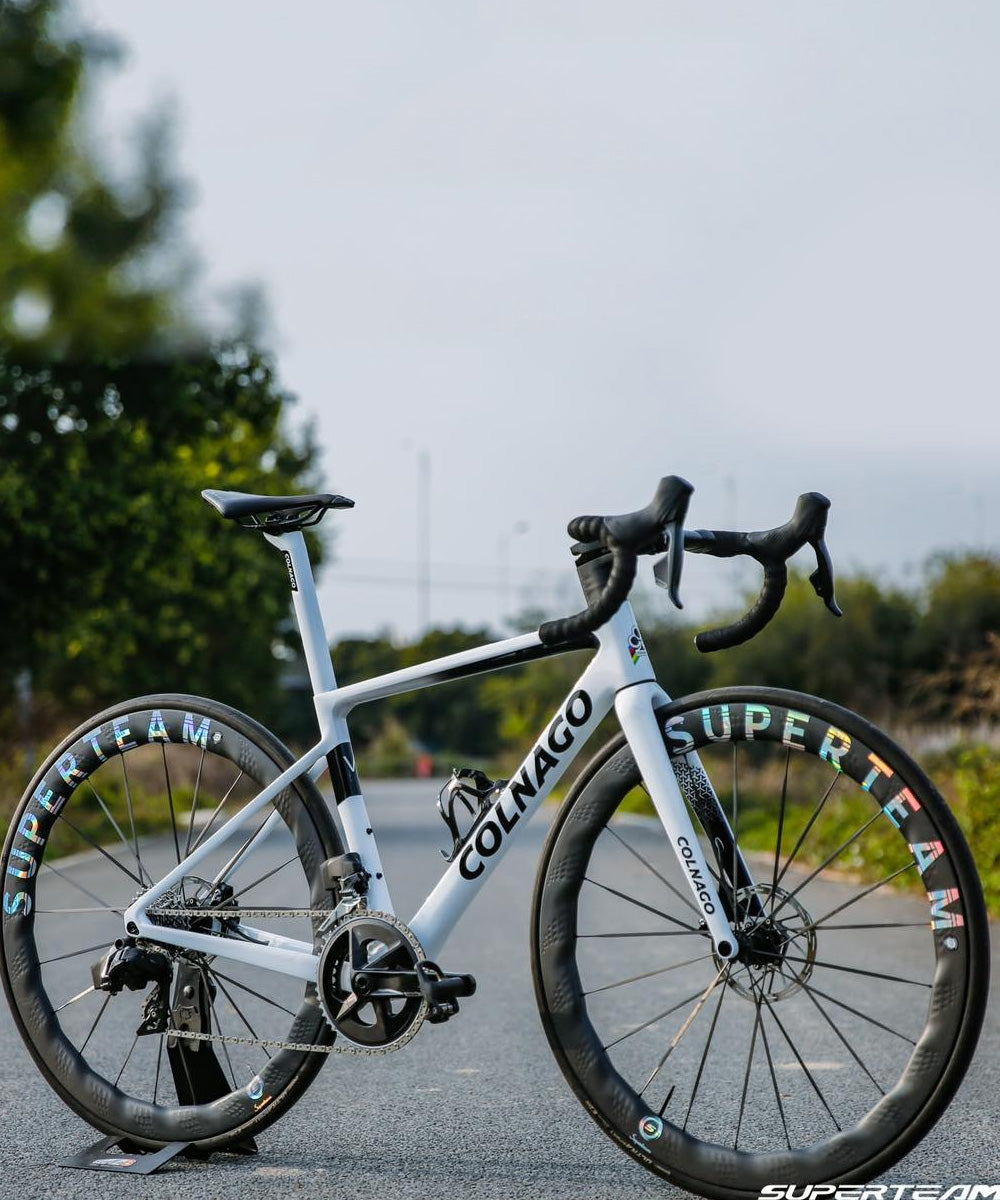
Wheelsets designed for all-road use often feature moderate rim depths, wider internal widths, and durability-focused construction. These wheels support a broader range of tire sizes and pressures while remaining efficient on pavement.
Component choices also reflect this shift. Gearing trends toward wider ranges, braking systems prioritize modulation and consistency, and cockpit setups favor comfort and control over extreme aerodynamics.
Marketing Language Is Catching Up to Reality
Manufacturers are increasingly using terms like “all-road,” “do-it-all,” or “endurance performance” rather than strict category labels. This reflects how riders actually use their bikes, rather than how products were traditionally segmented.
The success of these setups suggests that riders value flexibility more than specialization, especially when marginal gains from extreme setups are difficult to realize outside controlled conditions.
A Cultural Shift in What Performance Means
Performance is no longer defined solely by speed over short distances. Comfort, confidence, and the ability to maintain power over hours are becoming central performance metrics.
All-road setups support this broader definition. By reducing vibration, improving traction, and expanding route options, they allow riders to sustain effort longer and ride more often—both of which matter more to most cyclists than peak speed on perfect roads.
The shift toward all-road setups in Western markets is not a trend away from performance, but a redefinition of it. Riders are choosing equipment that matches real-world conditions and real-world riding goals, creating a more versatile and sustainable approach to road cycling.