


The Evolution of Wheel Spoke Count Over the Decades
The humble spoke is a critical element in wheel construction, balancing tension, strength, and weight to keep your wheel true and your ride smooth. While modern cyclists might take spoke count for granted, its evolution over the decades reflects broader trends in cycling technology, rider demands, and materials science. From the sturdy, high-count spoke wheels of the early 20th century to today’s minimalist aero wheels, spoke count has come a long way—literally and figuratively lightening the load.
1. Early Days: Strength First (1900s–1950s)
In the early decades of cycling, wheel durability was paramount. Roads were rough, bike frames were heavy, and long-distance touring was more common than racing for most riders. Typical spoke counts during this era were:
Front wheels: 32–36 spokes
Rear wheels: 36–40 spokes, sometimes more for tandem or cargo bikes
Wheels were hand-built with heavy-duty steel rims and thicker spokes, often 14-gauge or heavier. Performance wasn’t the goal—survivability was.
2. Racing Influence Begins (1960s–1970s)
As road racing grew in popularity and professional events gained prestige, lighter wheels became desirable. Racers started trimming spoke count to reduce rotational weight and improve acceleration.
Common spoke counts:
Front: 32
Rear: 36
Track wheels might have gone as low as 28 spokes
However, these lightweight builds were still limited to elite athletes, as materials and tensioning techniques hadn’t caught up to the demands of amateur riders.
3. Materials & Tensioning Improve (1980s)
By the 1980s, advances in aluminum alloy rims and butted spokes allowed wheel builders to drop the spoke count without sacrificing strength. Better tensioning tools and truing stands also improved build quality across the industry.
Standard road wheelsets:
32/32 or 36/36 (front/rear) for most riders
Lightweight setups dropped to 28/32
MTB wheels, meanwhile, retained 36+ spokes due to the greater impacts and loads encountered off-road.
4. Aero Revolution and Minimalism (1990s–2000s)
The 1990s brought an explosion in aerodynamic design. Fewer spokes meant less wind resistance, and carbon fiber began entering the wheelset world. This era introduced radical designs like:
Bladed spokes
Deep-section carbon rims
Low-spoke-count aero wheels (e.g., 16 front / 20 rear)
Brands like Mavic, Zipp, and Campagnolo led the charge, pushing boundaries while using exotic lacing patterns (radial front, 2x or 3x rear) to maintain stiffness. However, these wheels were less durable and often proprietary—difficult to repair or true.
5. Disc Brakes and Gravel Influence (2010s–Present)
Modern cycling is more diverse than ever, and that’s reflected in spoke count trends. With the rise of disc brakes, gravel bikes, and e-bikes, we’ve seen a modest return to higher spoke counts, especially for durability and lateral stiffness.
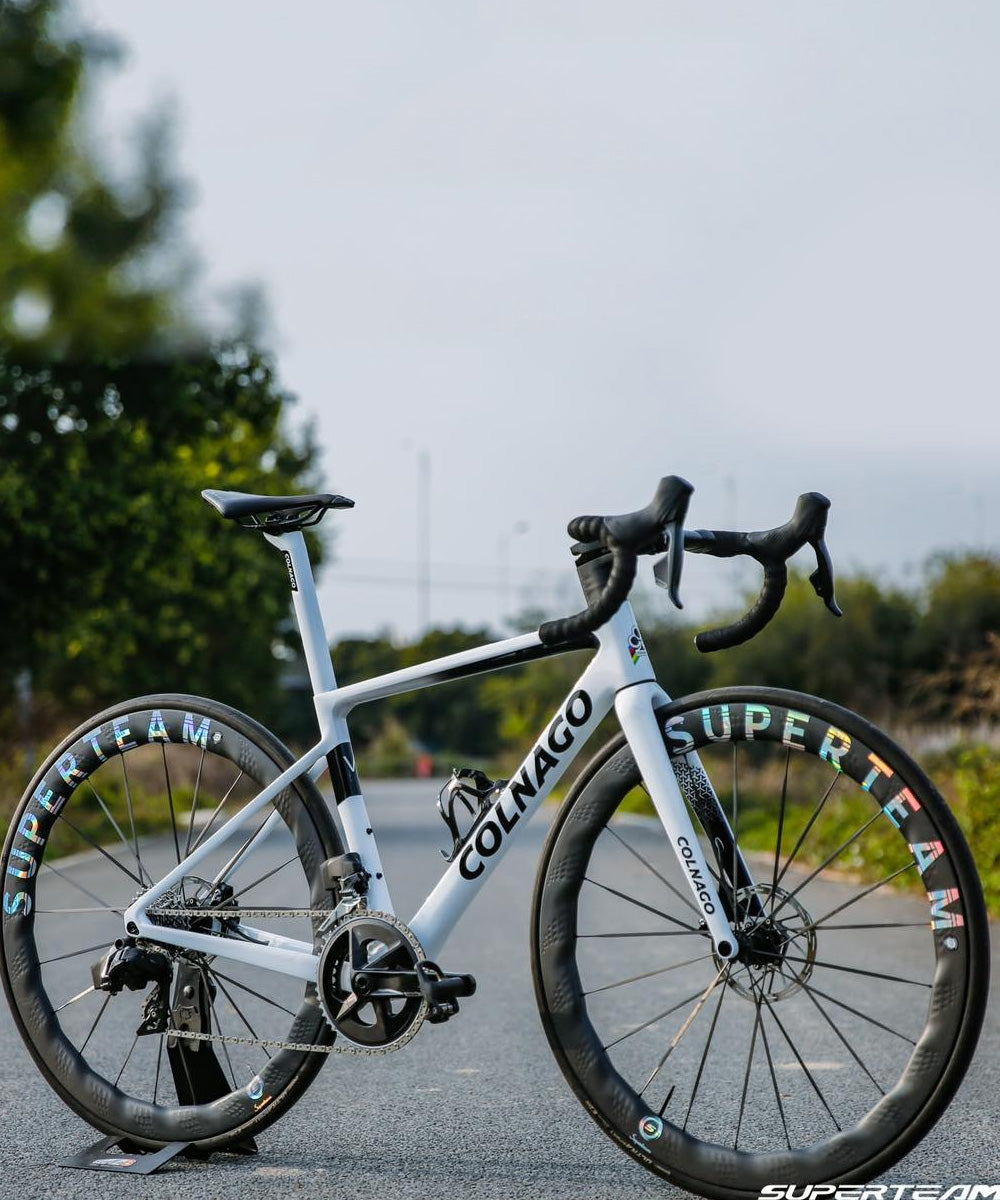
Aero road wheels: 16–24 front, 20–28 rear
Gravel/touring wheels: 28–32 spokes standard
MTB and e-bike wheels: 32–36+ depending on usage
At the same time, carbon fiber rims and straight-pull spokes have made even low-spoke-count wheels stronger and more durable than ever before.
6. Custom Builds and Rider-Specific Needs
Today, spoke count is no longer dictated by convention but by rider use-case:
Light riders / climbers: 20/24 or 24/28
Heavier riders or racers: 28/32 for added strength
Touring and tandems: 36–40+ to handle added loads
Track and triathlon: as low as 12–16 for pure speed
Many wheel builders offer custom spoke counts, and riders can fine-tune their setups based on terrain, body weight, and riding discipline.
Conclusion
The evolution of spoke count mirrors the progress of cycling itself—shifting from utilitarian strength to sleek performance, and now balancing durability, weight, aerodynamics, and rider-specific performance. As rim materials and hub designs continue to evolve, spoke count is no longer just a number—it’s a design decision grounded in science and tailored to the ride.
In today’s world of carbon wheels and wide tires, the spoke remains a critical link between you and the road—no matter how many of them there are.