

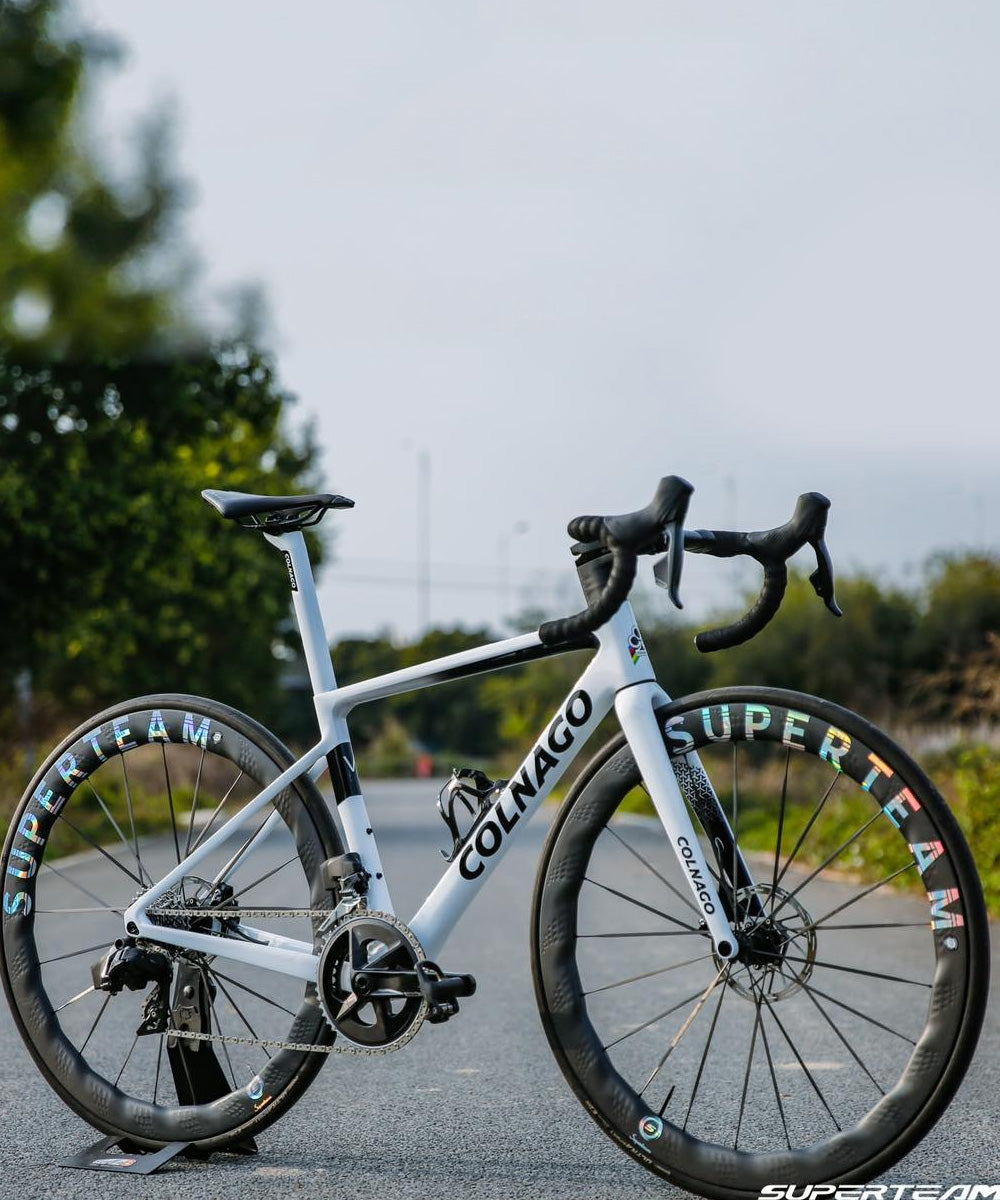


Rotor Size Selection Tools: Matching Rims and Brakes
Choosing the correct disc brake rotor size is not just about stopping power. Rotor size affects braking feel, heat management, wheel compatibility, and even noise. Using the right tools helps you match your rims, hubs, and brake system correctly, avoiding common setup problems.
A digital caliper is one of the most useful tools when selecting rotor size. It allows you to measure actual rotor thickness, hub mounting clearance, and frame or fork limits. Some frames accept both 140 mm and 160 mm rotors, but only within very tight tolerances. Accurate measurements prevent clearance issues with spokes, wide rims, or caliper bodies.
Manufacturer compatibility charts are another essential “tool,” even though they are not physical. Brake calipers, forks, and frames are designed around specific rotor sizes. Checking official specifications ensures that your chosen rotor size matches both the braking system and the wheelset you are using, especially for carbon road and gravel wheels.
Torque wrenches play a key role once rotor size is selected. Larger rotors generate more braking force and stress. Proper torque on rotor bolts ensures even mounting and reduces the risk of vibration or brake chatter, which is more noticeable on lightweight carbon rims.
Caliper alignment tools or simple pad spacers help confirm that the rotor size works correctly with your caliper position. When switching rotor sizes, caliper adapters are often required. These adapters must be installed squarely, and alignment tools help center the caliper so the rotor runs cleanly without rub.
A truing gauge or rotor truing tool is also important, particularly with larger rotors. Bigger rotors are more sensitive to small bends. Checking rotor straightness after installation ensures smooth braking and prevents intermittent noise under load.
Finally, test riding tools matter. A short bedding-in process, combined with controlled braking tests, confirms whether the chosen rotor size matches your rim and riding style. Heat buildup, modulation, and noise during these tests reveal if the rotor is properly matched.
Selecting rotor size is about balance, not just size. With proper measuring, alignment, and torque tools, you can confidently match rotors to your rims and brakes for reliable, quiet, and consistent braking performance.