

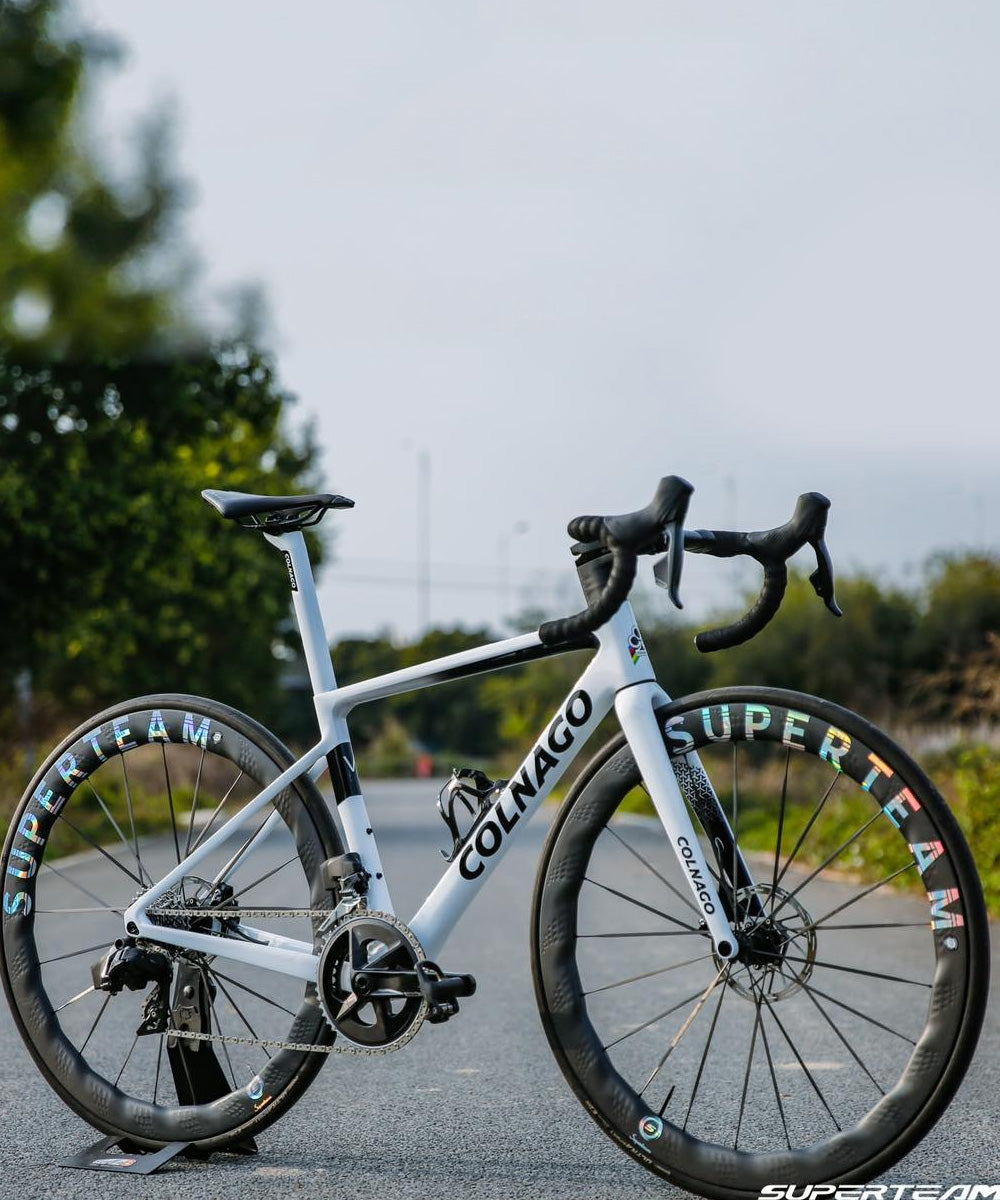


Repair or Replace? How to Decide When Your Wheelset Takes a Hit
Even the most careful cyclists face unexpected mishaps — a deep pothole, a crash, or a dropped bike can all leave your wheelset compromised. When that happens, the big question arises: should you repair or replace it? Making the right decision ensures both safety and long-term value for your gear. Here’s how to tell which route to take.
1. Assess the Damage Carefully
Start with a detailed visual inspection. Look for:
Cracks or fractures on the rim surface or near spoke holes.
Soft spots or delamination on carbon rims — often a sign of internal damage.
Bent or broken spokes that may affect wheel balance and tension.
Loose or damaged hubs or bearings.
If you notice structural cracks or feel unevenness when spinning the wheel, stop riding immediately. Continuing to ride could lead to catastrophic failure.
2. Minor Issues: Repair Is Often Enough
Some damage looks bad, but can be fixed affordably:
Small surface scratches or cosmetic chips in the clear coat are harmless.
Loose spokes or slight wobbles can be corrected with truing.
Dirty or rough bearings usually just need cleaning and re-greasing.
In these cases, professional maintenance can return your wheelset to full performance without replacement.
3. Major Structural Damage: Replace It
If your rim has visible cracks, separation between layers, or distortion in shape, replacement is the only safe option — especially with carbon fiber rims.
Unlike alloy, carbon can hide internal fractures that worsen with every ride. Riding on a compromised carbon rim risks sudden failure, which could cause a crash or further bike damage.
When in doubt, consult a trusted wheel builder or your Superteam dealer to confirm whether the wheel is structurally sound.
4. Consider the Cost vs. Value
If repairs are costly and your wheelset is several years old, investing in a new pair may be more practical. Modern wheels are often lighter, more aerodynamic, and more durable — giving you a noticeable upgrade in both performance and safety.
5. Prevent Future Damage
Once you’ve repaired or replaced your wheel, take preventive steps:
Check tire pressure regularly.
Avoid hitting curbs or deep potholes.
Clean and inspect your rims after every few rides.
Use wheel bags during transport to prevent accidental impacts.
Final Thought
Every cyclist faces that tough “repair or replace” decision eventually. The key is to balance safety, performance, and cost. If the damage is only cosmetic or minor, a quality repair can keep your wheels rolling for years. But if structural integrity is in question, replacement is the smarter — and safer — choice.
With proper care, your Superteam carbon wheels will handle the miles ahead with strength, precision, and confidence.