


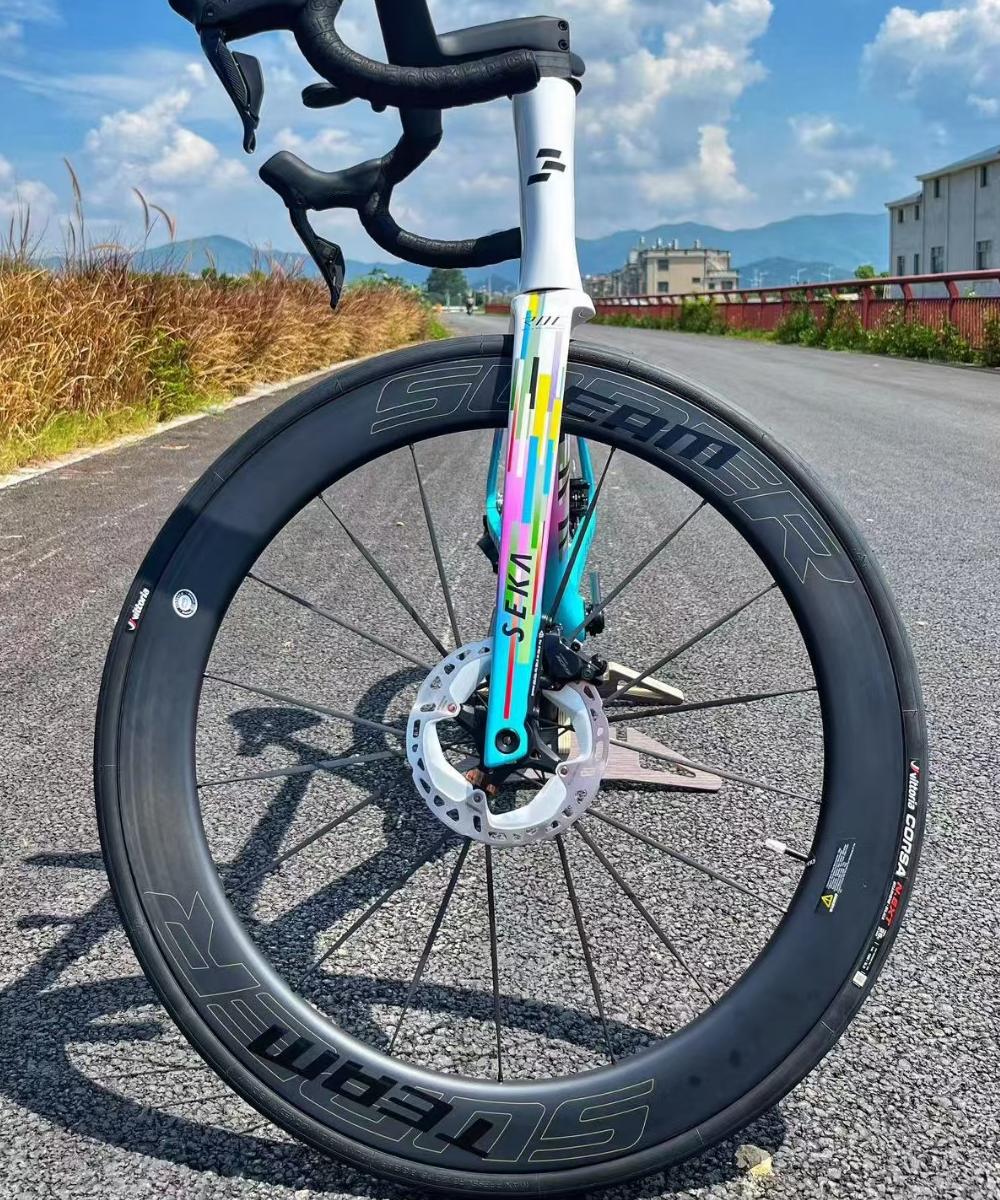

How to Identify and Replace a Broken Bike Spoke
Why timely spoke repair keeps your wheel safe, balanced, and performing as it should.
Broken spokes are one of the most common wheel issues riders face, yet many fail to notice the early signs before the problem escalates. Because every spoke contributes to the wheel’s overall tension system, even a single failure disrupts balance, accelerates fatigue on neighboring spokes, and affects handling. Understanding how to identify a broken spoke early—and how replacement works—helps keep your wheel safe, round, and reliable.
Recognizing the Early Signs of a Broken Spoke
A broken spoke is not always obvious at first glance. While some failures leave a spoke visibly dangling, others break at the nipple or hub, hidden beneath the cassette or rim tape. Most riders first notice the secondary effects: a slight brake rub, a rhythmic wobble at speed, or the sudden metallic “ping” that occurs when the spoke snaps. Because the wheel immediately loses tension balance, even a minor break can create lateral deviation that worsens with every kilometer.
Why Spokes Break: Fatigue, Impact, and Uneven Tension
Spokes rarely fail without reason. Long-term fatigue is the most common cause, especially on wheels with uneven tension distribution. When one spoke carries more load than it should, microscopic cracks form at the elbow or thread, eventually resulting in a snap. Hard impacts—potholes, curbs, rough gravel—can overload weakened spokes instantly. Corrosion, poor lacing alignment, and manufacturing inconsistencies also play a role, but the underlying theme is the same: once tension is unbalanced, failure accelerates rapidly.
How Replacement Works and Why Accuracy Matters
Replacing a broken spoke is more than simply installing a new one. A correct replacement must match the original spoke length, head type, and lacing pattern to restore the wheel’s structural balance. After threading the spoke through the hub and bringing the nipple into engagement, the wheelbuilder gradually increases tension while monitoring how the rim responds. Correcting the wheel’s lateral and radial alignment requires controlled adjustments across multiple neighboring spokes—not just the new one—so that the wheel returns to its original tension profile. Precision here is essential; otherwise, the wheel may remain straight but be structurally imbalanced.
The Importance of Post-Replacement Tension Balance
Even with a perfectly installed spoke, the job is not complete until the entire wheel’s tension is consistent. A note that rings noticeably higher or lower in tone than others indicates imbalance. High tension risks future breaks; low tension reduces stiffness and accelerates flex. A properly restored wheel redistributes load evenly across all spokes, preventing new failures and maintaining smooth handling. For carbon rims especially, accurate tension is critical to avoid rim deformation under load.
When Professional Repair Is the Safer Choice
While spoke replacement seems simple, certain wheels demand expert attention. Straight-pull systems, deep-section aero rims, and carbon wheels with tight tolerances benefit from professional truing to avoid damaging the rim or hub. If multiple spokes have failed or tension varies widely, the wheel may need a full re-tension or even a complete rebuild. Early action prevents cascading failures and extends the life of the entire wheel system.