

How to Choose the Right Handlebars for Your Bike: A Complete Beginner’s Guide
Choosing the right handlebars for your bike is one of the most important decisions you can make to improve comfort, control, and performance. While many riders focus on wheels, frames, or drivetrains, handlebars directly influence your riding posture and overall experience. Whether you are a beginner or an experienced cyclist, understanding how to select the right handlebar can significantly enhance your ride.
Why Handlebars Matter
Handlebars are your primary contact point with the bike, alongside the saddle and pedals. The right handlebar affects:
Riding comfort
Aerodynamics
Control and handling
Weight distribution
An incorrect handlebar can lead to discomfort, numbness, or even long-term injuries such as wrist pain or back strain.
Types of Bike Handlebars
Before choosing a handlebar, it’s essential to understand the main types:
1. Drop Handlebars
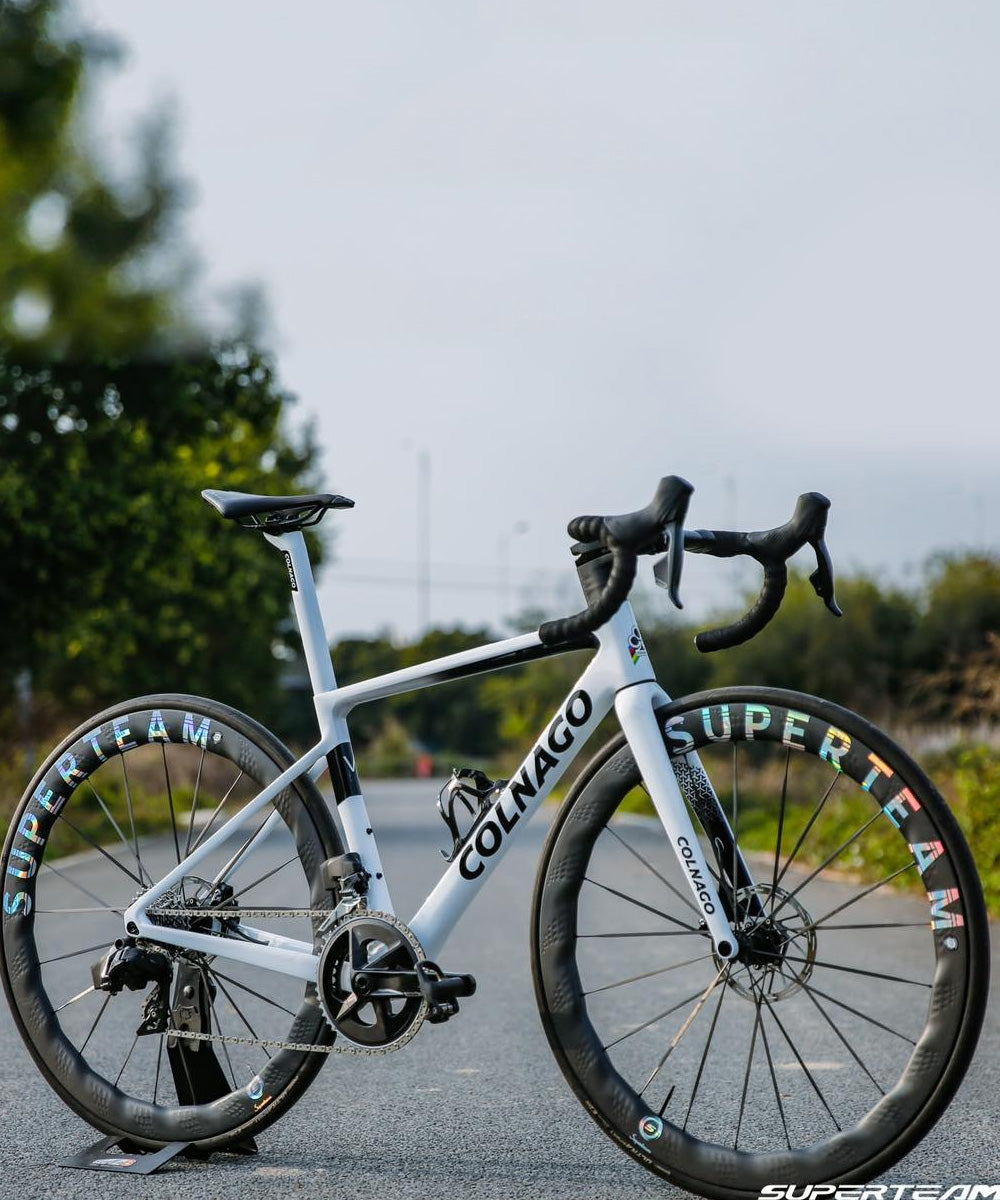
Commonly used on road bikes, drop handlebars offer multiple hand positions, allowing for both aerodynamic riding and comfort on long distances. They are ideal for speed and efficiency.
2. Flat Handlebars
Flat handlebars are popular on mountain bikes and hybrid bikes. They provide a more upright riding position, making them suitable for beginners and urban commuting.
3. Riser Handlebars
These handlebars rise slightly upward, offering better control and visibility. They are often used in mountain biking for technical terrain.
4. Bullhorn Handlebars
Bullhorn handlebars extend forward and slightly upward, often seen on time trial or fixed-gear bikes. They are designed for aggressive riding positions.
Key Factors to Consider
1. Riding Style
Your riding style is the most important factor. If you ride long distances on paved roads, drop handlebars are a great choice. For off-road trails, flat or riser handlebars offer better control.
2. Handlebar Width
Handlebar width should roughly match your shoulder width. Wider bars provide more control, while narrower bars improve aerodynamics.
3. Reach and Drop
For drop handlebars, “reach” refers to how far forward the bars extend, and “drop” refers to how low they go. Beginners should choose a shorter reach and a shallow drop for comfort.
4. Material
Handlebars are typically made from aluminum or carbon fiber. Aluminum is affordable and durable, while carbon fiber is lighter and absorbs vibrations better.
5. Comfort and Ergonomics
Look for ergonomic designs that reduce pressure on your hands and wrists. Some handlebars feature flattened tops or padded sections for extra comfort.
Common Mistakes to Avoid
Choosing handlebars that are too wide or too narrow
Ignoring your riding posture
Prioritizing aesthetics over comfort
Not testing before buying
Conclusion
Selecting the right handlebar is essential for both comfort and performance. By understanding your riding style, body geometry, and preferences, you can find the perfect handlebars to enhance your cycling experience. Take the time to test different options and make adjustments as needed. A well-chosen handlebar can transform your ride from average to exceptional.