

How to Choose the Best Carbon Road Bike Wheelset: A Complete Buying Guide
Choosing the best carbon road bike wheelset is an important decision for cyclists who want to improve their riding experience, aerodynamic efficiency, and overall bike performance. However, with so many carbon wheelsets available, selecting the right one can be challenging.
The best carbon road bike wheelset is not necessarily the lightest or most expensive model. Instead, it should match your riding style, terrain, budget, and performance expectations.
When comparing carbon road bike wheels, cyclists should consider several key factors, including rim depth, wheelset weight, rim width, hub quality, spoke design, braking compatibility, and overall construction.
This guide explains what matters most when choosing a carbon road bike wheelset and how to identify the right option for your needs.
1. Consider Rim Depth and Aerodynamic Performance
Rim depth is one of the most important factors when choosing carbon road bike wheels. It directly influences the wheelset's aerodynamic characteristics, weight, and handling behavior.
Different rim depths are designed for different riding conditions.
30–40mm: Shallow to mid-depth rims are suitable for climbing, rolling terrain, and everyday road cycling. They generally offer a good balance between weight and aerodynamic performance.
45–55mm: Mid-depth rims are versatile options for road racing, endurance riding, and all-around performance. They provide a practical balance of aerodynamics, weight, and handling.
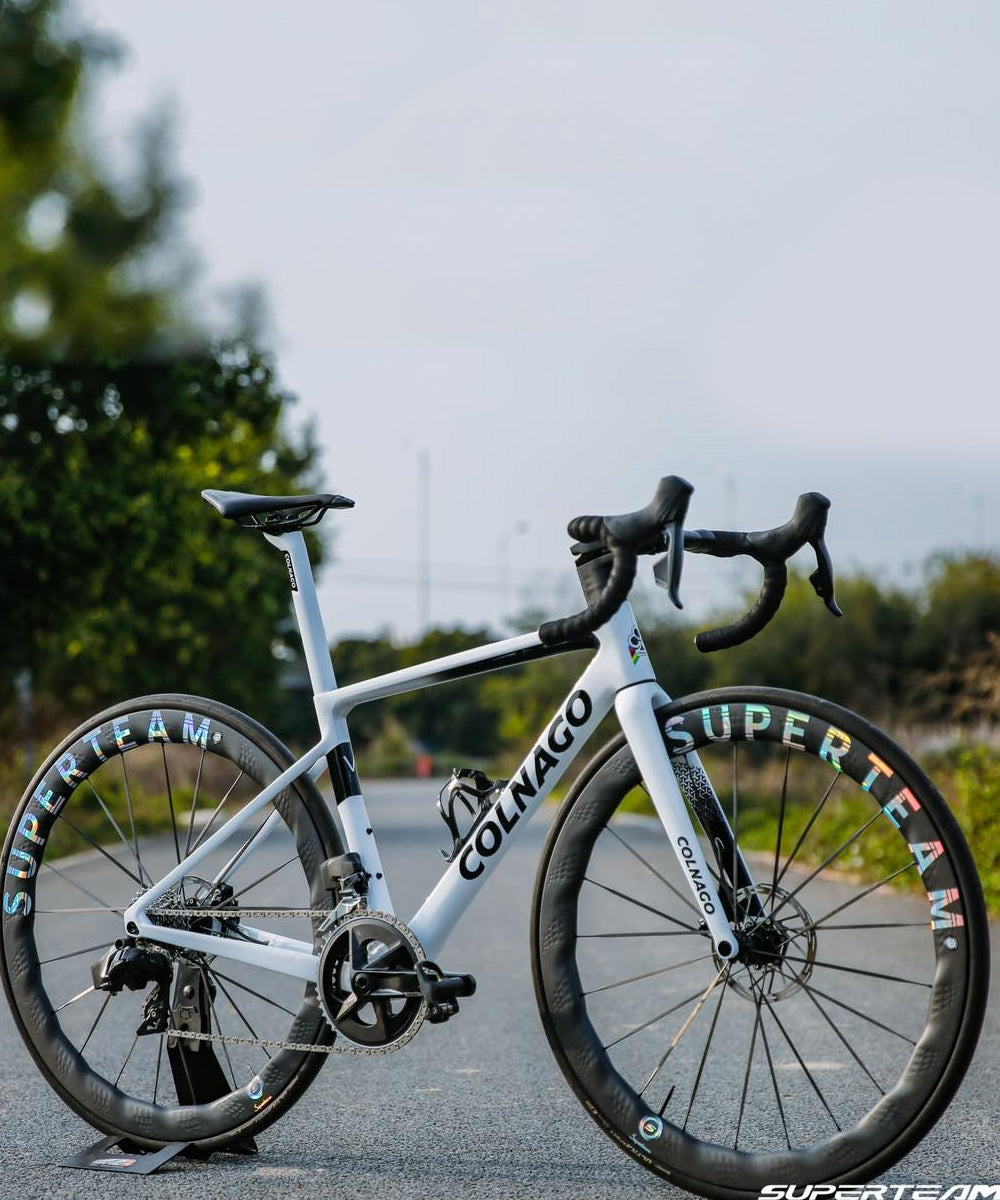
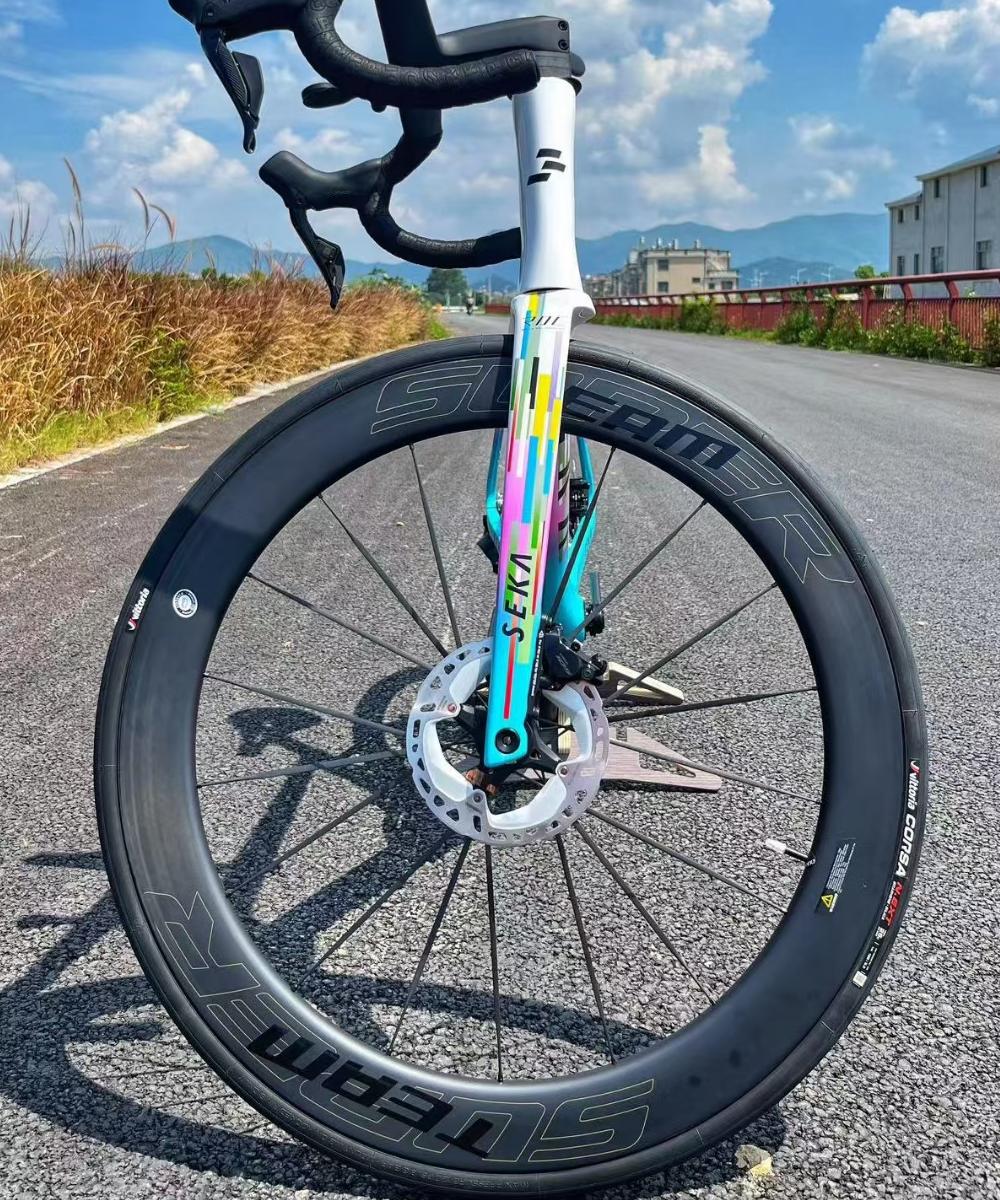
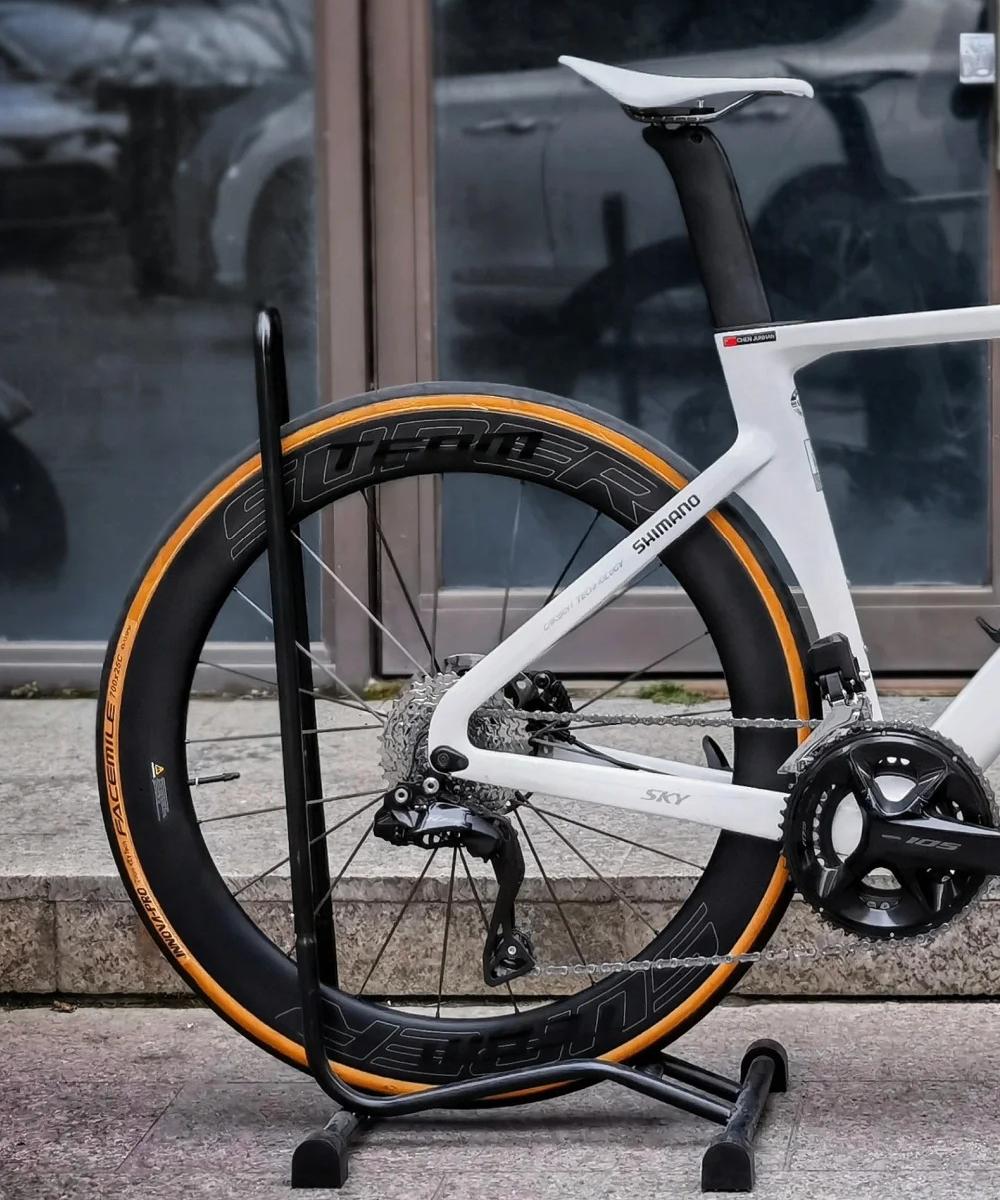
60–80mm: Deep-section rims are designed primarily for aerodynamic efficiency. They are popular among competitive cyclists, time-trial riders, and those who frequently ride on flat or rolling roads.
80–90mm and deeper: These rims are generally intended for specialized aerodynamic applications, where maintaining speed on relatively flat courses is a priority.
For most road cyclists, a 45–55mm carbon wheelset is a practical starting point because it offers versatility across different riding conditions.
However, deeper rims may be worth considering if aerodynamic performance is a higher priority than minimum weight.
2. Check the Weight of the Carbon Wheelset
Wheelset weight affects climbing performance, acceleration, and how responsive a bicycle feels during speed changes.
A lighter wheelset can make climbing and acceleration feel easier, particularly when riding on steep terrain or repeatedly changing speed.
However, weight should not be the only purchasing consideration.
For example, a lightweight climbing wheelset may sacrifice some aerodynamic advantages compared with a deeper aero wheelset. Meanwhile, a slightly heavier wheelset with a more aerodynamic rim profile may be advantageous on flatter roads.
When comparing wheelset weights, always check whether the stated weight includes:
Front and rear wheels
Freehub body
Tubeless valves
Rim tape
Accessories or other included components
A complete wheelset weight provides a more meaningful comparison than a figure measured under different conditions.
For cyclists seeking a versatile upgrade, a carbon road wheelset that balances weight, stiffness, and aerodynamics is often more practical than choosing the lightest available option.
3. Understand Rim Width and Tire Compatibility
Rim width is another important consideration because it affects tire compatibility, tire shape, and the overall wheel-and-tire system.
There are two measurements to understand:
Internal rim width: The distance between the inner walls of the rim where the tire beads sit.
External rim width: The total width measured across the outside of the rim.
A wider internal rim can support a wider tire profile, depending on tire manufacturer recommendations and the rim's approved compatibility range.
External width also matters for aerodynamic integration. Ideally, the rim and tire should be designed to work together rather than selected independently.
For modern road cycling, internal rim widths around 21–25mm are common on many road wheelsets, although specifications vary by model and intended tire size.
Before purchasing, check:
The recommended tire width.
Whether the rim supports clincher, tubeless, or both systems.
The maximum approved tire pressure.
Compatibility with your bicycle frame and fork.
Choosing the correct rim and tire combination can improve comfort, handling, and confidence on different road surfaces.
4. Evaluate Hub Quality and Engagement Mechanisms
The hub is the central component of a wheelset. It houses the bearings, supports the axle, and transfers pedaling power to the rear wheel through the freehub mechanism.
When evaluating a carbon road bike wheelset, consider three important hub characteristics.
Bearing quality
Bearings influence rotational smoothness and durability. Ceramic bearings are often marketed for their low rolling resistance, while high-quality steel bearings remain a reliable choice for many cyclists.
Actual performance depends on bearing design, manufacturing tolerances, lubrication, sealing, and maintenance.
Ratchet or pawl engagement system
The freehub engagement mechanism determines how quickly the rear hub engages when pedaling resumes.
Ratchet systems and pawl systems are both widely used. A higher engagement point count can provide more immediate engagement, but it does not automatically mean the hub is faster or more efficient.
Maintenance and replacement
A good hub should be easy to maintain, with accessible replacement parts and clear service instructions.
For long-term ownership, serviceability can be just as important as the initial specifications.
5. Compare Spoke Materials and Wheel Construction
Spokes connect the hub to the rim and contribute to wheel strength, lateral stiffness, and overall weight.
Common spoke materials include stainless steel and carbon fiber.
Stainless steel spokes
Steel spokes are widely used because they offer a well-established balance of strength, durability, and serviceability. They are also relatively easy to replace.
Carbon fiber spokes
Carbon spokes can reduce wheelset weight and offer distinctive structural characteristics. Some high-performance wheelsets use carbon spokes to optimize weight and stiffness.
However, cyclists should also consider spoke availability, replacement procedures, tension requirements, and long-term service support.
A well-designed wheelset depends on the entire structure, including rim construction, spoke arrangement, hub flange design, and spoke tension. No single component determines the overall quality of the wheel.
6. Choose the Correct Braking System
Before purchasing a carbon road bike wheelset, confirm whether your bicycle uses disc brakes or rim brakes.
Disc brake wheelsets
Disc brake wheels are designed for bicycles with disc brake systems. They commonly use Center Lock or six-bolt rotor mounting systems, depending on the hub.
Axle compatibility is also important. Check whether your bicycle requires 12×100mm front and 12×142mm rear thru-axles or another configuration.
Rim brake wheelsets
Rim brake wheels require a braking surface designed specifically for rim braking. Carbon rim brake models may have different braking requirements from aluminum braking surfaces.
Do not assume that a disc brake wheelset can be used with a rim brake bicycle or vice versa.
Always confirm the frame, fork, axle, and brake compatibility before ordering.
7. Consider Your Budget and Brand Reputation
Carbon road wheelsets are available across a wide range of prices. A higher price does not automatically guarantee a better fit for every cyclist.
When comparing brands, look beyond marketing descriptions and examine:
Published weight and rim dimensions
Carbon rim construction
Hub specifications
Spoke materials
Warranty coverage
Replacement parts availability
Quality control and product testing
Customer support
For cyclists seeking performance without entering the highest premium price category, brands such as Superteam Wheels provide carbon road wheelset options worth comparing.
Superteam Wheels focuses on carbon fiber wheelsets for road cycling and offers different rim depths, configurations, and component combinations for different riding preferences.
When comparing a Superteam wheelset with alternatives, evaluate the actual specifications and intended riding conditions rather than relying solely on price or advertised weight.
8. Which Carbon Road Bike Wheelset Is Best for You?
The right wheelset depends on how and where you ride.
| Riding style | Suggested rim depth | Main priority |
|---|---|---|
| Climbing | 30–40mm | Low weight |
| All-around road cycling | 40–50mm | Balanced performance |
| Road racing | 45–60mm | Aerodynamics and responsiveness |
| Flat-road riding | 50–70mm | Aerodynamic efficiency |
| Time trials | 60–90mm+ | Aerodynamic performance |
These are general selection guidelines rather than strict rules. Rider weight, wind conditions, course characteristics, and tire selection can all influence the ideal setup.
Frequently Asked Questions
Q1: What is the best rim depth for a carbon road bike wheelset?
For most road cyclists, 45–55mm is a versatile choice. It offers a balance of aerodynamic performance, weight, and handling. Climbers may prefer shallower rims, while riders focused on flat-road speed may choose deeper profiles.
Q2: Are carbon road bike wheels worth the investment?
Carbon wheels can provide aerodynamic advantages, weight savings, and different stiffness characteristics compared with many conventional aluminum wheelsets. Whether they are worth the investment depends on riding frequency, performance goals, and budget.
Q3: Are deeper carbon wheels always faster?
No. Deeper rims can reduce aerodynamic drag under suitable conditions, but actual performance depends on rim shape, tire integration, wind direction, rider speed, and handling characteristics.
Q4: Should I choose carbon spokes or steel spokes?
Carbon spokes can help reduce weight and provide specific stiffness characteristics. Steel spokes offer familiar maintenance and replacement options. The better choice depends on your priorities and the manufacturer's wheel design.
Q5: What tire width should I use with carbon road wheels?
Many modern road wheelsets are designed around tires in the 25–32mm range, but the correct choice depends on the rim's internal width, manufacturer recommendations, frame clearance, and riding conditions.
Final Thoughts
Choosing the best carbon road bike wheelset requires more than comparing prices or looking for the lowest weight.
Rim depth, wheelset weight, internal width, hub design, spoke construction, braking compatibility, and warranty support all contribute to the overall value of a wheelset.
For most cyclists, an all-around carbon wheelset with a 40–55mm rim depth is a sensible starting point. However, riders with specific goals should prioritize the characteristics that matter most to their riding style.
Explore the carbon road bike wheelset range from Superteam Wheels and compare the specifications to find a configuration that matches your bicycle and performance goals.