


How to Balance Wheel Aerodynamics with Durability
When selecting a wheelset for road cycling, one of the most common trade-offs riders face is between aerodynamics and durability. High-performance wheels often chase aerodynamic efficiency, but this can sometimes come at the expense of long-term robustness. Striking the right balance depends on riding goals, terrain, and usage. Here's how to make a smart decision:
1. Understand the Aerodynamic Priorities
Aerodynamic wheels reduce drag, particularly at high speeds or during solo efforts. Features that improve aerodynamics include:
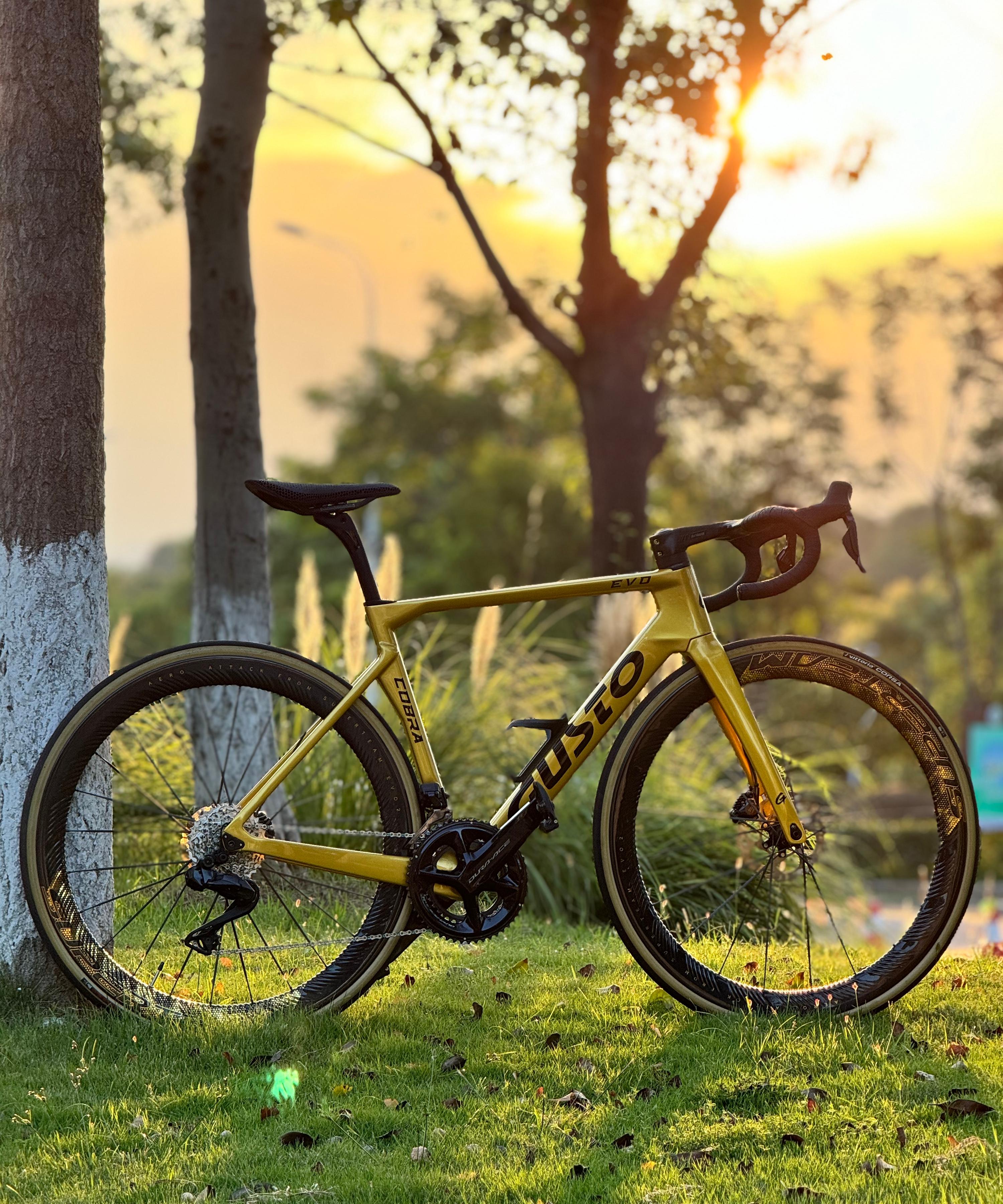
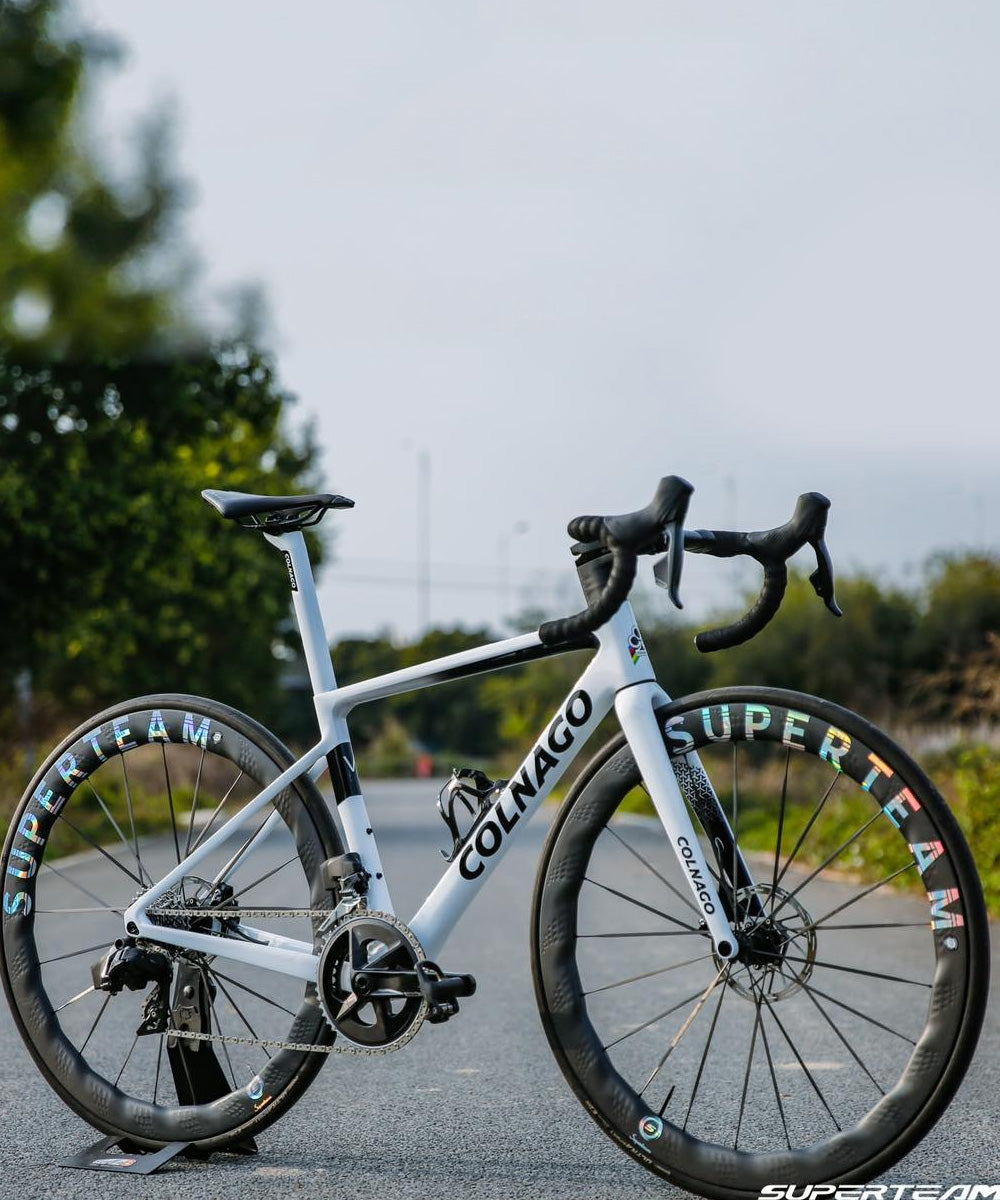
Deeper rim profiles (50mm and above) that smooth airflow.
Narrower external widths in some designs, though wider rims are now standard for better tire integration.
Fewer spokes and bladed spoke profiles.
Hidden or internal nipples to minimize surface turbulence.
These features are great for time trials, triathlons, and fast group rides, where every watt counts. But they often add complexity or compromise strength.
2. Know Where Durability Matters
Durability becomes critical if:
You ride frequently on rough roads or gravel.
You're a heavier rider or carry gear (e.g., bikepacking).
You want minimal maintenance over thousands of kilometers.
Durable wheels tend to feature:
Lower rim depths (35mm or less), which flex more and absorb impacts better.
Higher spoke counts for even tension and redundancy.
Thicker or reinforced carbon layups, which can add weight but improve lifespan.
External nipples, making truing easier over time.
3. The Trade-Off: Weight vs Strength vs Aero
Deep carbon wheels can be light and aero—but their sidewalls are thinner, and the crosswind stability can be compromised. On the flip side, strong, shallow rims with more spokes offer long-term resilience but create more drag.
Some brands now offer hybrid designs:
Asymmetric rims to balance spoke tension.
Front-rear specific setups, like deep front and shallower rear to reduce crosswind sensitivity and maintain strength.
4. Match Wheels to Purpose
|
Use Case |
Recommended Setup |
|
Long alpine climbs |
Lightweight, shallow rim (30-40mm) |
|
All-weather commuting |
Mid-depth (35-45mm), tubeless, more spokes |
|
Fast group rides |
50-60mm deep carbon, focus on aero |
|
Mixed terrain/gravel |
30-40mm carbon/alloy, wide internal width |
|
Race-only use |
Deep section aero wheels with optimized hubs |
5. Don’t Overlook Maintenance and Repair
Aerodynamic wheels often use proprietary parts—bladed spokes, internal nipples, or molded fairings. These can be hard to service or replace in remote areas. If you're balancing for reliability, go with easily sourced parts and modular hub systems.
Conclusion
The best wheelset isn’t just the most aerodynamic or the toughest—it’s the one that suits your riding style and conditions. Consider how often you ride, where you ride, and how much performance vs longevity matters to you. With today’s options, it's increasingly possible to get a wheelset that offers a strong blend of both speed and strength.