


How Crosswinds Affect Stability: Lessons from Coastal Rides
Few riding environments test a cyclist’s nerve like the coast. Long stretches of open road, unpredictable gusts, and shifting wind angles turn even flat terrain into a test of skill and control. While headwinds and tailwinds are easy to anticipate, crosswinds are the true challenge—they can unsettle handling, sap energy, and shake confidence, especially when using deep-section wheels. Understanding how crosswinds affect stability is key to maintaining control and efficiency on every coastal ride.
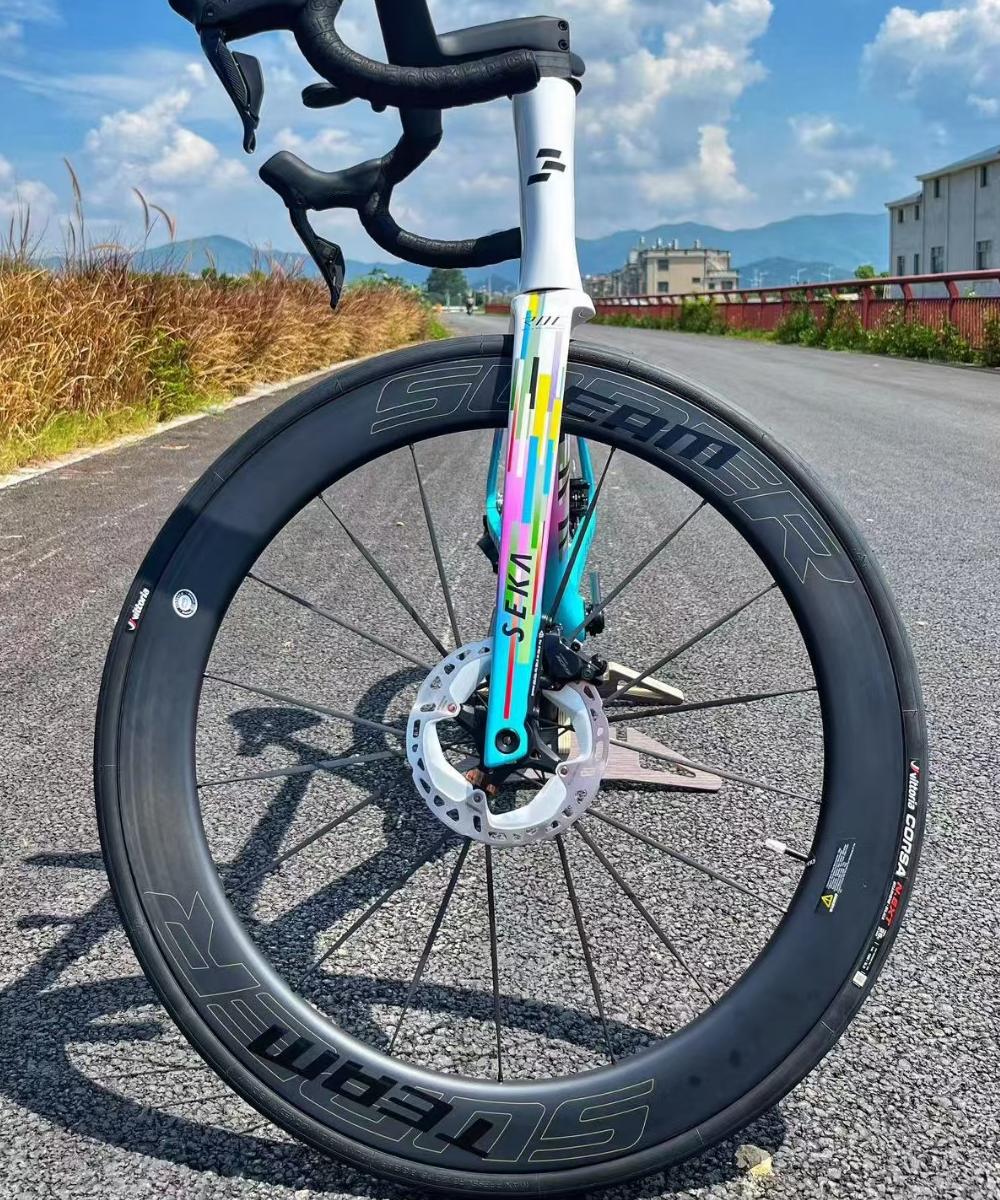
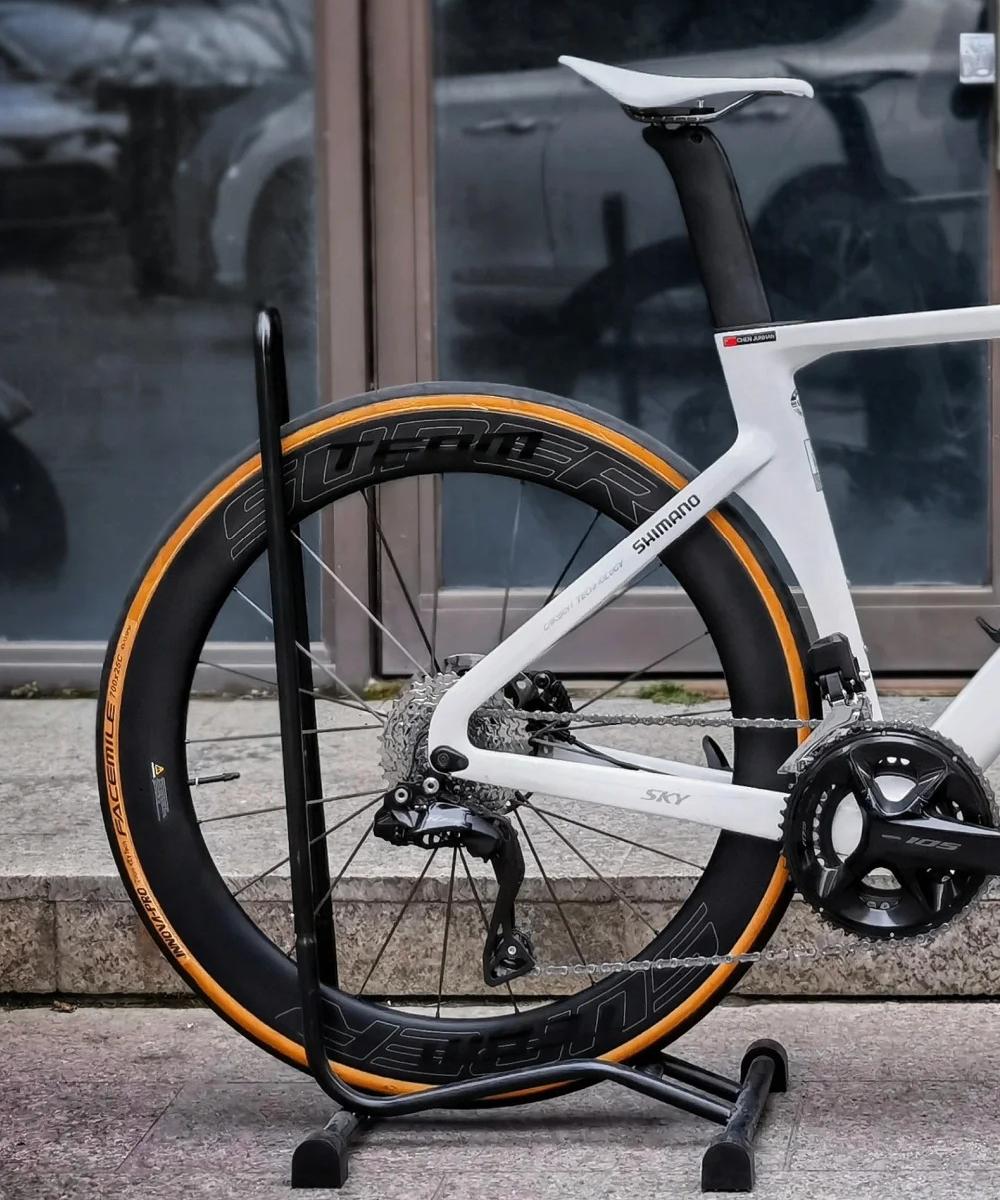
Crosswinds interact directly with a wheel’s aerodynamic profile. Deep rims—typically 50mm and above—catch more wind due to their larger surface area, effectively acting like a sail. When a gust hits from the side, it generates lateral pressure on the wheel, causing the bike to yaw or lean unexpectedly. At high speeds, even small gusts can require quick steering corrections, making the ride feel twitchy and unstable.
However, not all crosswind effects are negative. In controlled conditions, a steady crosswind can actually improve aerodynamics. When airflow strikes the rim at an optimal yaw angle (often between 10° and 15°), it can create a small lift effect that reduces drag. This is one reason why aerodynamic testing includes sidewind simulations—because real-world performance isn’t just about head-on airflow. The problem arises when gusts become unpredictable, changing direction or strength in an instant.
Rim depth and shape determine how your wheel responds to these forces. Traditional V-shaped rims tend to be more sensitive to crosswinds, while modern U-shaped or toroidal profiles distribute pressure more evenly, improving stability. Many professional riders in windy races—such as the Tour of Qatar or coastal stages of the Vuelta a España—choose mid-depth wheels (35–45mm) to strike a balance between aerodynamic benefit and manageable handling.
Rim width and tire selection also matter. Wider rims paired with 28mm or 30mm tires create a more stable air transition, reducing the side force that pushes the wheel off-line. Lower tire pressures further help by increasing surface contact and traction, giving riders more confidence when leaning into gusts.
Rider positioning is another critical factor. Keeping your upper body relaxed, elbows slightly bent, and weight centered over the bike allows for micro-adjustments that absorb sudden wind shifts. Gripping the handlebars too tightly or fighting the gusts directly tends to amplify instability. Skilled riders often angle their bikes slightly into the wind, creating a natural counterbalance that keeps the bike tracking straight.
Disc brakes have also improved confidence in crosswinds by allowing more precise speed control without the rim heating issues of older brake tracks. Being able to modulate braking smoothly helps riders maintain stability when descending coastal cliffs or entering open bridges where crosswinds can be strongest.
Ultimately, wheel choice remains the most effective way to manage crosswind stability. If your regular rides include exposed coastal routes or wide open plains, consider shallower or mid-depth rims (30–45mm) for predictable handling. For flatter inland terrain or light breezes, deeper rims can still deliver aerodynamic speed without major compromise.
Coastal rides remind us that aerodynamics isn’t just about speed—it’s about control. The best equipment and technique work together to turn unpredictable winds into manageable challenges. When you understand how your wheels interact with the elements, even the windiest seaside roads become an opportunity to ride smoother, steadier, and more confidently than ever.