


Gravel Racing Pitfalls: Rim Damage From Aggressive Braking
Gravel racing exposes riders and equipment to intense stresses, and one of the most common causes of carbon rim damage is aggressive braking. Unlike paved roads, gravel surfaces require more frequent and sometimes prolonged braking to maintain control on loose, uneven terrain. When braking force exceeds the rim’s tolerance, it can lead to overheating, abrasion, or even structural damage.
On rim-brake carbon wheels, sustained or heavy braking generates significant heat at the brake track. Excessive temperatures can soften the resin, reduce friction efficiency, and in extreme cases, cause surface blistering or delamination. Riders who descend long gravel sections at high speed often underestimate the cumulative effect of repeated braking, especially when combined with loose grit that embeds into brake pads and abrades the rim surface.
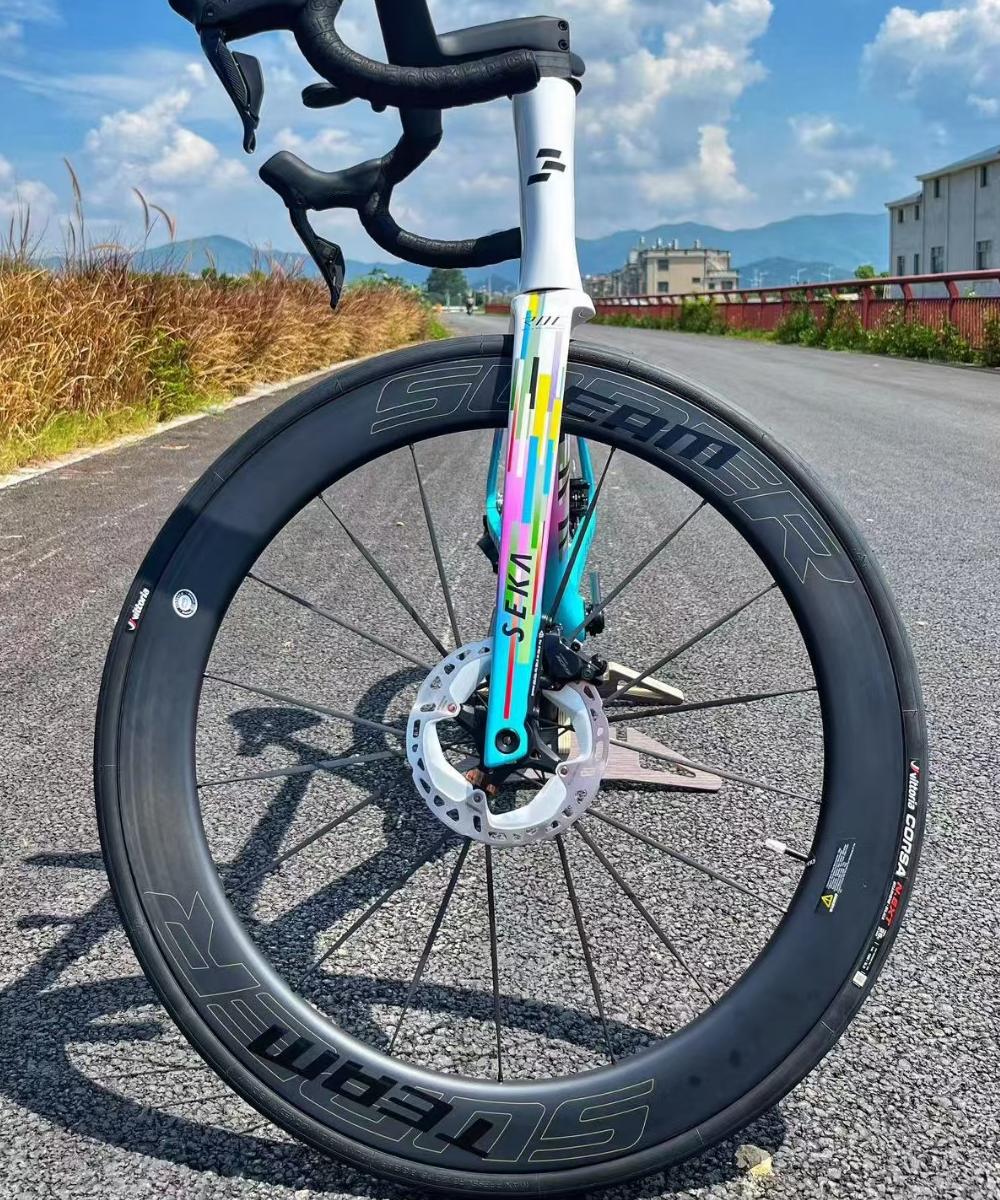
Impact from aggressive braking is another factor. On sharp corners or technical descents, heavy braking can transfer lateral forces directly to the rim sidewalls. Over time, this can create micro-cracks, weaken the structure, and reduce the wheel’s lifespan. Even disc brake systems are not completely immune; sudden, harsh stops can stress the rim, spokes, and hub interfaces.
Environmental conditions exacerbate these risks. Wet or muddy surfaces increase braking distance, prompting riders to apply more force for longer periods. Loose gravel and debris further abrade braking surfaces, accelerating wear and heat buildup.
Preventing rim damage requires a combination of equipment choice and riding technique. Selecting rims designed for high-temperature braking, using gravel-specific brake pads, and moderating braking style by applying controlled, pulsed pressure rather than constant force can reduce stress. Additionally, maintaining appropriate tire pressure helps absorb terrain impacts, lowering the force transmitted to the rim.
In gravel racing, aggressive braking is often necessary, but without awareness, it can significantly compromise rim integrity. By understanding the risks and adopting proactive strategies, riders can preserve wheel performance, extend rim life, and maintain control in challenging off-road conditions.