

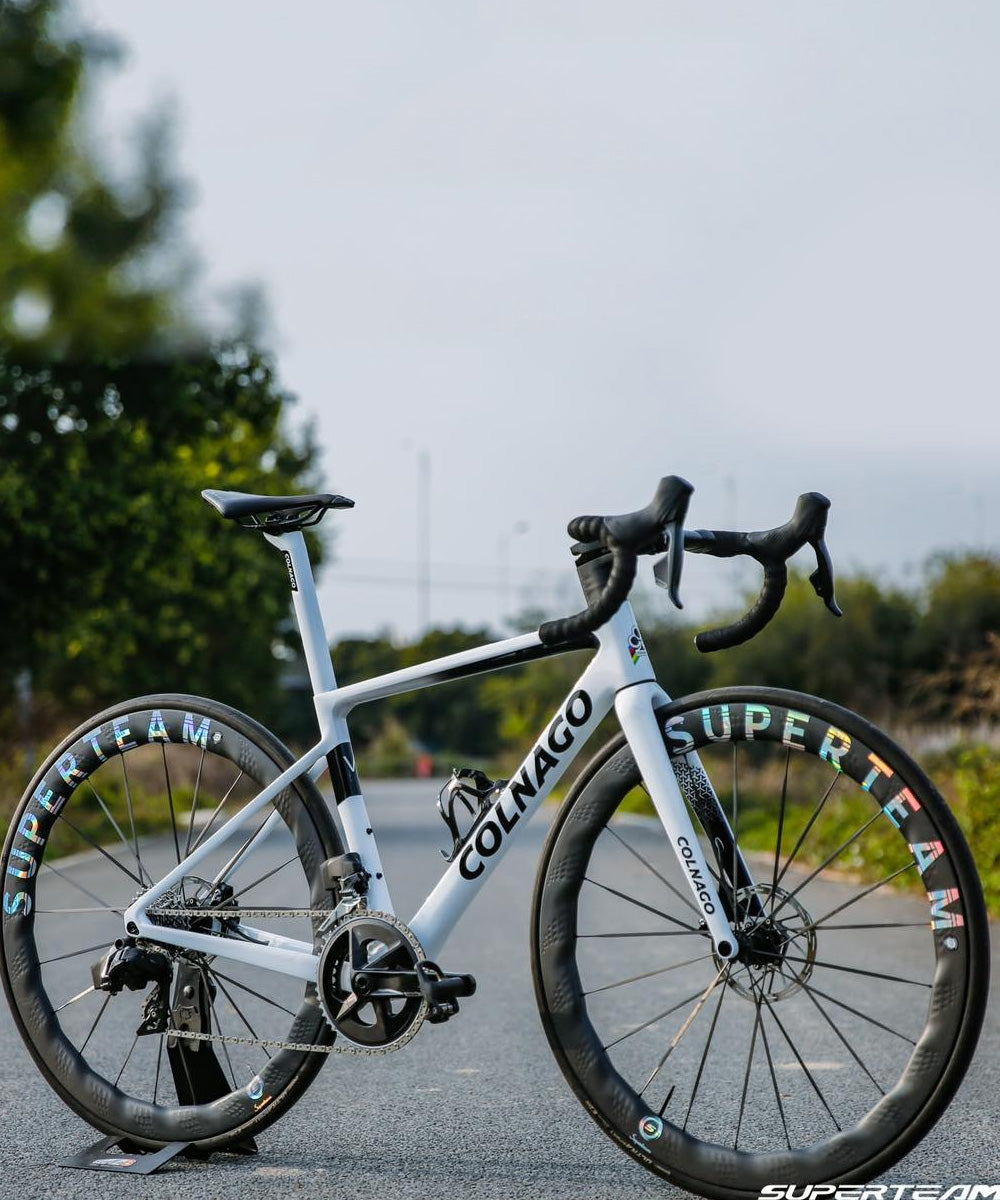


Disc Wheel Bike Comparison: Flat Courses vs Rolling Terrain
Disc wheels are a popular choice for time trials and triathlons due to their aerodynamic advantages, stiffness, and improved power transfer. However, their performance benefits vary depending on the type of terrain. Understanding how disc wheels behave on flat versus rolling courses can help riders choose the right setup for maximum efficiency and control.
Performance on Flat Courses
On flat courses, disc wheels provide their greatest aerodynamic advantage. The solid surface reduces drag and allows the rider to maintain higher speeds with less effort. For long, straight sections, a full carbon disc rear wheel paired with a deep-section front wheel minimizes turbulence and maximizes efficiency. The consistent surface and steady pace of flat terrain complement the disc wheel’s design, making it easier to hold an aerodynamic position and sustain top-end speed.
Performance on Rolling Terrain
Rolling terrain introduces frequent accelerations, short climbs, and occasional descents, which change the dynamics of riding. Disc wheels are heavier than traditional spoked wheels, so repeated efforts to accelerate out of corners or up hills can feel more demanding. On undulating terrain, deep-section wheels or a hybrid setup (disc rear, deep-section front) often provide a better balance of aerodynamics and maneuverability. Riders maintain faster average speeds without sacrificing handling or responsiveness.
Handling and Crosswinds
Disc wheels are more affected by crosswinds than traditional or deep-section spoked wheels. On flat, open courses, crosswind stability is usually manageable if the rider is experienced and maintains proper body positioning. On rolling terrain, especially with sudden gusts in valleys or over ridges, handling can become challenging. Deep-section front wheels are generally preferred in these conditions because they are easier to control while still providing aerodynamic benefits.
Power Transfer and Stiffness
Both flat and rolling terrain benefit from the stiffness of disc wheels, which improves power transfer from the rider to the road. On flat courses, the rider can exploit this stiffness fully, maintaining a constant, efficient pedaling stroke. On rolling terrain, stiffness helps in sprints and short climbs, though heavier weight and reduced acceleration may limit efficiency if frequent bursts are required.
Setup Considerations
Riders often adjust tire choice and pressure depending on terrain. Flat courses favor narrower, high-pressure tires for minimal rolling resistance. Rolling terrain may benefit from slightly wider tires at moderate pressure to improve traction, comfort, and control on descents or rough surfaces. Tubeless setups can enhance performance in both scenarios by allowing lower pressures without risking pinch flats.
Conclusion
Disc wheels excel on flat courses by reducing drag, increasing speed, and providing efficient power transfer. On rolling terrain, their heavier weight and sensitivity to crosswinds can reduce acceleration and handling efficiency. Many riders choose a hybrid approach—disc rear wheel with a deep-section front—to combine aerodynamic advantage with better control. Selecting the right disc wheel setup depends on course profile, wind conditions, and the rider’s strengths, ensuring the best performance in each racing scenario.