
Choosing Carbon Wheels for Winter Cycling: What Features Matter Most?
Choosing Carbon Wheels for Winter Cycling
Carbon wheels for winter cycling can be a worthwhile upgrade for riders who want to maintain their training routine throughout the colder months. Although winter conditions may not always be ideal for high-speed riding, a well-selected carbon wheelset can still provide a responsive riding experience, aerodynamic efficiency, and a balance of weight and stiffness.
However, choosing winter wheels is slightly different from choosing a wheelset primarily for summer racing. Road conditions, tire compatibility, braking performance, durability, and maintenance requirements become more important when temperatures drop, and weather becomes unpredictable.
Instead of choosing a wheelset based only on weight or rim depth, winter cyclists should consider how the wheels will perform in their typical riding environment.
1. Choose a Rim Depth That Matches Your Winter Routes
Rim depth influences aerodynamic performance, weight, handling characteristics, and the way a wheel responds to crosswinds.
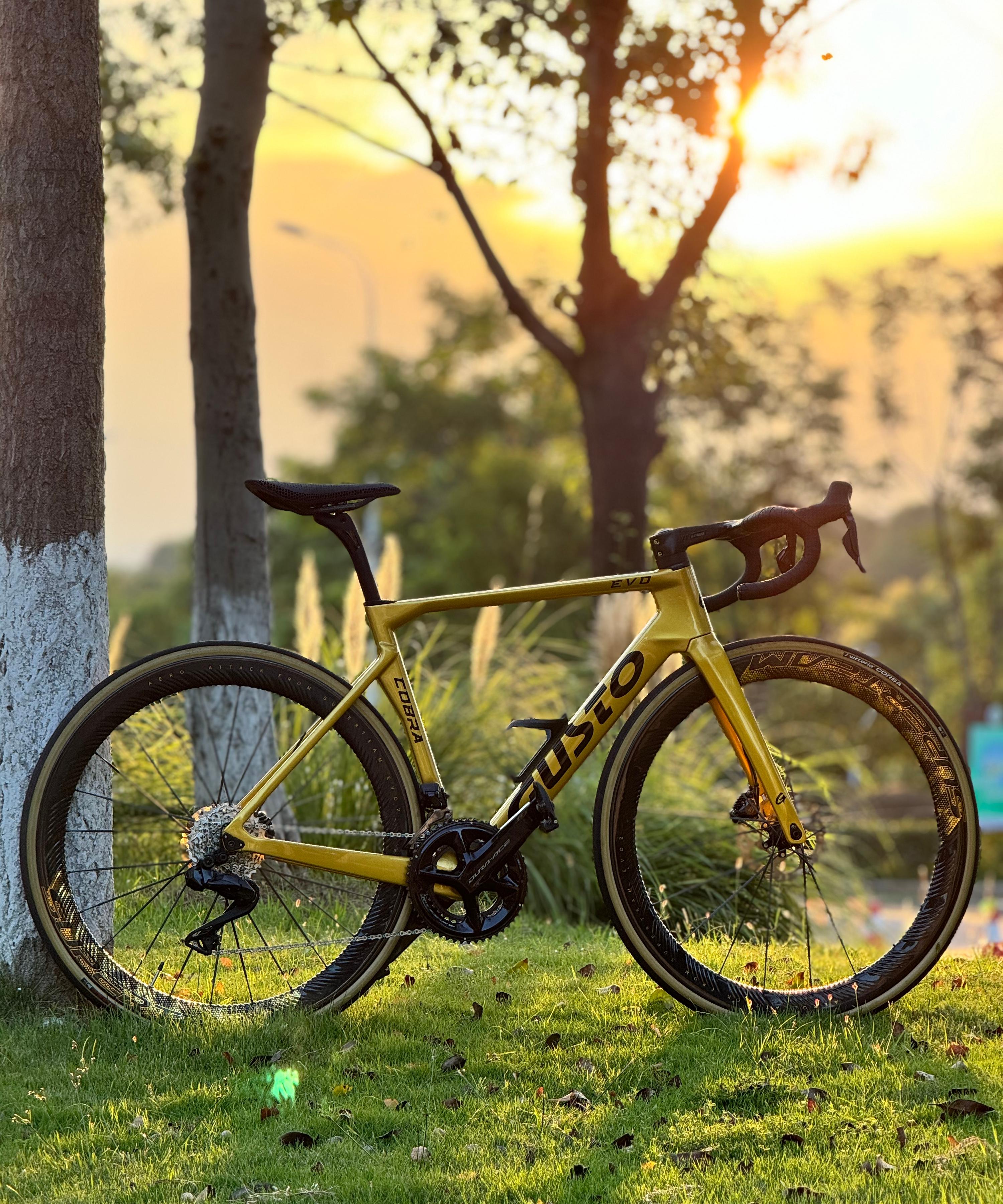
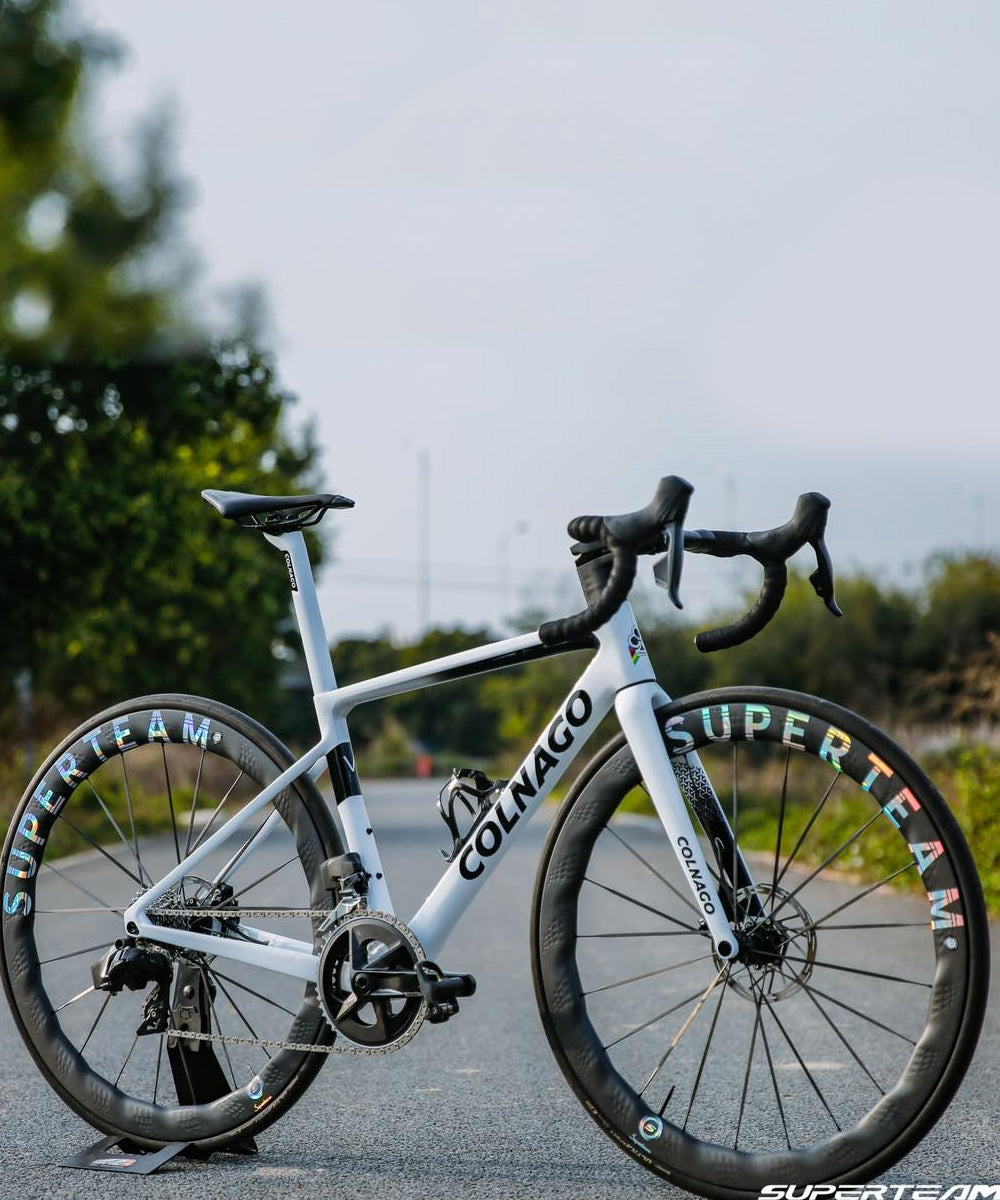
Deep-section carbon wheels are popular among road cyclists because they can offer aerodynamic benefits at higher speeds. However, winter routes may include exposed roads, strong winds, wet surfaces, and unpredictable weather.
For riders who regularly train on open roads, a moderate rim depth may provide a practical balance between aerodynamic performance and handling. It can still offer useful aerodynamic characteristics without necessarily prioritizing maximum depth.
Shallower rims may also be attractive to cyclists who ride in mountainous areas, where climbing, descending, and changing wind conditions are frequent.
There is no universal best rim depth for winter. The right choice depends on average riding speed, route elevation, wind exposure, and personal preference.
2. Consider Wider Rims and Tire Compatibility
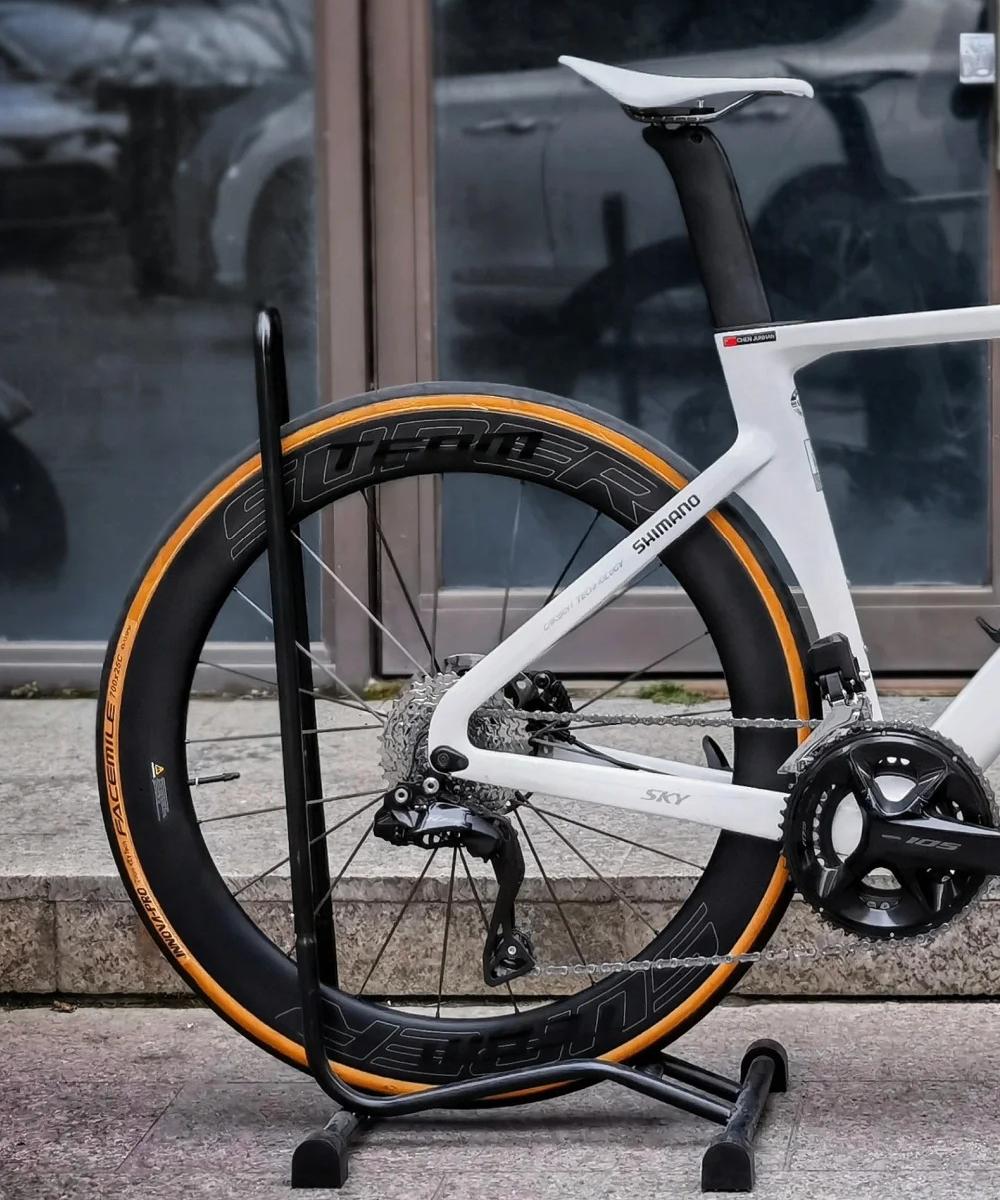
Tire selection is especially important during winter. Wet pavement, rough roads, and occasional debris may make wider tires attractive for additional comfort and a more forgiving riding experience.
When choosing a carbon wheelset, check the internal rim width and the tire sizes recommended by the manufacturer.
A wider internal rim may support wider tires, depending on the rim design and compatibility requirements. Wider tires can allow riders to use lower pressures within approved limits, potentially improving comfort and handling on rough surfaces.
However, tire width should not be selected independently of the bicycle. Frame and fork clearance, brake clearance, actual tire dimensions, and wheel specifications all need to be considered.
A winter wheelset should ideally provide enough flexibility for the tire setup you prefer without compromising compatibility.
3. Disc Brake or Rim Brake?
The braking system is one of the most important factors when selecting carbon wheels for winter cycling.
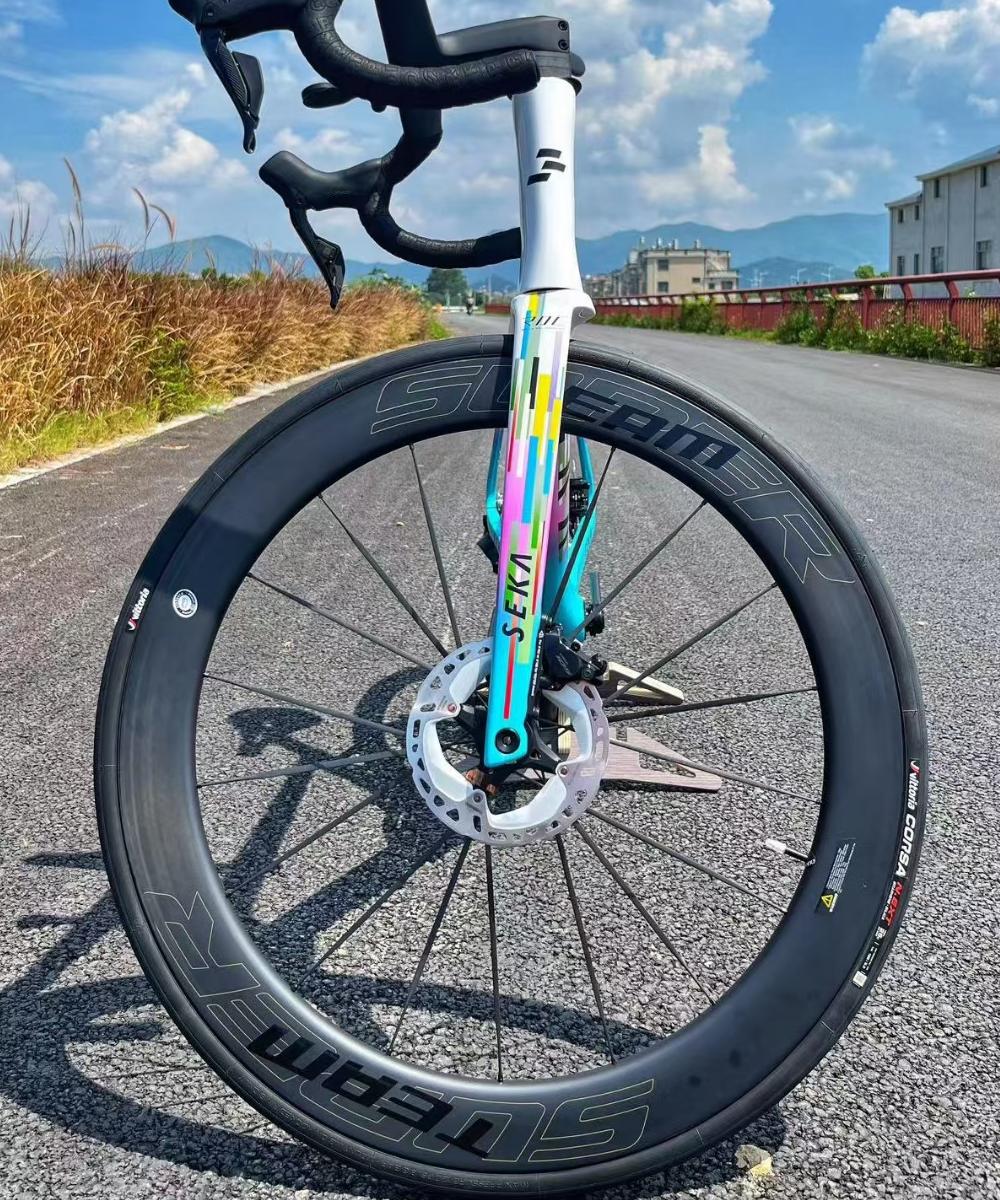
Disc-brake wheelsets are often preferred by cyclists who ride frequently in wet weather. Because braking occurs at the rotor rather than directly on the rim, the carbon rim does not serve as the braking surface. This allows the rim design to focus on other characteristics, including aerodynamics, weight, and structural requirements.
Disc brakes can provide reliable braking under a wide range of conditions, but their performance still depends on properly maintained rotors, brake pads, hydraulic or mechanical systems, and available tire grip.
Rim-brake carbon wheels remain a viable option for riders whose bicycles use rim brakes. However, wet-weather braking requires additional attention to compatible brake pads, braking surface condition, and stopping distance.
Before buying a winter wheelset, make sure it matches your bicycle's brake system and axle standards.
4. Prioritize Practical Weight and Durability
A lightweight wheelset can improve acceleration and make climbing feel more responsive. For riders who continue structured training during winter, these characteristics may remain valuable.
However, winter roads can be less predictable. Potholes, road debris, uneven surfaces, and hidden obstacles may increase the risk of wheel damage.
A wheelset designed exclusively around minimum weight may not be the ideal choice for every winter rider. Instead, look for a balanced design that combines weight, structural quality, spoke configuration, rim construction, and the manufacturer's intended usage.
A few grams of difference may matter less in winter than confidence in the wheelset's construction and the ability to use an appropriate tire.
5. Look for Reliable Hub and Bearing Design
The hub is another important component to consider when purchasing winter wheels.
Winter riding often exposes the bicycle to moisture, dirt, and road contamination. The hub's bearing system, sealing design, freehub mechanism, and ease of maintenance can influence long-term reliability.
Before purchasing, review the hub specifications and consider whether replacement parts and maintenance support are available.
A reliable hub system with appropriate maintenance can help keep the wheelset performing consistently throughout the year. Riders who frequently train in wet conditions should periodically inspect bearings and freehub operation rather than waiting until problems become noticeable.
6. Think About Maintenance Before Buying
Winter cycling naturally increases the amount of cleaning and inspection required. A wheelset that is easy to inspect and maintain may be more convenient for everyday training.
Look for a design that allows you to check the rim, spokes, hub, and tire condition without unnecessary difficulty. If you ride on roads treated with salt, regular cleaning is particularly important for metal components.
Carbon rims do not rust, but the wheelset contains other parts that may be affected by moisture, dirt, and corrosion.
Choosing a wheelset with suitable components and a straightforward maintenance routine can help protect your investment.
7. Should You Buy Carbon Wheels for Winter Training?
Carbon wheels can be an excellent option for cyclists who ride year-round and want to maintain the performance characteristics of their road bike throughout winter.
A practical winter carbon wheelset should offer a suitable rim depth, compatible tire width, reliable braking, dependable hubs, and construction appropriate for the roads you regularly ride.
You do not necessarily need a separate winter wheelset if your existing carbon wheels meet these requirements. However, riders who frequently encounter poor road conditions, heavy rain, road salt, or rough surfaces may prefer a dedicated training wheelset.
Final Thoughts
The best carbon wheels for winter cycling are not necessarily the lightest or deepest models. They are the wheelsets that provide the right balance of aerodynamic efficiency, comfort, handling, braking, and durability for your riding conditions.
By considering tire compatibility, rim depth, brake system, hub quality, and maintenance requirements, cyclists can make a more informed decision and enjoy consistent training throughout the winter season.
Carbon wheels can remain a valuable performance upgrade in colder months. With the right setup and sensible riding habits, winter does not have to mean putting your carbon wheelset away until spring.