

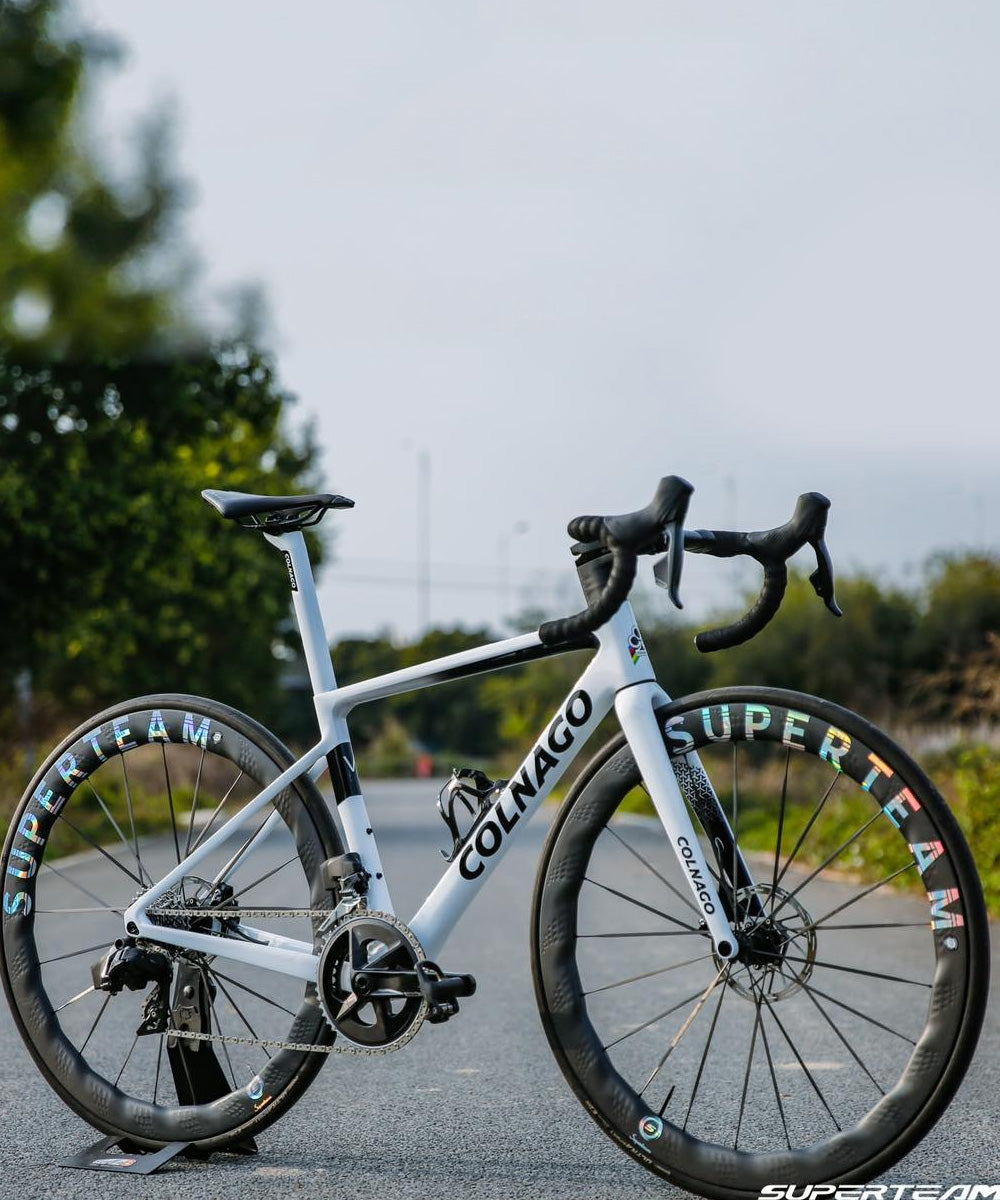


700c vs 650b Gravel Bike Rims: Which Size Fits Your Riding Style?
Choosing between 700c and 650b gravel bike rims is one of the most important decisions for shaping how your bike feels on different terrain. Each size offers unique advantages, and understanding the differences will help you pick the rim that best matches your speed, comfort expectations, and adventure goals. This guide explains how each size performs and which riding style benefits most from 700c or 650b rims.
700c gravel rims are the preferred choice for riders who prioritize speed, efficiency, and covering long distances. With a larger diameter, 700c wheels roll over obstacles more smoothly and maintain momentum better on hardpack, pavement, and fast gravel. This makes them ideal for endurance rides, gravel racing, and mixed-terrain routes with long stretches of smoother surfaces. Paired with 38–45mm tires, 700c rims deliver fast rolling performance without sacrificing stability, making them the go-to option for riders who want to maximize efficiency.
650b gravel rims, in contrast, cater to riders who value comfort, traction, and control on rough or technical terrain. The smaller diameter allows for much wider tires—typically 47mm to 2.1 inches—creating a high-volume setup that absorbs bumps and vibrations far better than narrower 700c tires. This extra volume provides superior grip on loose gravel, muddy stretches, and rocky trails, making 650b rims ideal for bikepacking, adventure riding, and off-road routes where the terrain is unpredictable and demanding.
Rim size also influences overall ride feel. 700c setups tend to feel faster and more responsive, especially when climbing or accelerating. Riders who enjoy covering long distances efficiently or participating in gravel races often prefer this energetic ride character. Meanwhile, 650b setups feel more planted and cushioned, offering a smoother ride that reduces fatigue over rough terrain. This makes them particularly appealing for riders who spend hours on backcountry trails or tackle technical descents where confidence and control matter most.
Tire choice is another key factor. Wider tires on 650b rims can run at lower pressures without risk of pinch flats when using tubeless, delivering exceptional traction and comfort. Narrower 700c tires, while not as cushioned, roll faster on compact surfaces and offer a more aerodynamic profile—an advantage for endurance and competitive riders. The rim size you choose should align with the tire volume you prefer and the surfaces you ride most often.
Bike geometry also plays a role. Some gravel frames are optimized for 700c wheels, while others accommodate both sizes. Riders who want maximum speed and a traditional gravel feel usually stick with 700c. Those who want a more “mountain bike–like” feel with boosted comfort and control will appreciate 650b wheels, especially when loaded with bikepacking gear.
In summary, 700c rims are best for riders who prioritize speed, efficiency, and long-distance performance on smoother gravel and mixed surfaces. 650b rims shine for riders who tackle rough terrain, seek extra comfort, or need maximum traction and stability for adventure riding or bikepacking. Your ideal rim size depends on your preferred terrain, riding goals, and the overall feel you want from your gravel bike. Choosing the right size will help you ride farther, faster, or more comfortably—whichever matters most to you.